Outdoor Living Privacy and Shade Checklist for Patios and Porches
Aug 19,2026 | Snowcity

Outdoor living feels more useful when you can choose how open or sheltered the space should be. This outdoor living privacy and shade checklist helps you plan a patio, porch, pergola, or hot-tub area around the conditions you actually have: sightlines, moving sun, openings, wind, and seasonal care. Use it before buying a fixed screen, shade structure, or set of curtains.
Outdoor Living Privacy and Shade Checklist
- Identify the views you want to block and the views you want to keep.
- Track where direct sun lands during the hours you use the space.
- Measure each opening, including the mounting area and clearance for hardware.
- Decide whether you need a fixed barrier or an adjustable panel.
- Plan for wind, rain exposure, cleaning, and off-season storage.
These decisions work together. A screen that solves one neighbor-facing view may make a small patio feel enclosed; a shade solution that works at noon may not help with low-angle afternoon sun. Start with the problems, then choose the simplest setup that can address them.
1. Do a Privacy Audit First
Stand and sit in the places you use most: at the table, on the lounge chair, near the grill, or in the hot tub. Look outward from each position. Note which openings face a neighbor, street, walkway, or second-story window, and whether the view matters all day or only at certain times.
Also mark the views you do not want to lose. A flexible panel can be opened when the space is quiet and closed when you need a visual screen. That is often a better fit than a permanent wall for pergolas, covered porches, or patio corners with changing needs. For more buying considerations, see the Outdoor Curtain FAQ.
2. Map Sun and Shade Through the Day
Check the space in the morning, around midday, and later in the afternoon. Record where glare reaches seats, where the surface becomes uncomfortable, and which side receives low-angle sun. Existing roofs, trees, umbrellas, and pergola slats may already provide partial shade, but their coverage changes with the season and time of day.
Outdoor curtains can add an adjustable side layer for glare and visual comfort. They are not a promise of complete blackout outdoors, and gaps, light-colored fabric, and reflected light can still let light into the area. If sun management is the main goal, compare your setup with this outdoor sun protection guide.
3. Choose Curtains When Flexibility Matters
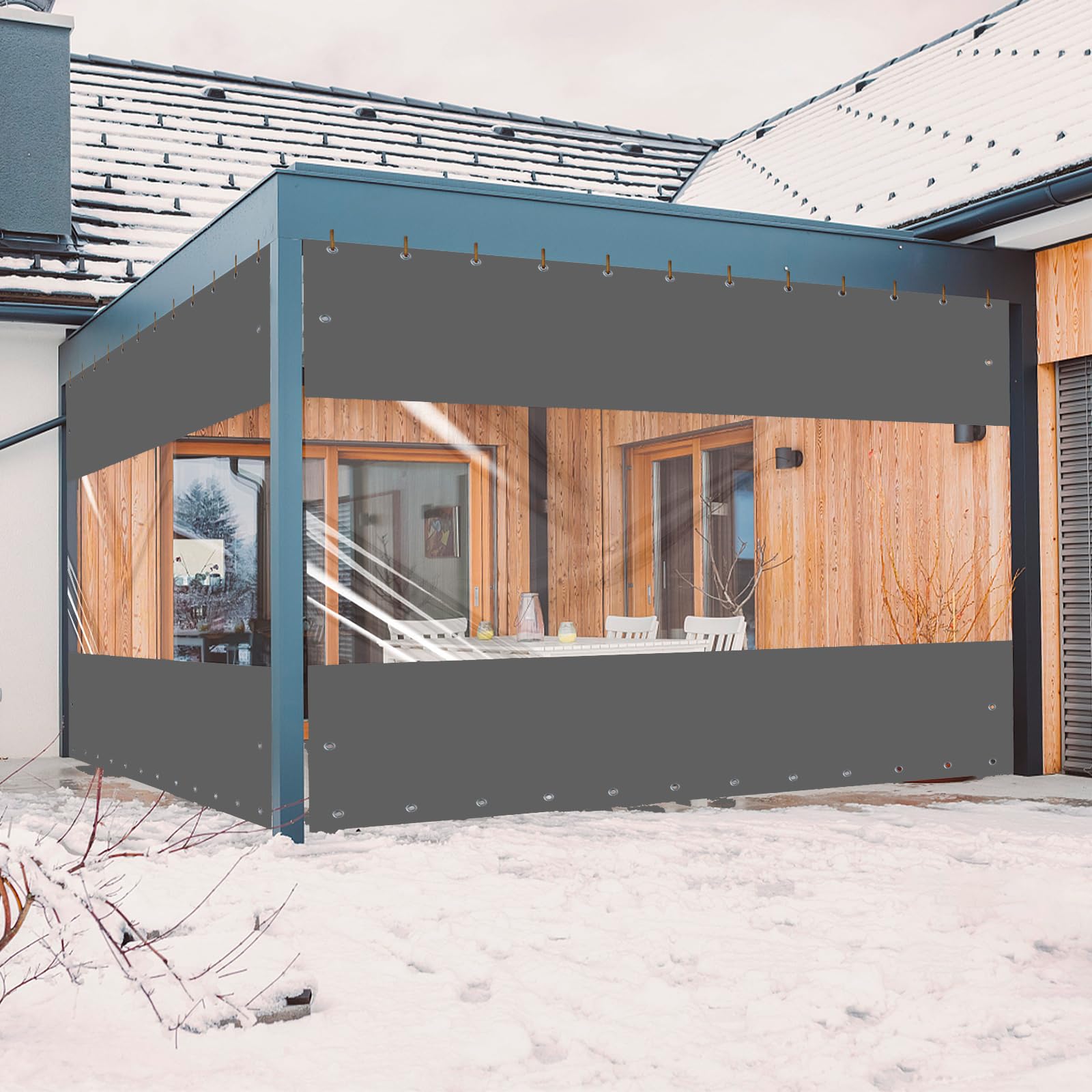
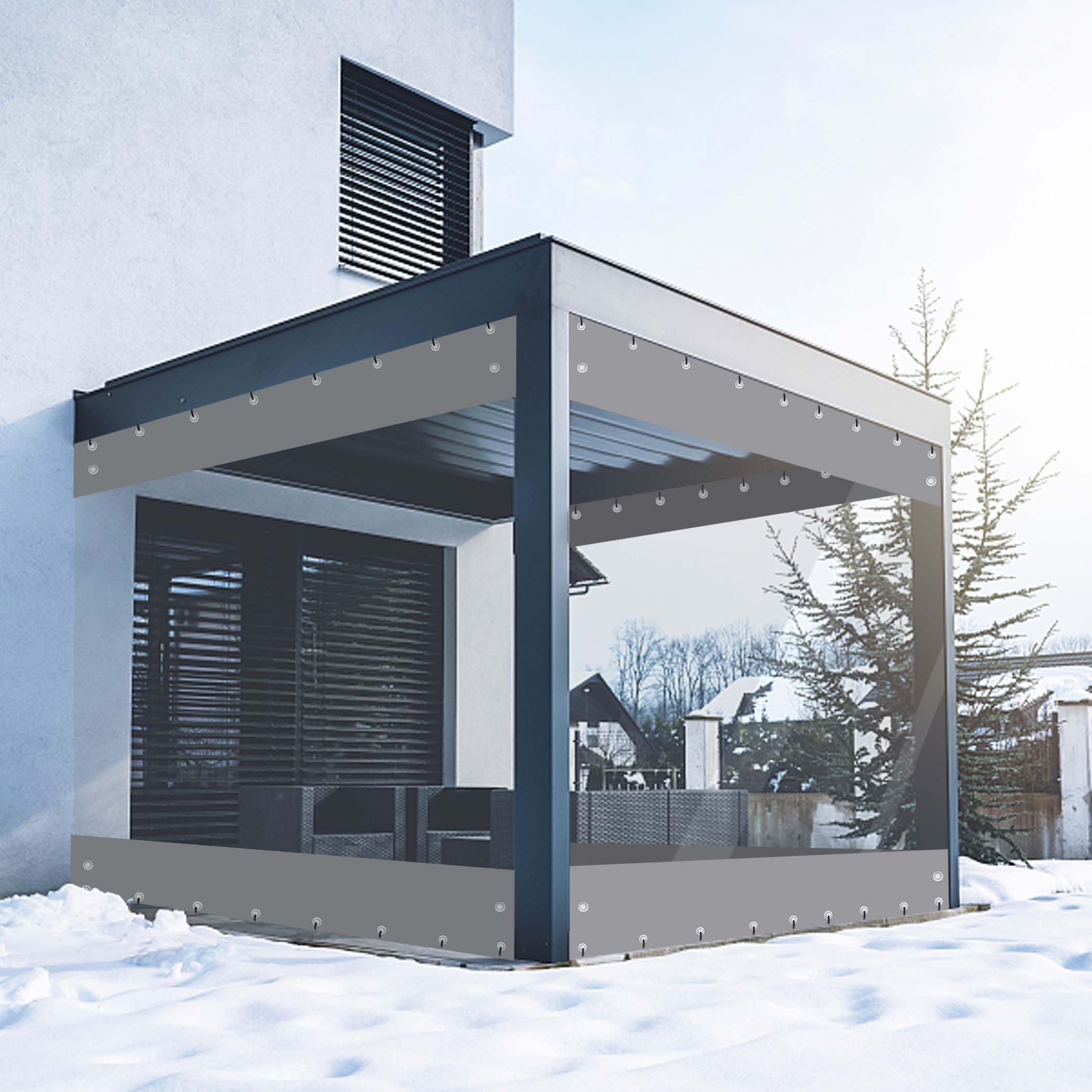
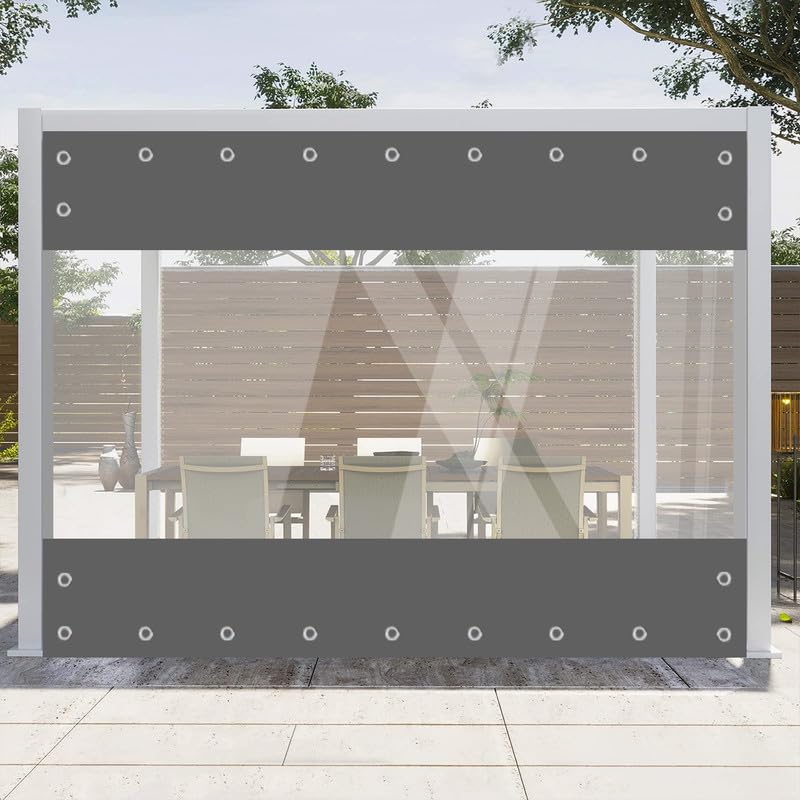
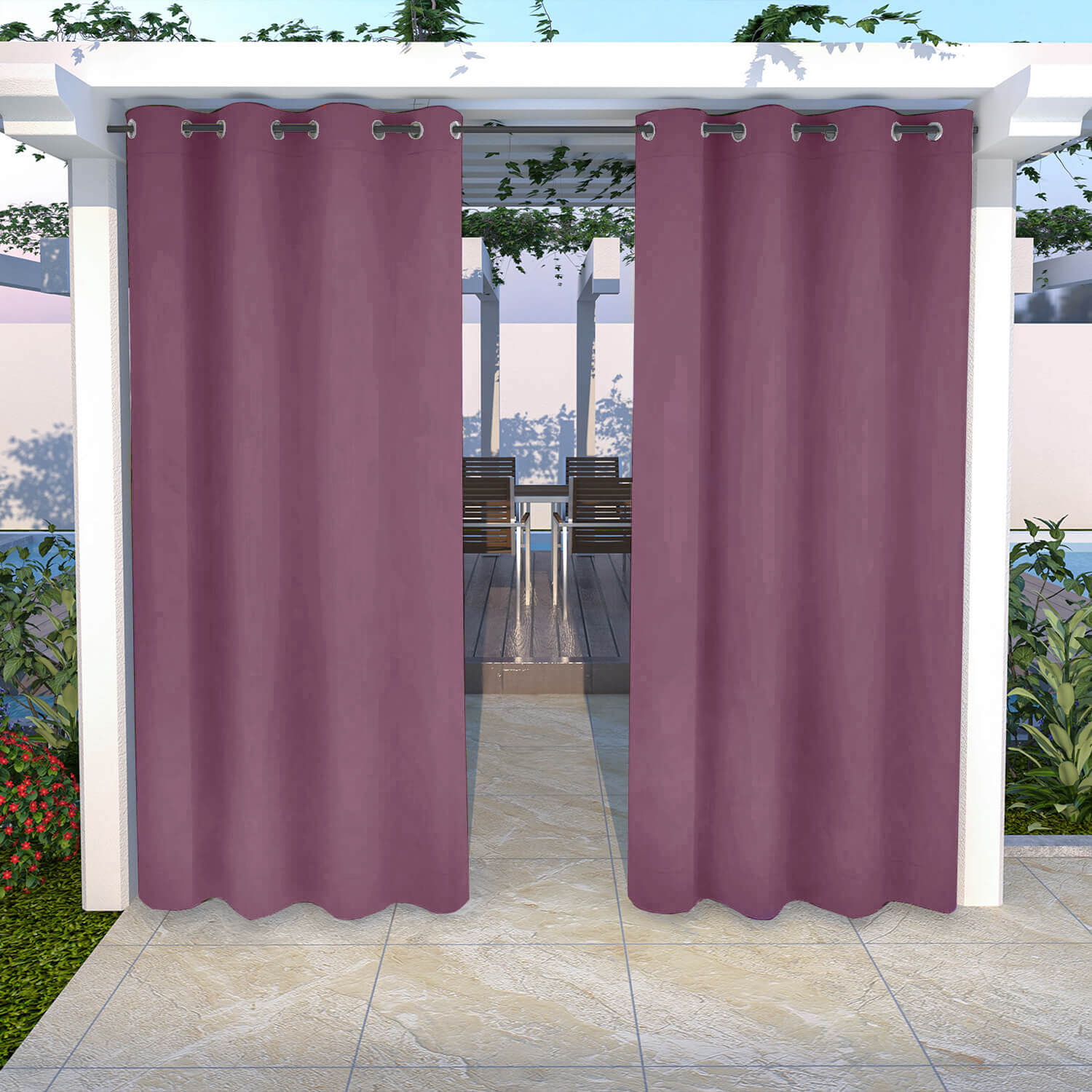
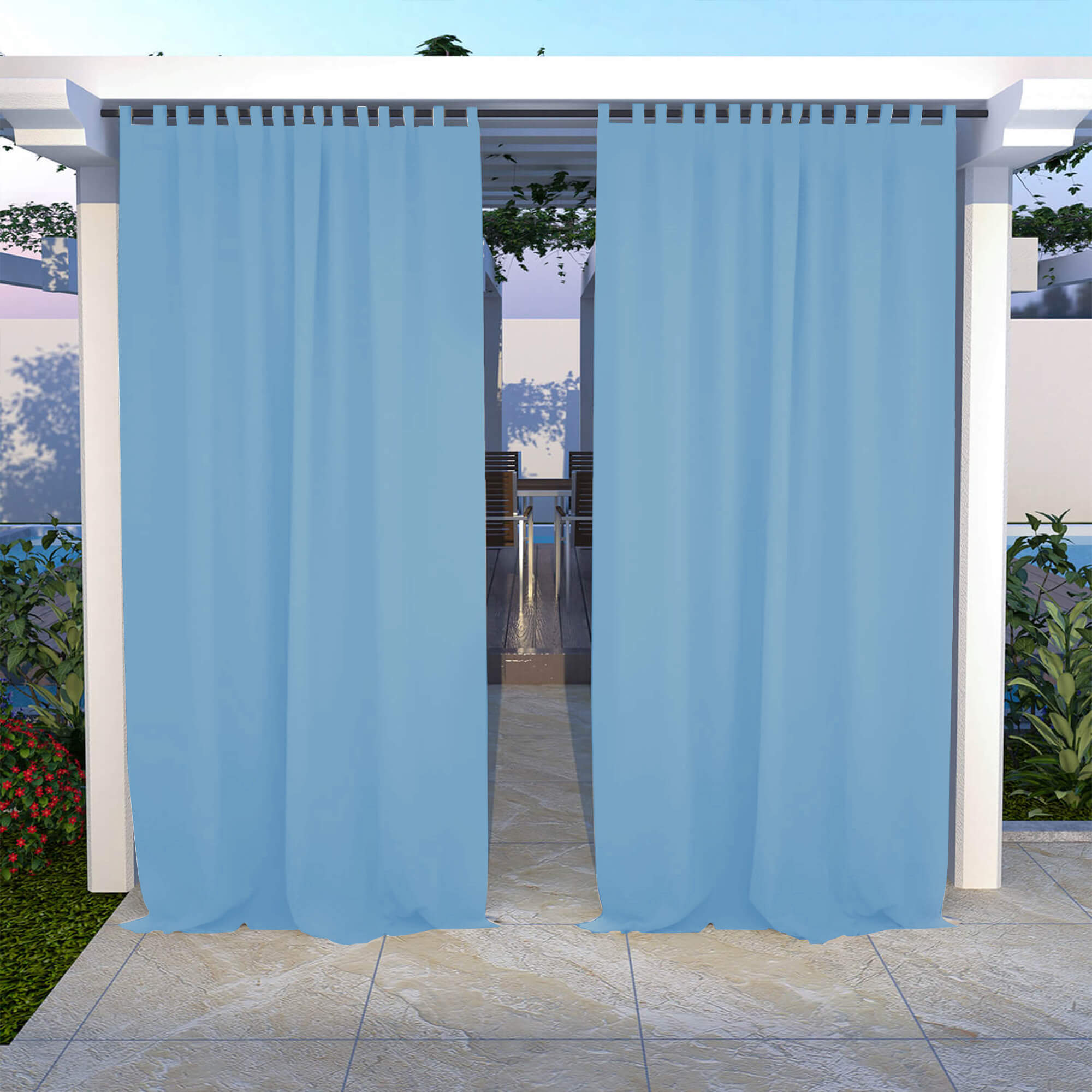
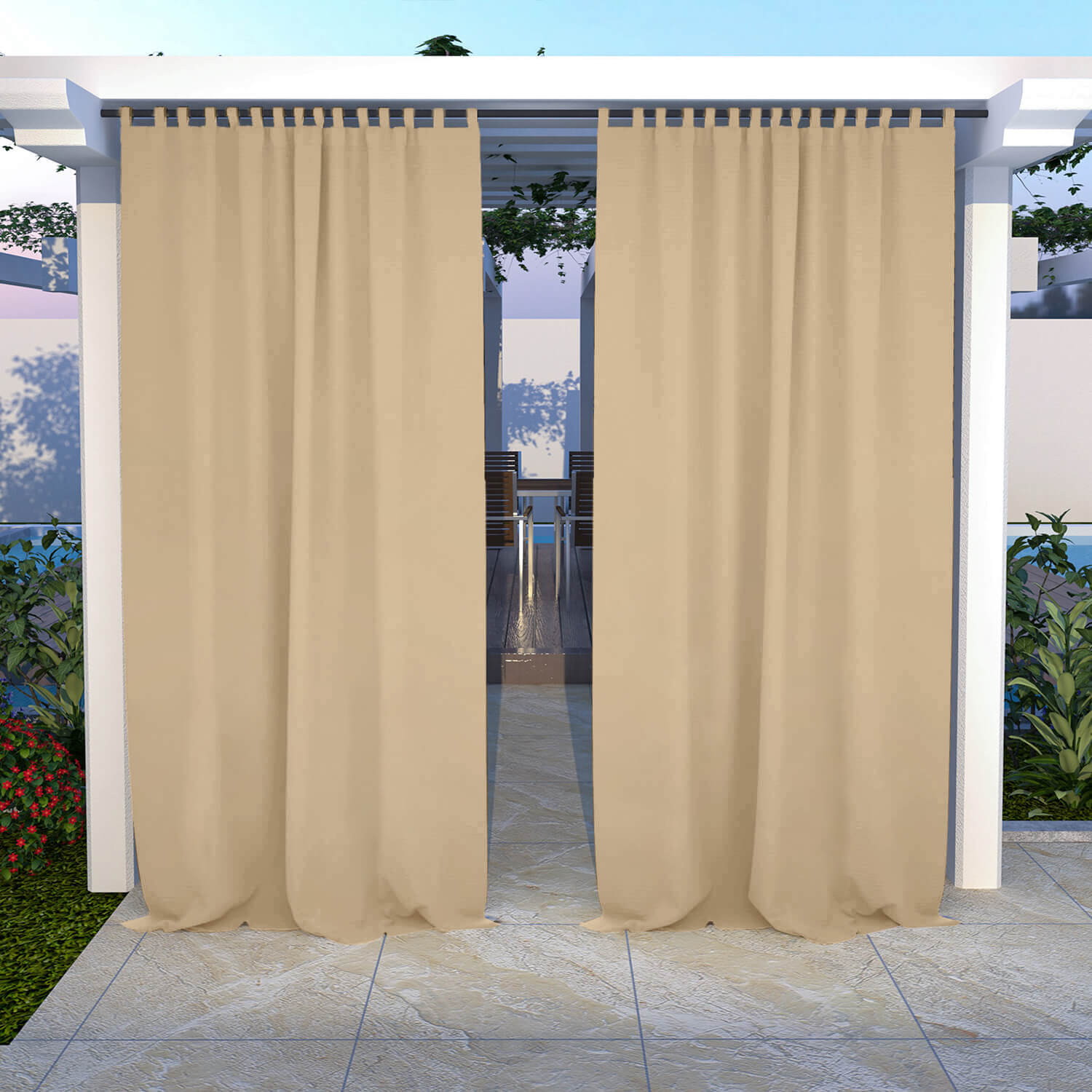
Fixed screens work well when an opening should remain covered all the time. Curtains are useful when you want to change the enclosure: draw them for privacy, stack them back for airflow or a view, or secure them temporarily during use. They can work alongside a roof, shade sail, or umbrella rather than replacing every other shade solution.
For a patio with one exposed side, a curtain panel may be enough. For a larger pergola, plan separate panels for separate openings so you can adjust the side facing the sun or the side facing a nearby property. Browse the Snowcity Outdoor Curtains collection after deciding which openings need coverage.
4. Measure the Curtain Opening, Not Just the Patio
Measure the width and height of every opening at the exact place where the rod, track, or hooks will be installed. Check that the mounting surface is structurally suitable and that doors, railings, lights, and furniture will still clear the panel. If the curtain will be tied back, leave space for the stacked fabric.
- Width: record the full span between mounting points and allow the panel to cover the opening when closed.
- Height: measure from the installed hardware to the preferred lower edge, keeping the fabric clear of standing water and heavy abrasion.
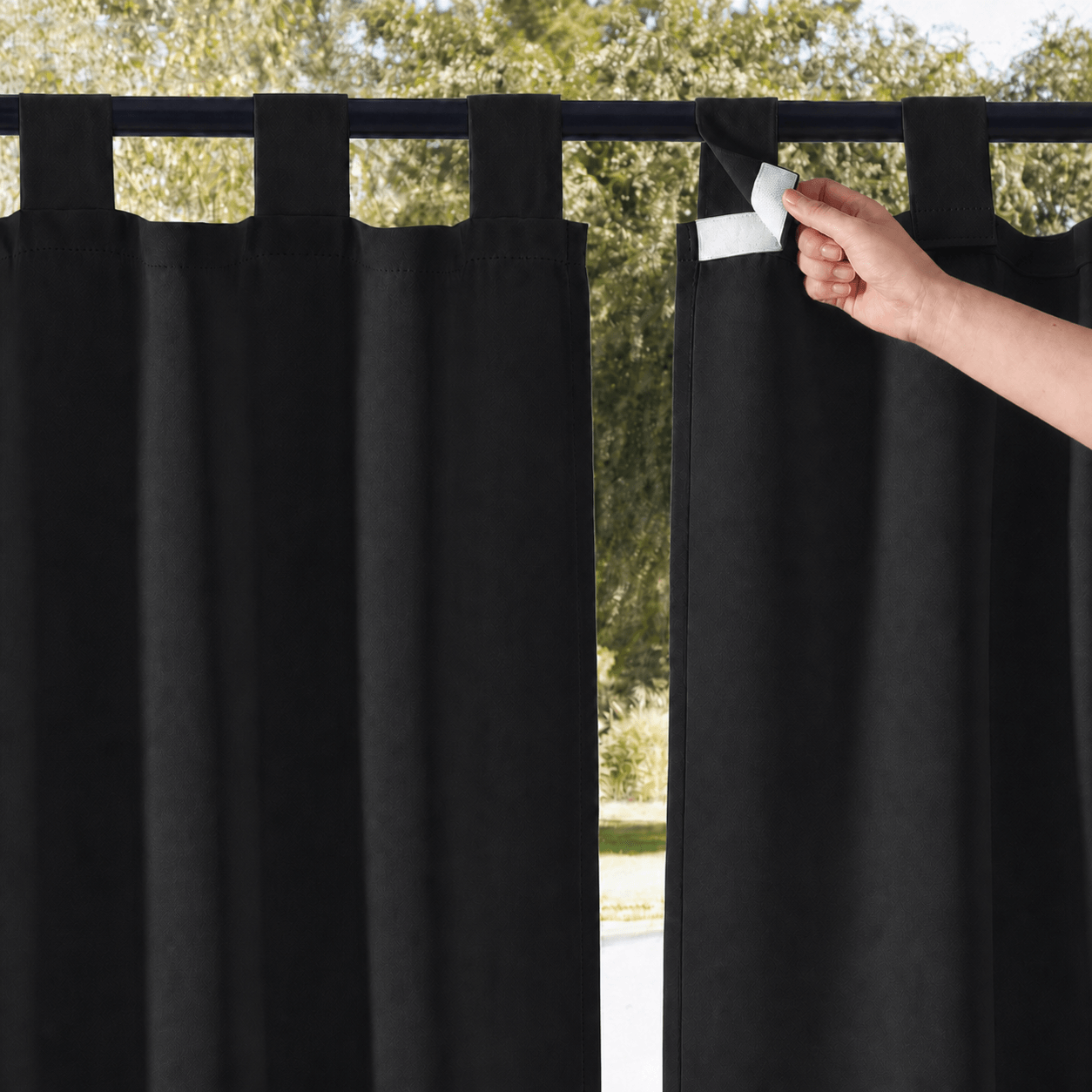
- Hardware: match the header style to a rod, wire, hooks, or track rated for the panel weight and your mounting surface.
- Operation: confirm where the panel will stack and how it will be tied back or secured.
Use the step-by-step patio curtain size guide when you are ready to turn those notes into a panel plan.
5. Add a Wind, Rain, and Care Check
Fabric panels should not be treated as a rigid wind barrier. In gusty conditions, secure them according to the hardware and product instructions, or open and tie them back when that is safer for the setup. Keep the mounting hardware in good condition and inspect it after severe weather.
Outdoor fabric can get wet and dirty. Let panels dry before prolonged storage, remove loose debris, and follow the care label for cleaning. A roof or cover can reduce direct exposure, but it does not eliminate moisture, splashing, or wind-driven rain. Seasonal checks help you notice worn tiebacks, loose hooks, or dirt trapped at the hem before they become bigger problems.
6. Make a Simple Product Plan
Before ordering, write down the opening measurements, mounting method, desired panel placement, and the hours when privacy or shade matters most. Then choose an outdoor curtain option that fits the location and the level of adjustability you need. A clear plan avoids treating one product as the answer to every weather or privacy issue.
Use this checklist, then choose Snowcity outdoor curtains for flexible shade and privacy. Start with the Outdoor Curtains collection to compare options for your patio or porch.
Frequently Asked Questions
What should I solve first: privacy or shade?
Start with the issue that limits how you use the space most often. A quick audit of sightlines and sun at different hours will show whether a visual screen, glare control, or both should take priority.
Are outdoor curtains better than fixed screens?
They are better when you want adjustable coverage and the ability to open the space again. Fixed screens may suit locations that need permanent enclosure. The best choice depends on the opening, local conditions, and how you use the area.
Can outdoor curtains handle rain and wind?
They can be part of an outdoor setup, but they should not be assumed to provide complete weather protection. Follow the product and hardware instructions, secure or tie back panels in adverse conditions as appropriate, and allow them to dry before storage.
Comment