Best Patio Furniture Covers for Winter: What to Look For
The best patio furniture cover for winter is not simply the heaviest-looking option. A useful cover fits the furniture, can be secured as intended, and is used alongside ordinary seasonal care. It can help keep leaves, dirt, and routine weather exposure off an item, but it cannot turn outdoor furniture into indoor storage or eliminate storm risk.

Start with the job a winter cover needs to do
Winter conditions vary widely. In one location, the main concerns may be rain and wind; in another, snow, freeze-thaw cycles, salt air, or long stretches of damp weather may matter more. Before comparing covers, decide whether you need to cover a table, chair set, sofa, grill, or a grouped arrangement. Then measure it in the position it will be stored.
A cover should match the furniture's dimensions without hanging so loosely that it catches wind or forms deep pockets. Use the product's size chart and fastening instructions rather than assuming a universal size will work.
Water-resistant and waterproof are not the same promise
Water-resistant materials are designed to resist some exposure, while a product described as waterproof may be intended to block water under specific conditions. Neither label alone explains how a cover will perform when it is poorly fitted, holding pooled water, damaged, or left loose during severe weather. Read the listing, care instructions, and exclusions before relying on a cover for a particular climate.
It is also sensible to avoid trapping moisture under a cover. Put it on only after the furniture, cushions, and frames are reasonably clean and dry. If rain gets underneath or condensation develops, uncover and allow the area to dry when conditions permit.
Fit and wind control are practical buying criteria
Look for a shape that follows the furniture you actually own and a securing method that you can use correctly. Depending on the cover, this might include straps, buckles, drawcords, or ties. Check where the fasteners will sit and whether they can be reached without forcing the cover over sharp corners.
- Measure the longest, widest, and tallest points of the stored arrangement.
- Compare those measurements with the cover diagram, not only the product name.
- Choose enough room to place the cover without strain, but avoid excessive slack.
- Follow local weather advice and remove or secure loose items before high winds.
No fabric cover is a substitute for storm preparation. In a severe forecast, follow the furniture maker's instructions and consider moving smaller pieces to a protected location if that is safe and practical.
Why airflow and drainage deserve attention
A winter cover works better when water has a path to run off instead of sitting in broad, low areas. Adjust the furniture arrangement where appropriate so the cover does not sag over a flat surface. Avoid placing a cover over standing water or saturated cushions, and inspect it after weather events for pooling, tears, or shifted fasteners.
Vent panels, if included by the manufacturer, may help with air movement, but they are not a guarantee against condensation. The practical goal is to reduce trapped moisture, not to seal an outdoor setup completely.
Clean before you cover
Remove loose dirt, leaves, pollen, and food residue before long-term covering. Use the furniture maker's cleaning guidance for the frame, tabletop, and cushions. Let every surface dry before fitting the cover. This simple step makes it easier to notice damage and avoids enclosing moisture and debris for months.
Our cleaning and storage guide shares the same seasonal principle for outdoor textiles: clean, dry, and store according to the product instructions. For help comparing dimensions, see the patio furniture cover size guide.
Build a realistic winter routine
Check covered furniture periodically, especially after a long storm or a windy week. Brush off loose debris, make sure fasteners remain in place, and address pooled water promptly where it is safe to do so. If a cover is torn or cannot be secured, it may no longer offer the fit or protection you expected.
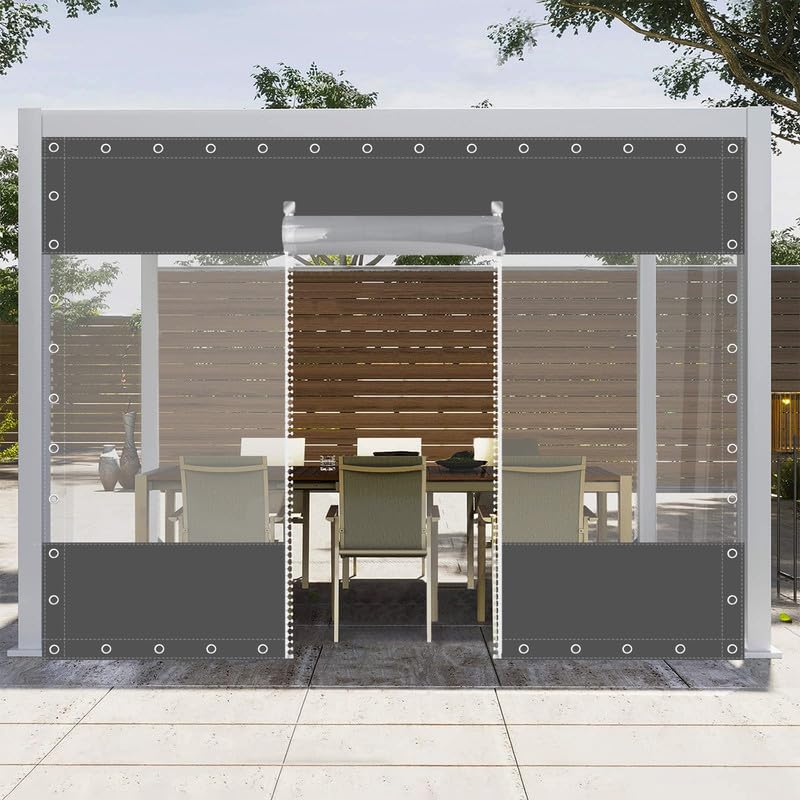
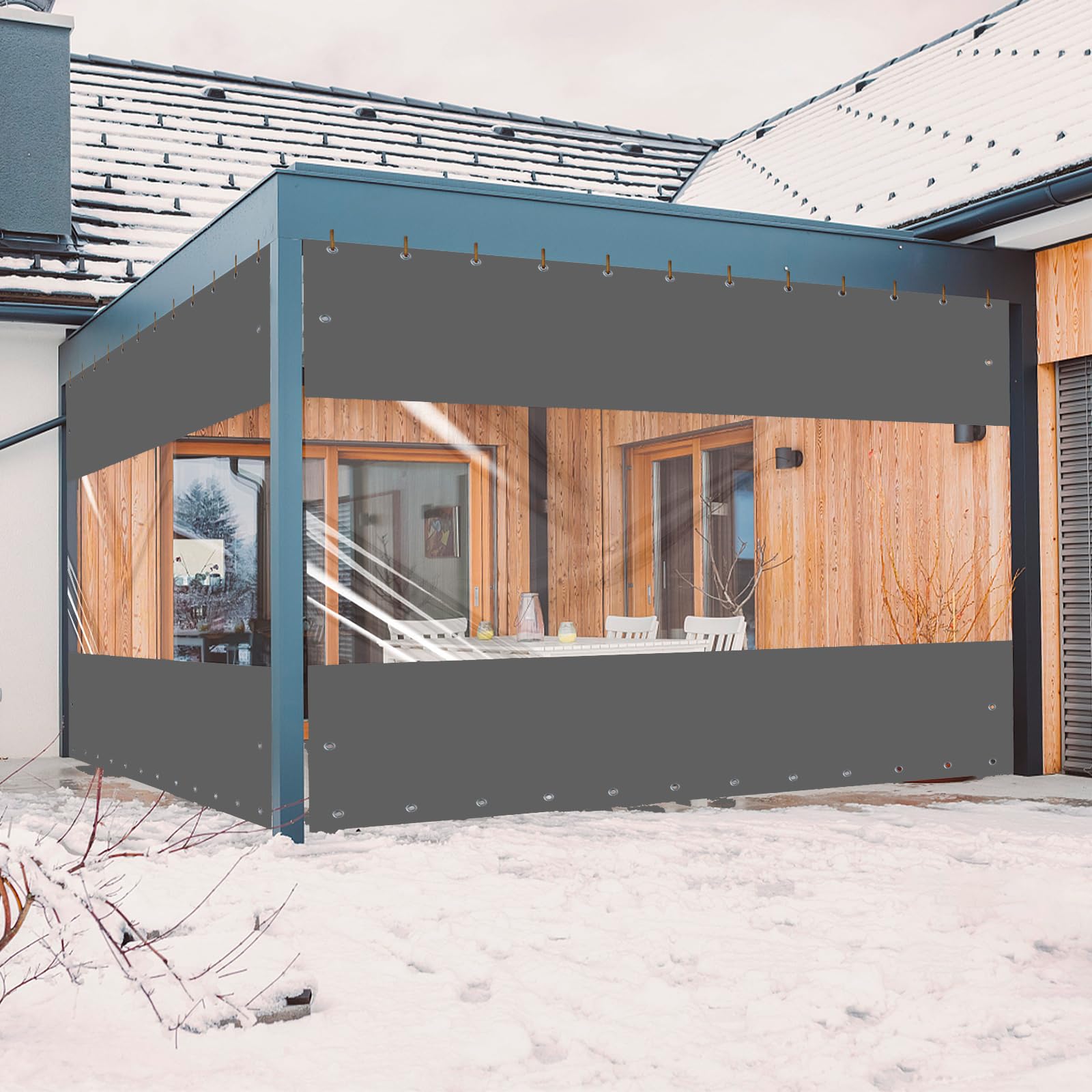
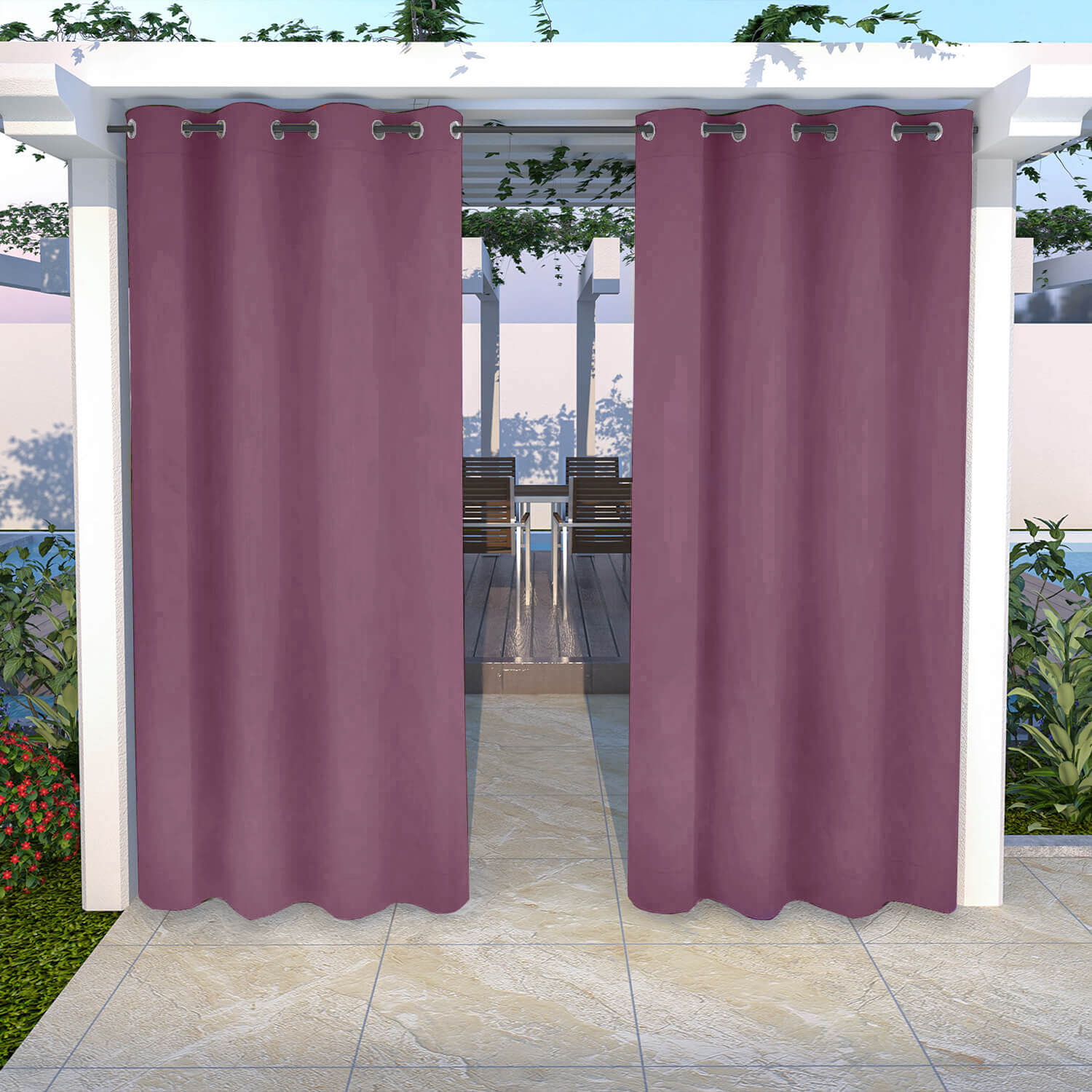
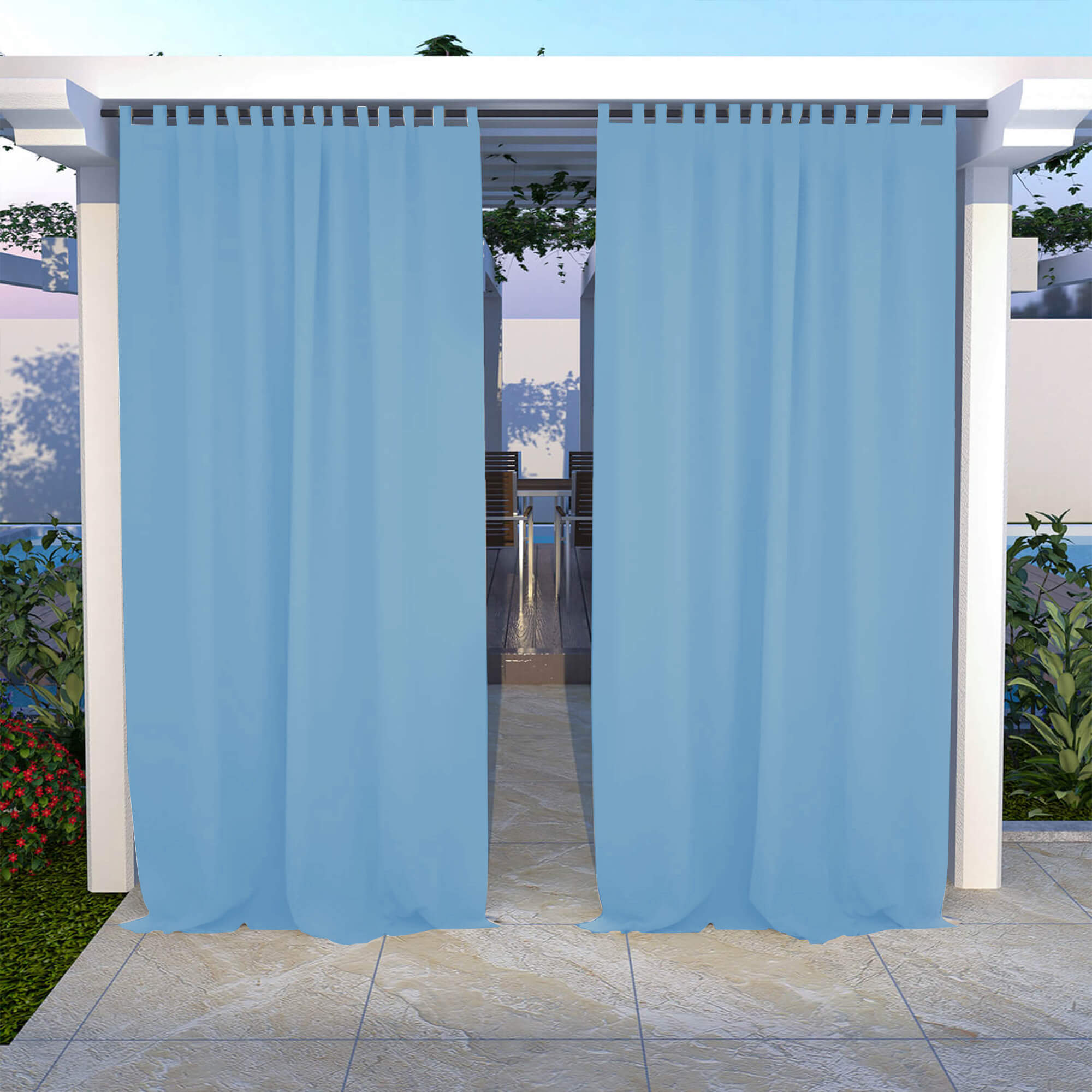
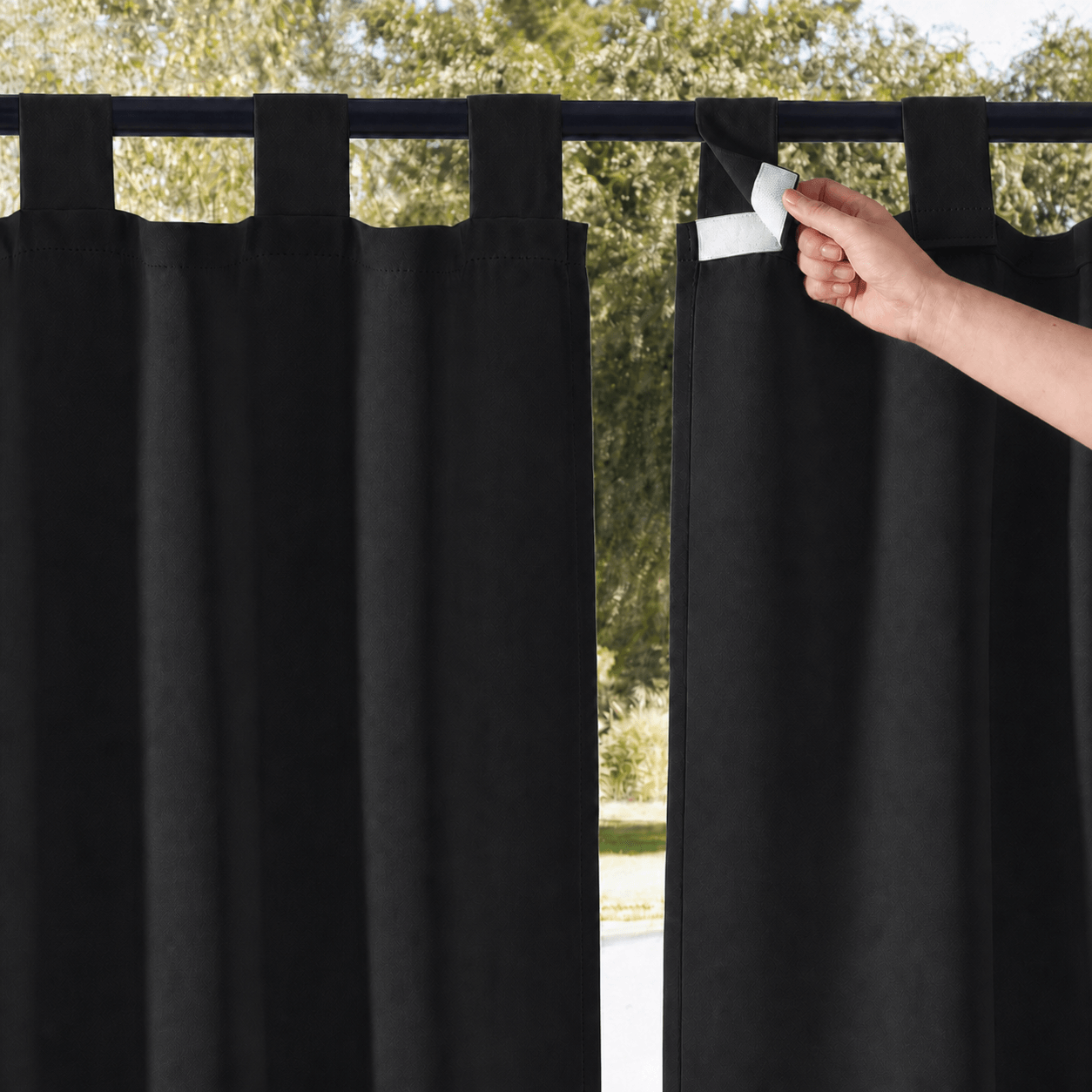
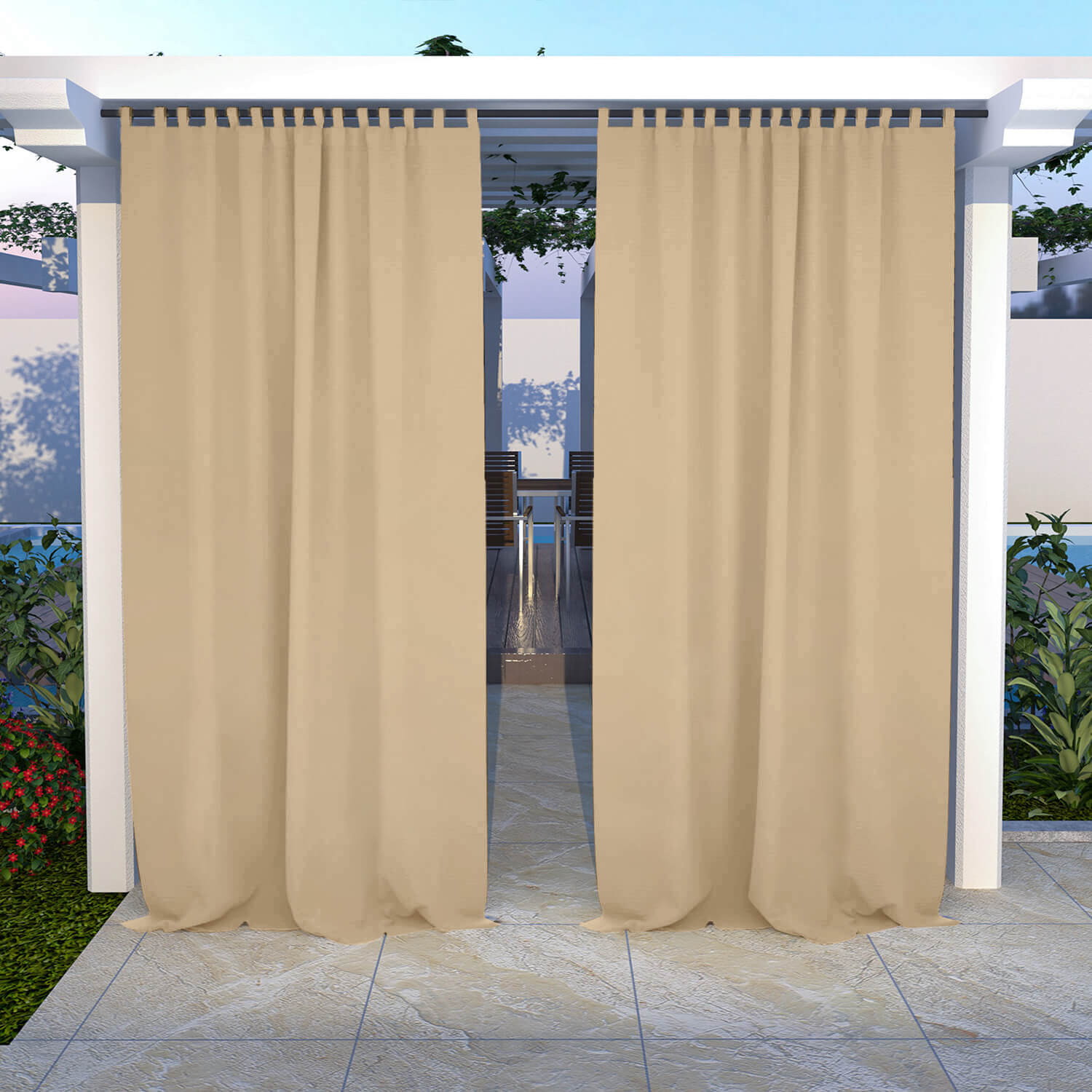
Outdoor curtains address a different need: they can help define a patio for privacy, shade, and comfort during use. For seasonal expectations, read what outdoor curtains can and cannot do in winter, or browse the Snowcity outdoor curtains collection for current patio options.
Prepare your outdoor space for winter with practical protection habits.
Winter patio furniture cover FAQ
Should I use a waterproof cover for patio furniture in winter?
Choose based on the furniture, local conditions, and the product's stated specifications. A waterproof claim does not replace correct sizing, fastening, drainage, inspection, or storm preparation.
Can I cover furniture while the cushions are damp?
It is better to let cushions and frames dry first when possible. Covering damp materials can trap moisture and may lead to odors or mildew depending on the materials and conditions.
How do I stop a patio cover from blowing away?
Use the cover's intended straps, buckles, or drawcords and make sure the size is not excessively loose. For severe winds, follow local safety guidance and the manufacturer's instructions; move or secure furniture as appropriate.