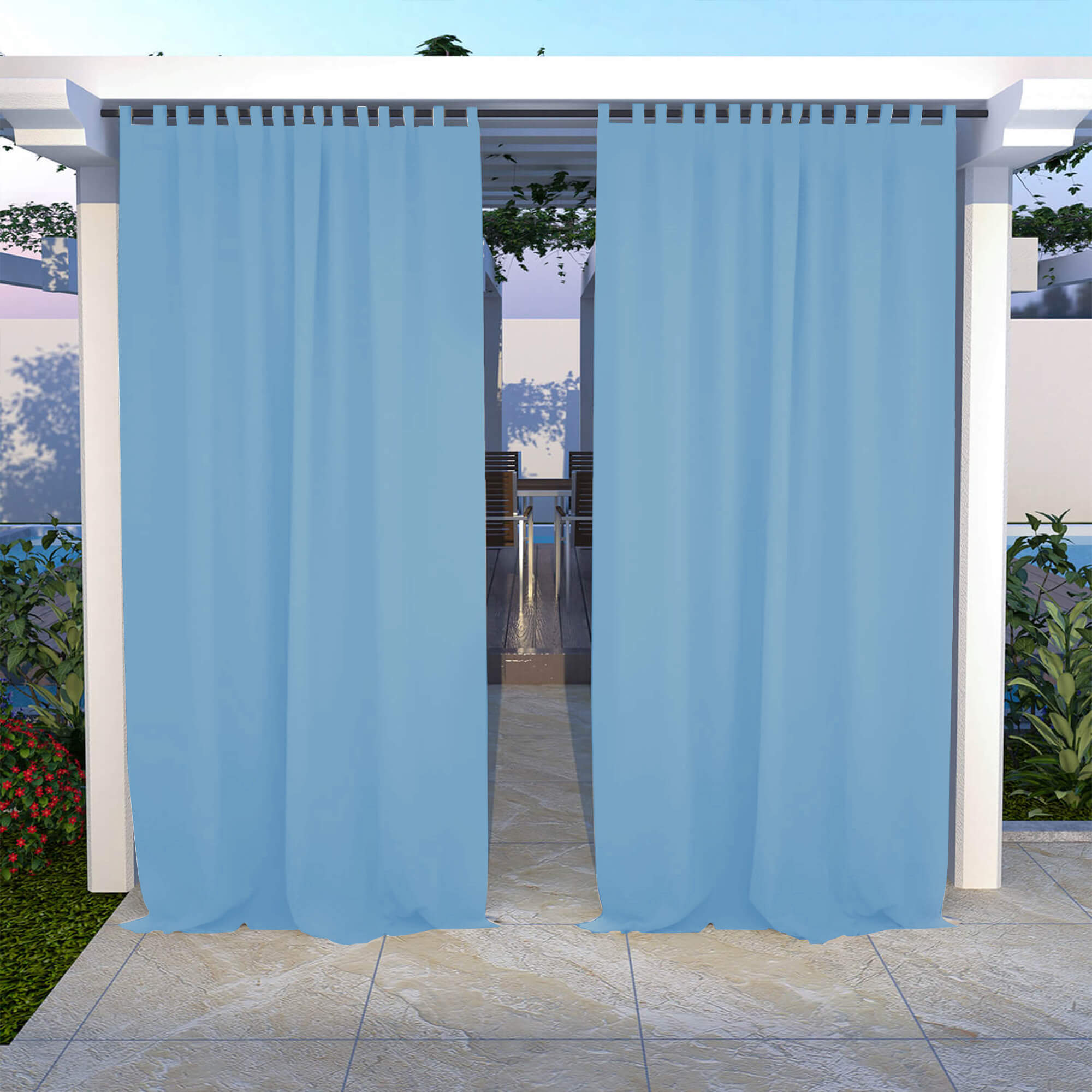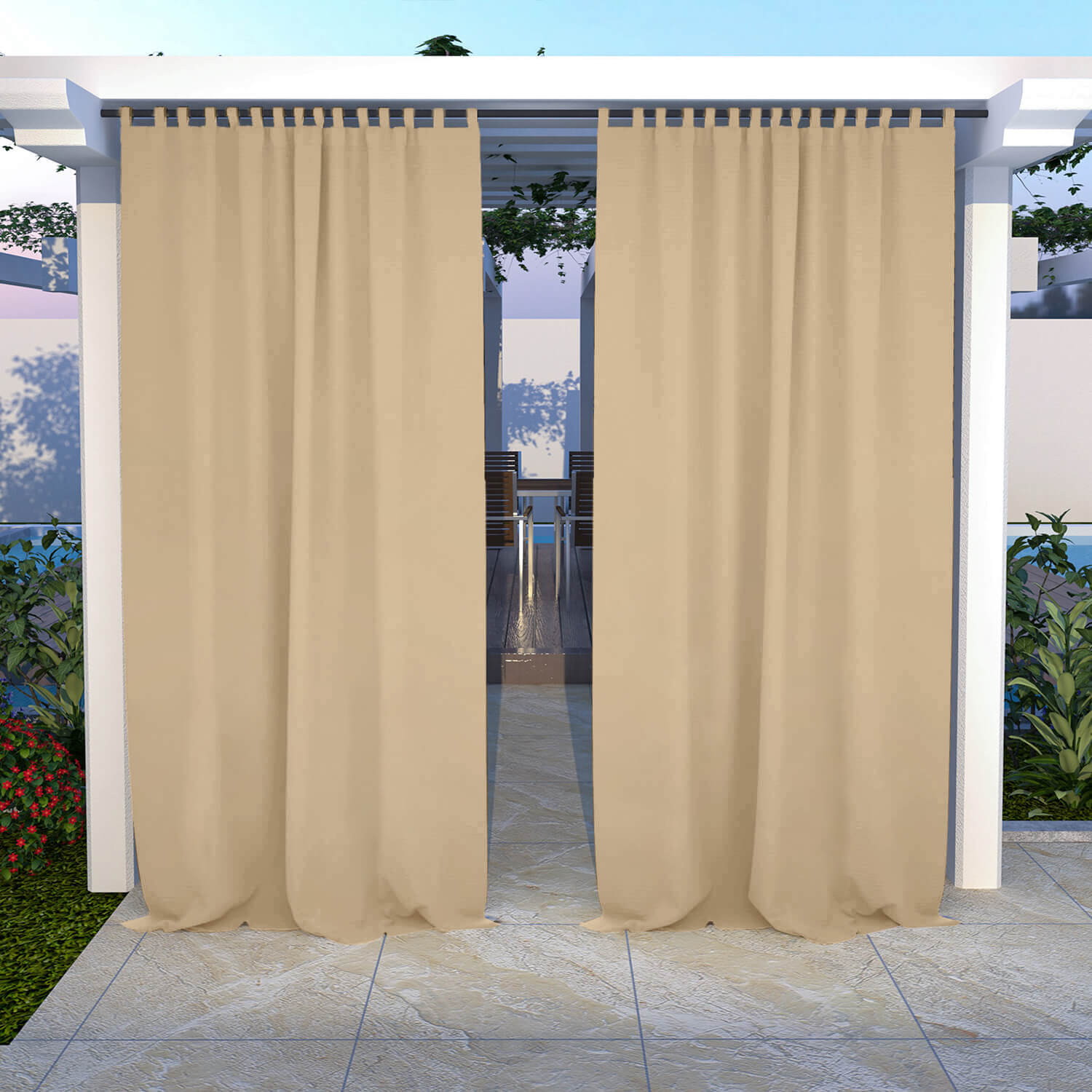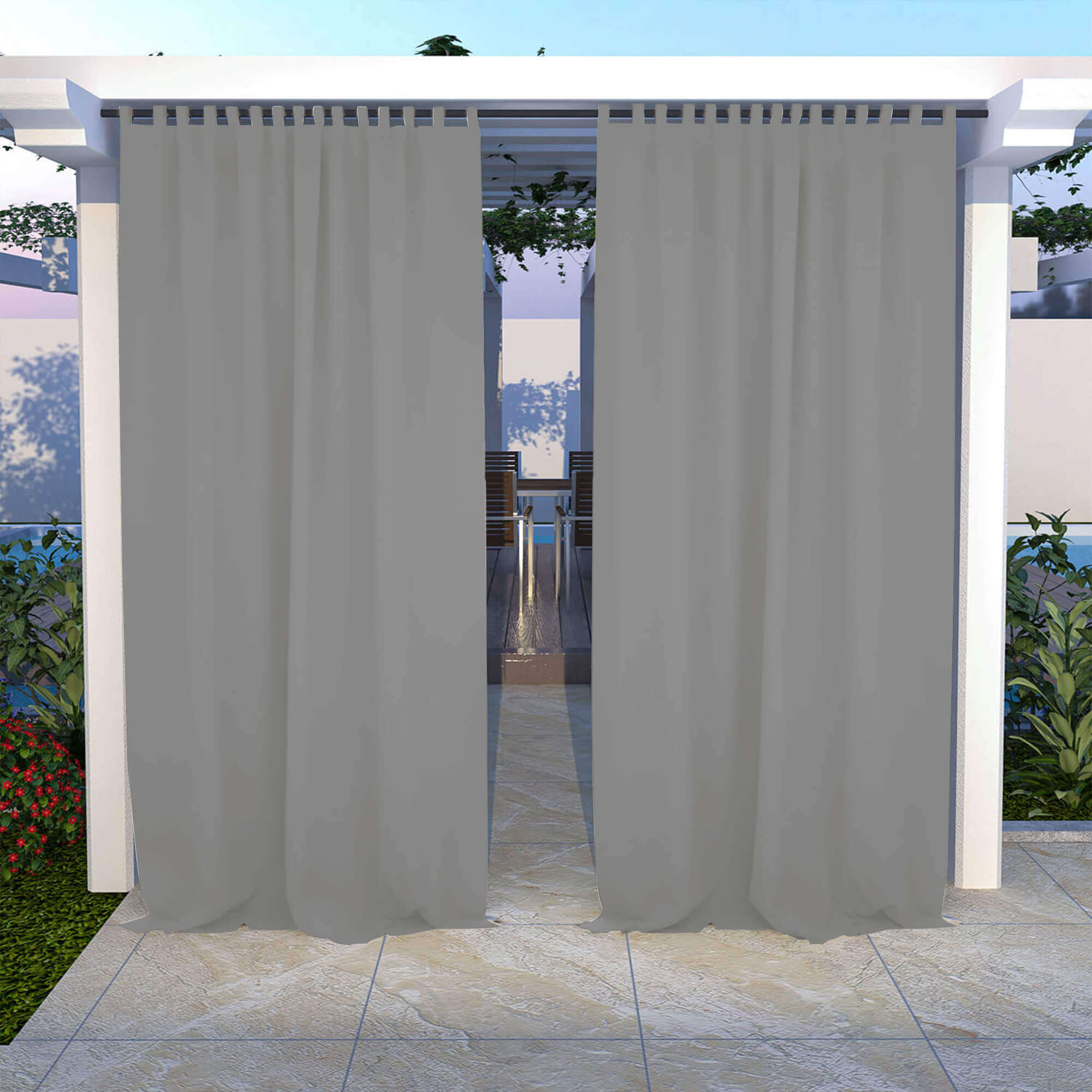
When a patio, porch, or gazebo feels exposed in winter, insulated outdoor curtains can add a flexible layer of privacy and draft control without turning the area into a permanent enclosure. They are most useful when they are chosen for the opening, mounted securely, and paired with realistic expectations about weather. This buying guide explains what to look for before ordering.
What Are Insulated Outdoor Curtains?
An insulated outdoor curtain is a fabric panel designed for outdoor use with an added thermal layer. Snowcity's winter collection describes a thermal cotton interlayer, along with outdoor-oriented windproof and waterproof positioning. In practice, the curtain can help reduce direct airflow through an opening and make a sheltered sitting area feel more comfortable. It does not create an airtight room, replace a roof, or make an exposed patio safe during severe weather.
That distinction is important. A curtain performs best as one part of a winter patio setup: a roof or pergola above, sound mounting hardware, and panels that can be opened, tied back, or secured as conditions change. Browse the Snowcity Insulated Outdoor Curtains for Winter collection to see the available winter-focused options.
Where They Work Best
Insulated outdoor curtains are a practical fit for openings where you want adjustable coverage rather than a permanent wall. Common uses include:
- Covered patios and porches: close one or two exposed sides while keeping the space open when the weather is mild.
- Gazebos and pergolas: add side coverage for privacy and wind management while preserving the option to stack panels back.
- Balconies: screen an exposed side only where building rules and mounting conditions allow.
- Garage, warehouse, or commercial openings: create a flexible partition where the product and hardware suit the opening.
They are less suitable as the sole protection for a fully exposed deck, a location with extreme wind, or an opening that needs a code-compliant weather enclosure. For heavy storms, follow local safety guidance and secure, tie back, or remove fabric panels as appropriate for the hardware and conditions.
What They Can Realistically Do in Winter
Closing a thick panel across a sheltered opening can reduce the sensation of a direct draft and add a privacy screen. The benefit depends on gaps at the sides and bottom, the roof coverage, the panel fit, and the wind direction. A thermal layer may improve comfort near the opening, but it cannot guarantee a specific temperature change or retain heat like a sealed, insulated structure.
Waterproof and windproof product descriptions should also be read in context. Fabric curtains can help with everyday moisture and wind exposure, yet seams, grommets, edges, and an open mounting system are not the same as a sealed storm barrier. Let wet panels dry before long-term storage, and do not rely on curtains alone for storm protection.
Material and Construction Details to Compare
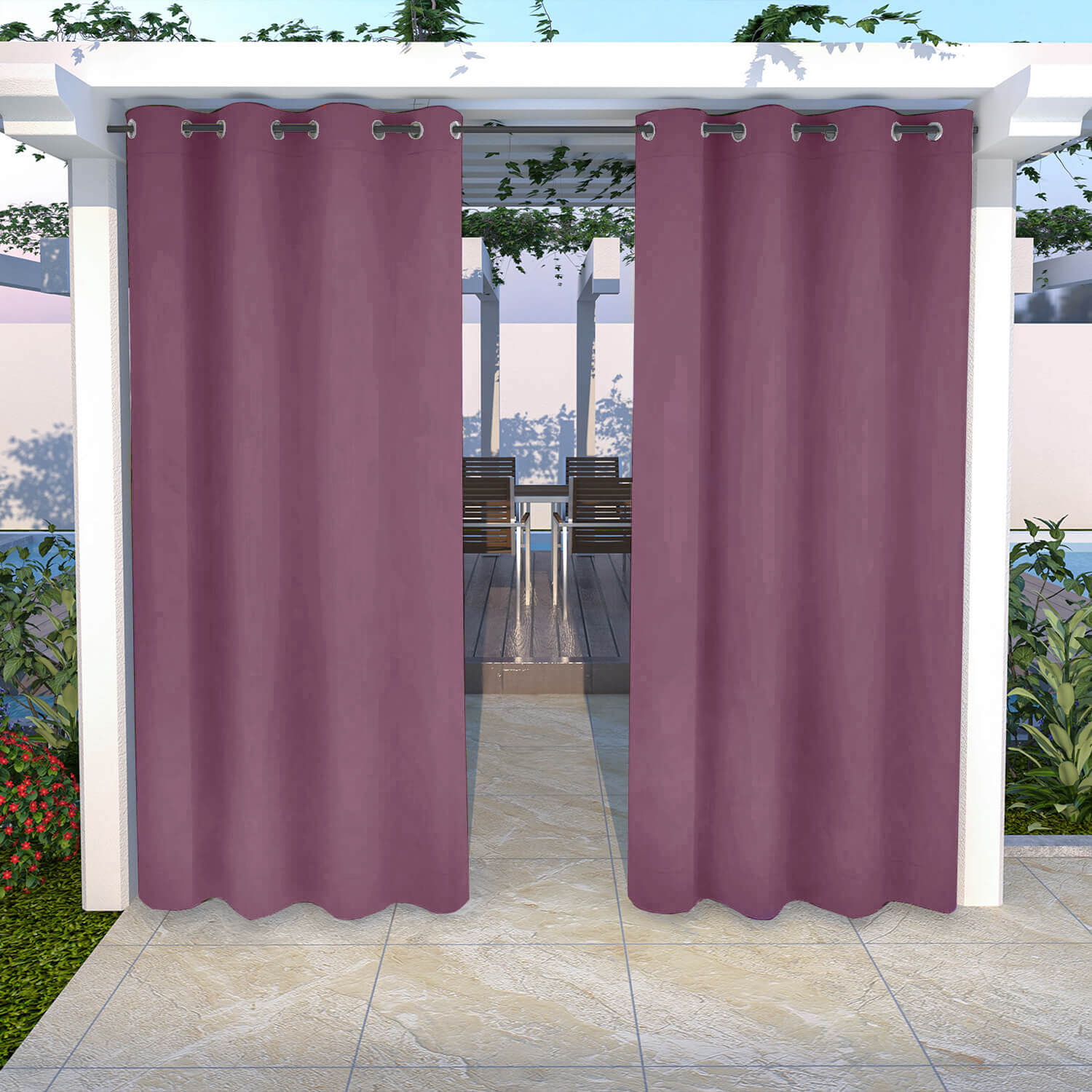
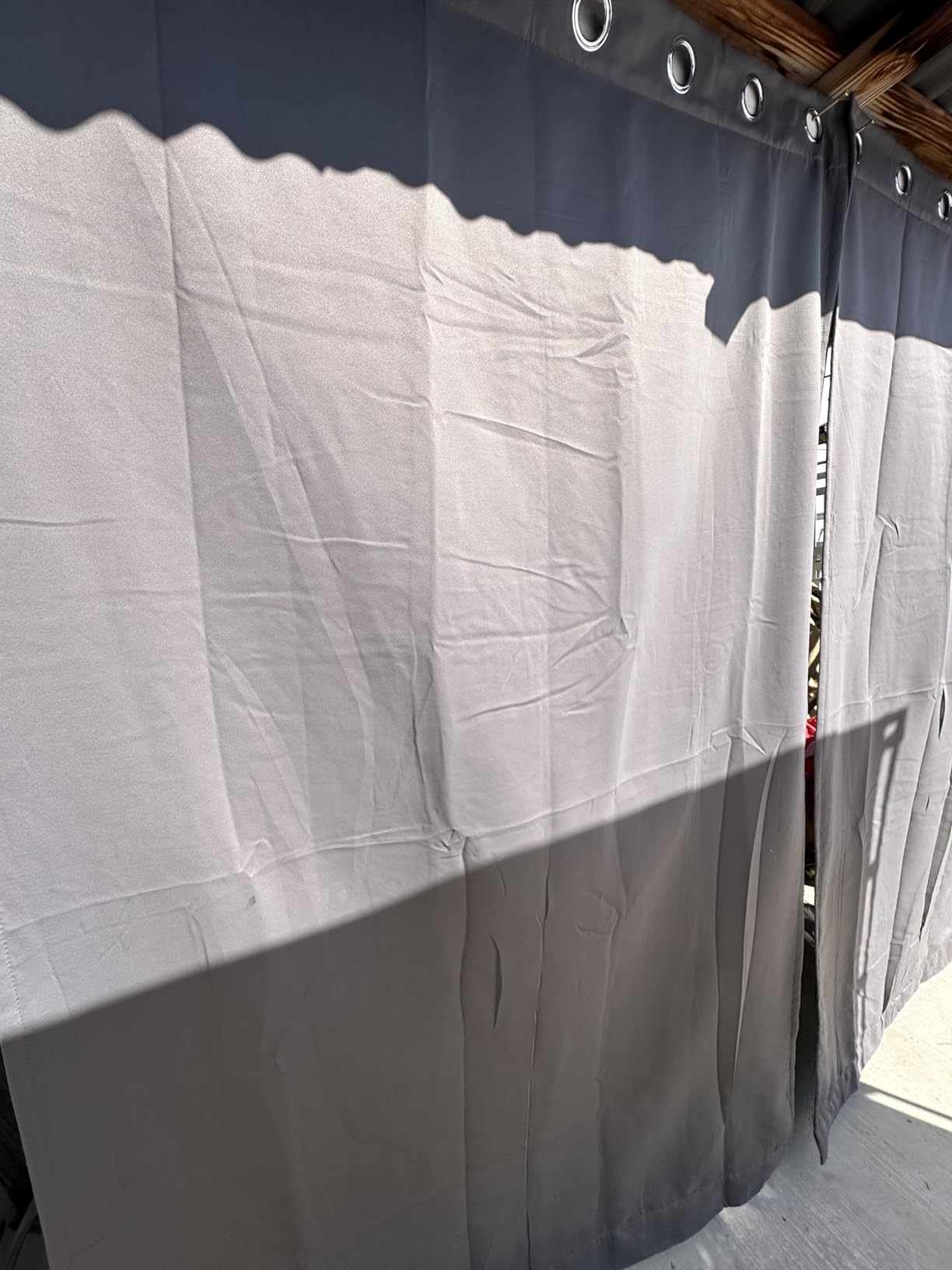
Start with the construction that affects how the panel will hang and operate. The Light Beige Snowcity winter curtain lists a thermal cotton interlayer and offers three header configurations: Grommet Top & Bottom Perforated Tape, Grommet Top, and Grommet Top & Bottom. A grommet header can be convenient for a compatible rod; bottom attachment points can be useful when your layout calls for additional securing. Choose the style around your actual mounting method rather than selecting features only by name.
Also check the panel weight, the load rating of the rod or track, and the condition of the mounting surface. Outdoor hardware needs to be appropriate for the panel and exposure. A strong product panel cannot compensate for a weak bracket, an undersized rod, or fasteners placed in unsuitable material.
Size and Mounting Checklist
- Measure each opening at the exact line where the rod, track, or hooks will be installed.
- Record the finished height from installed hardware to the desired bottom edge, leaving practical clearance for wet ground and abrasion.
- Plan where the fabric will stack when it is open and where tiebacks or anchors will sit.
- Choose the header style that matches your hardware and whether you need lower attachment points.
- Confirm that doors, railings, lights, and furniture still have clearance when panels are closed or tied back.
Snowcity's Measurement Method recommends measuring the full pole length and using a 1.5–2 fullness ratio where applicable. Its standard Light Beige winter sizes run from 52 or 84 inches wide to 100 inches wide, with 84–120 inch lengths. Measure first, then compare the panel size with the opening and the way you want the curtain to gather.
When a Custom Option Is Worth Considering
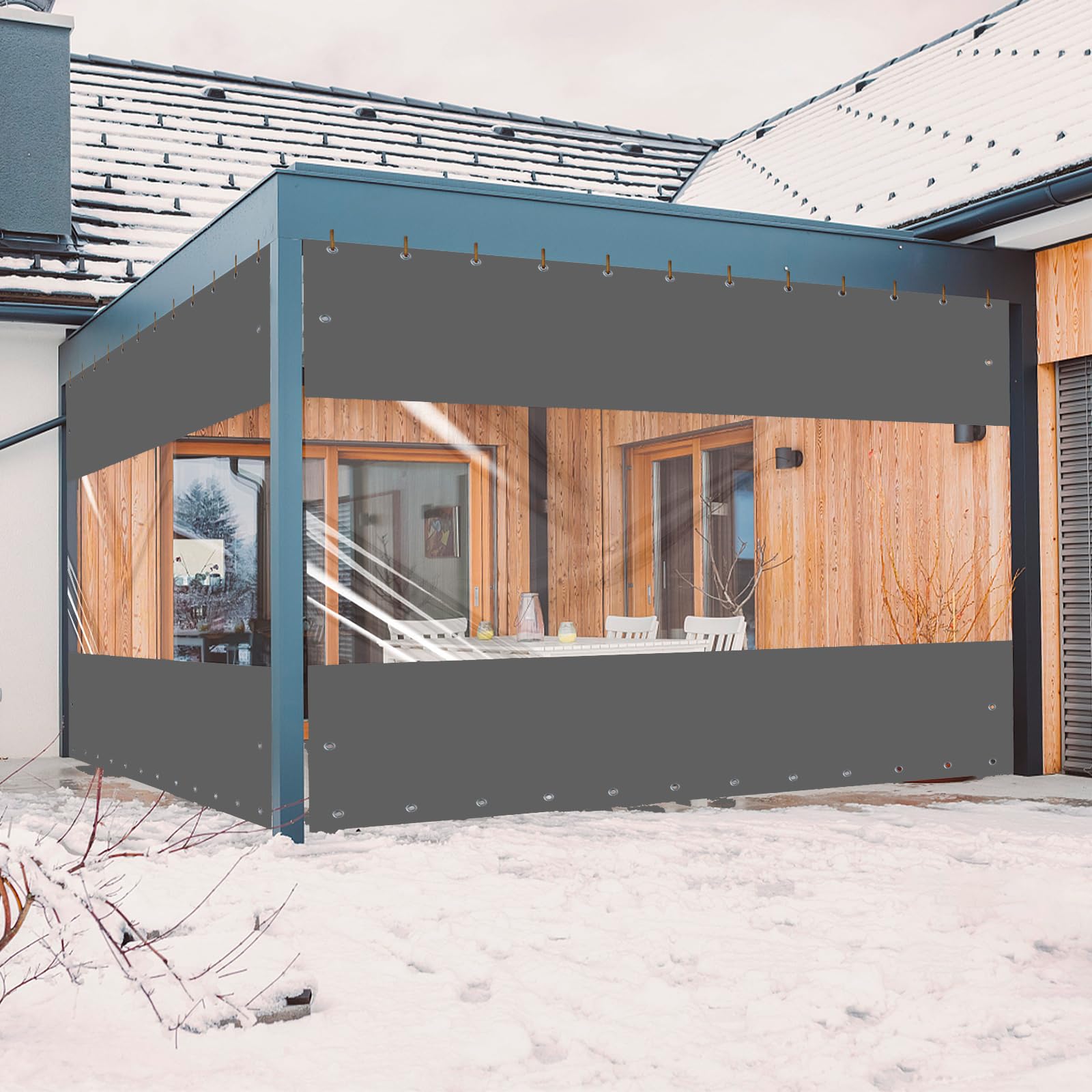
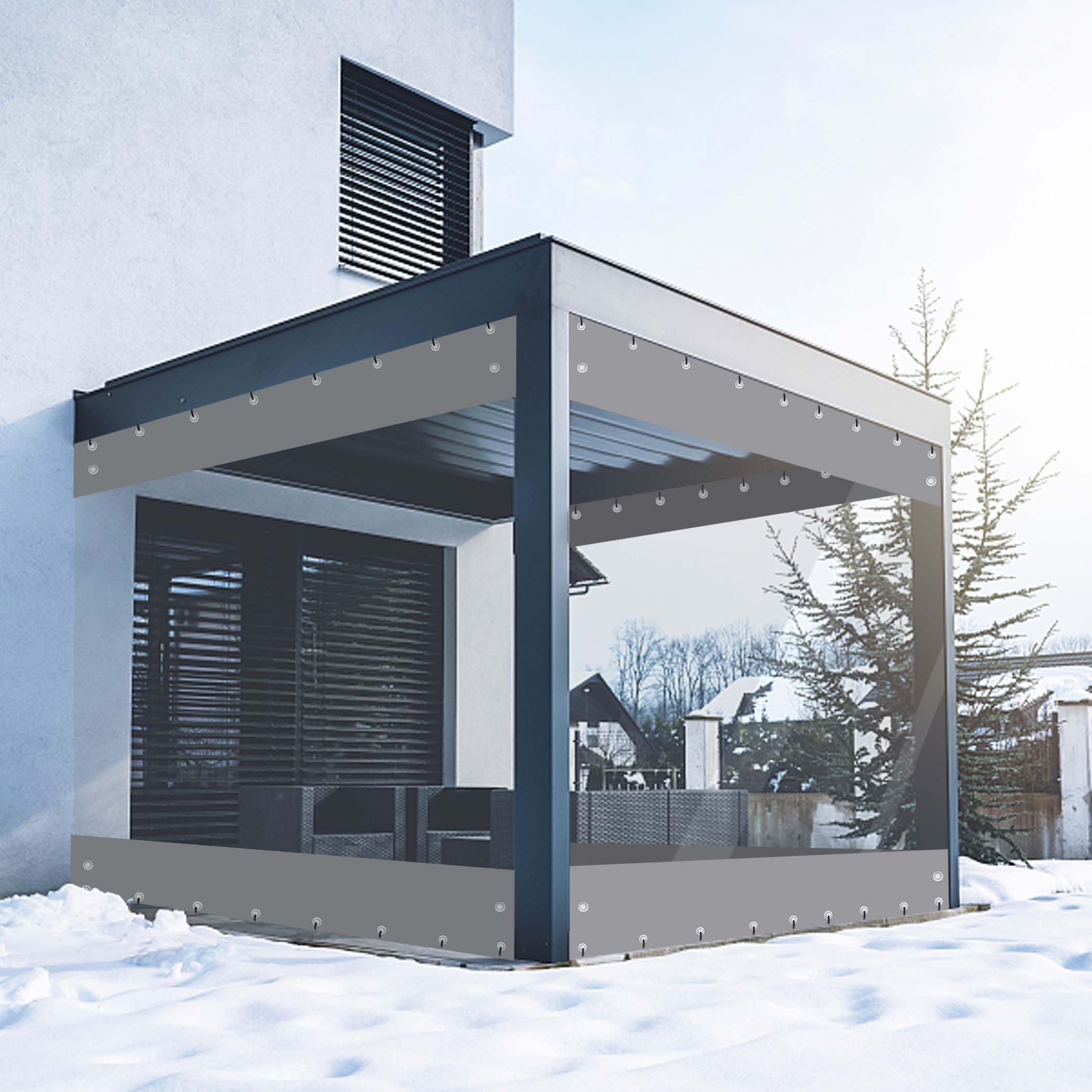
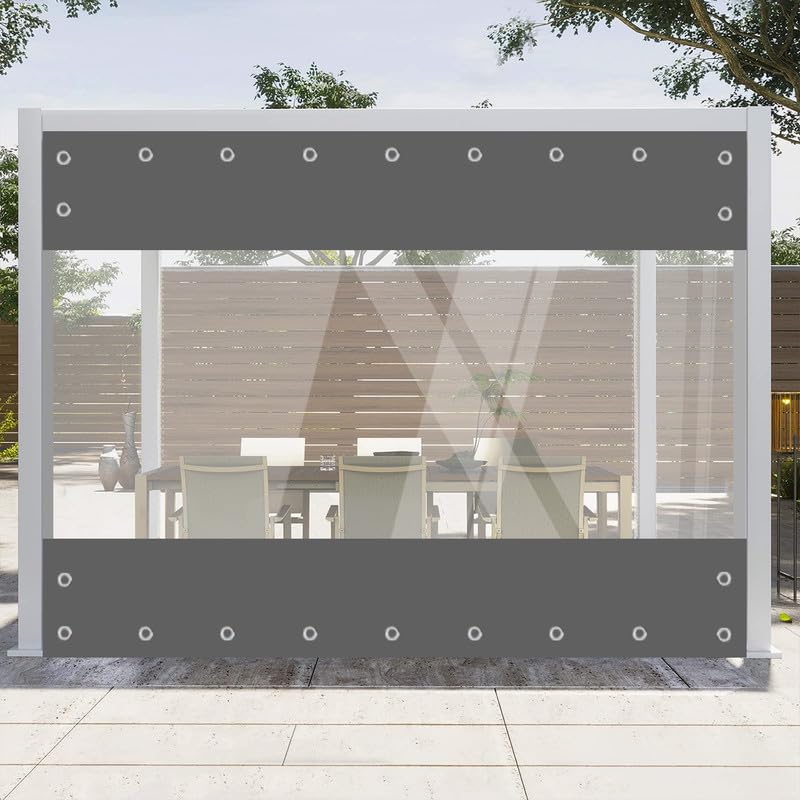
Consider a custom order when the opening is wider, taller, sloped, irregular, or divided around posts. It can also help when you need details such as a zipper, PVC vision window, magnetic attachment, Velcro connection, or a different panel arrangement. Customization should solve a documented installation need, not mask a measurement that has not been taken yet.
For a winter-ready starting point, see the Light Beige insulated outdoor curtain. The product page lists standard sizes and customization support; contact Snowcity with the opening measurements and installation requirements before ordering a non-standard configuration.
A Practical Buying Decision
Choose insulated outdoor curtains when you want an adjustable fabric layer for a sheltered outdoor opening, along with privacy and more comfortable wind exposure. Match the size, header, and hardware to the structure, and keep weather expectations practical. The right setup can make a winter patio easier to use; it should not be treated as a substitute for permanent construction or severe-weather protection.
Shop Snowcity insulated outdoor curtains for winter. Start with the Insulated Outdoor Curtains for Winter collection, then select the panel and configuration that fit your measured opening.
Frequently Asked Questions
Are insulated outdoor curtains warm?
They can add a thermal fabric layer and reduce a direct draft across a sheltered opening. The result depends on the structure, gaps, weather, and installation; they do not create a sealed heated space.
Can I use them on a gazebo or pergola?
Yes, they can suit gazebo or pergola side openings when the mounting surface and hardware are appropriate. Measure each opening and plan how the panels will be secured in changing weather.
Should I choose standard or custom size?
Use a standard size when it fits the measured opening and hardware plan. Choose custom sizing for unusual dimensions, irregular shapes, or specific functional requirements such as a zipper or vision window.