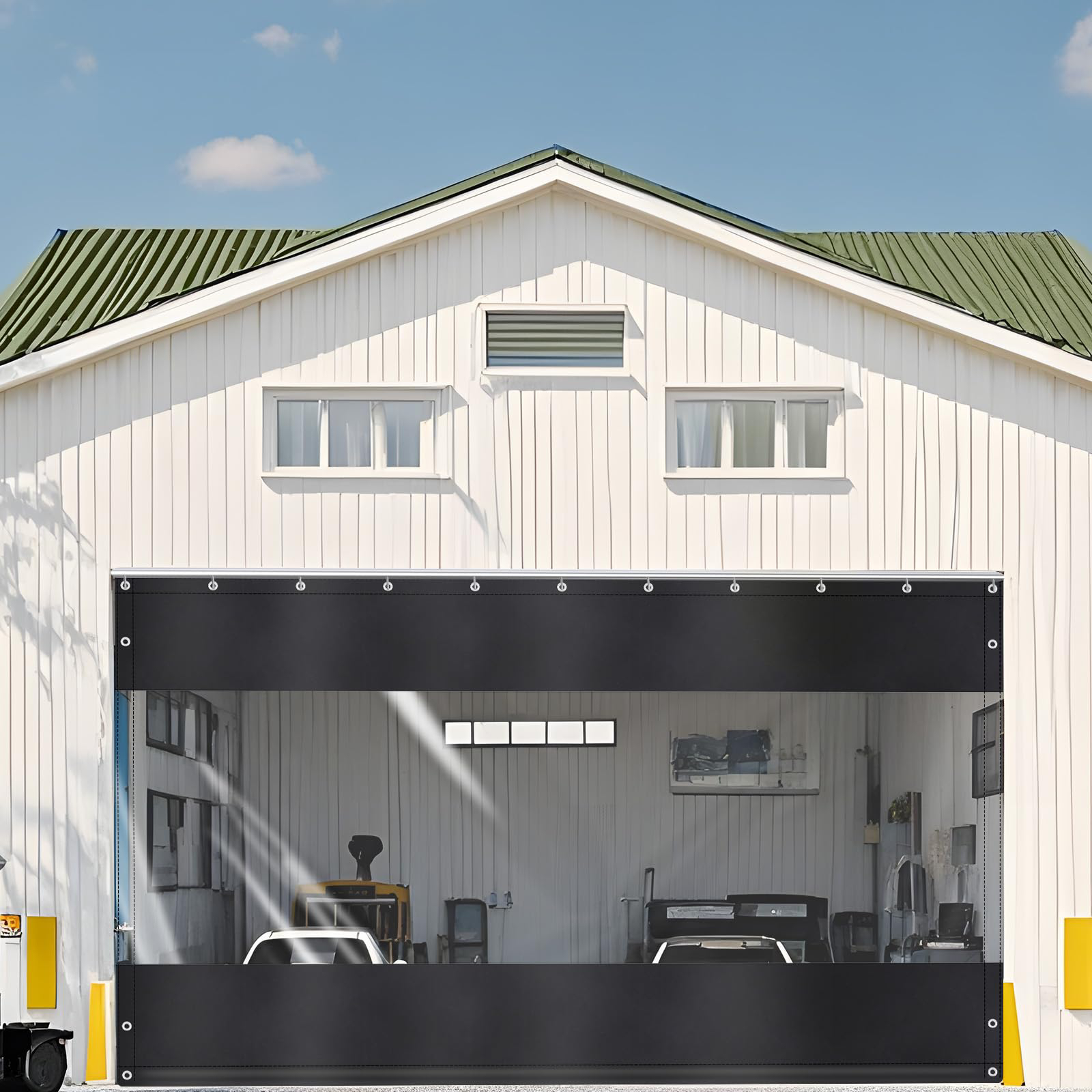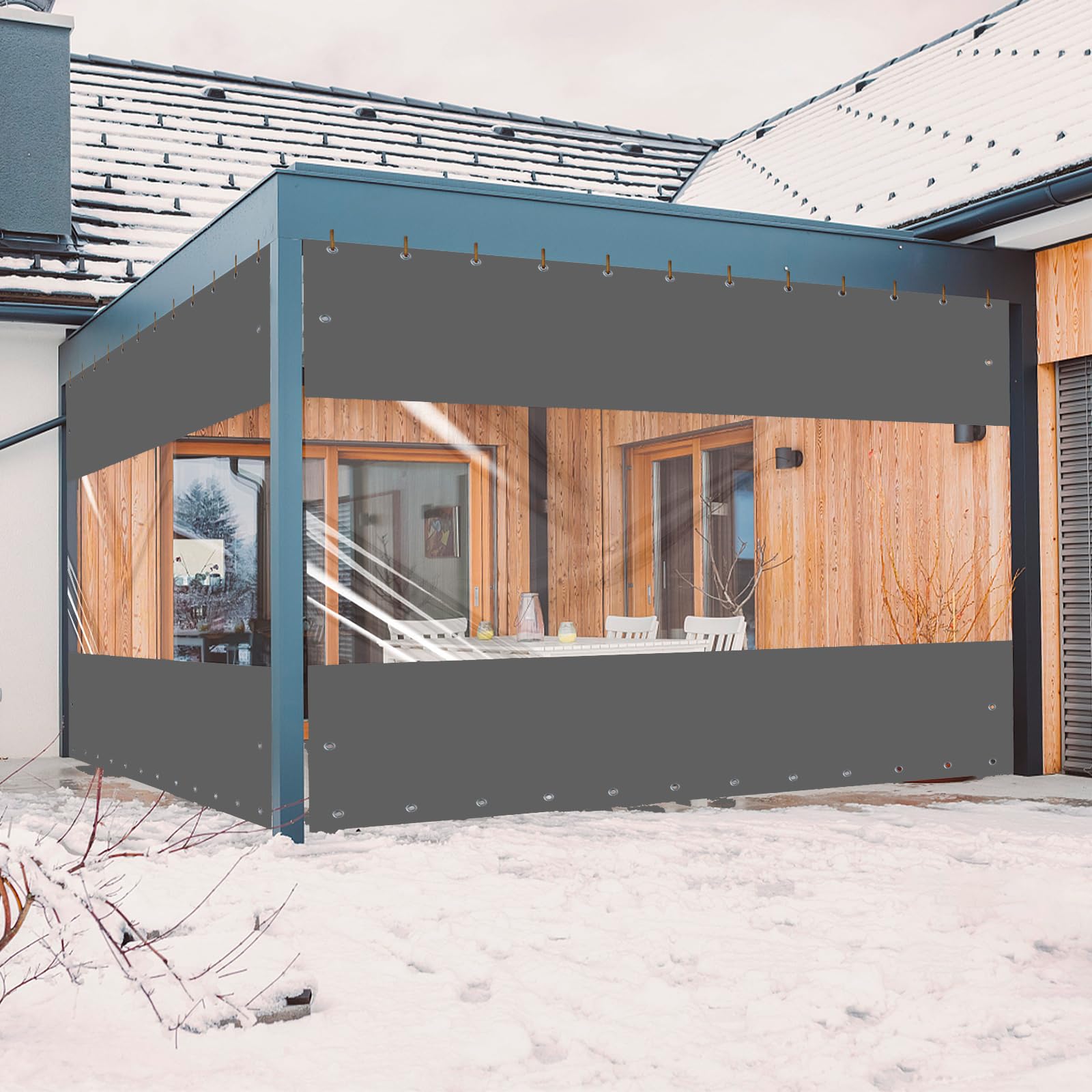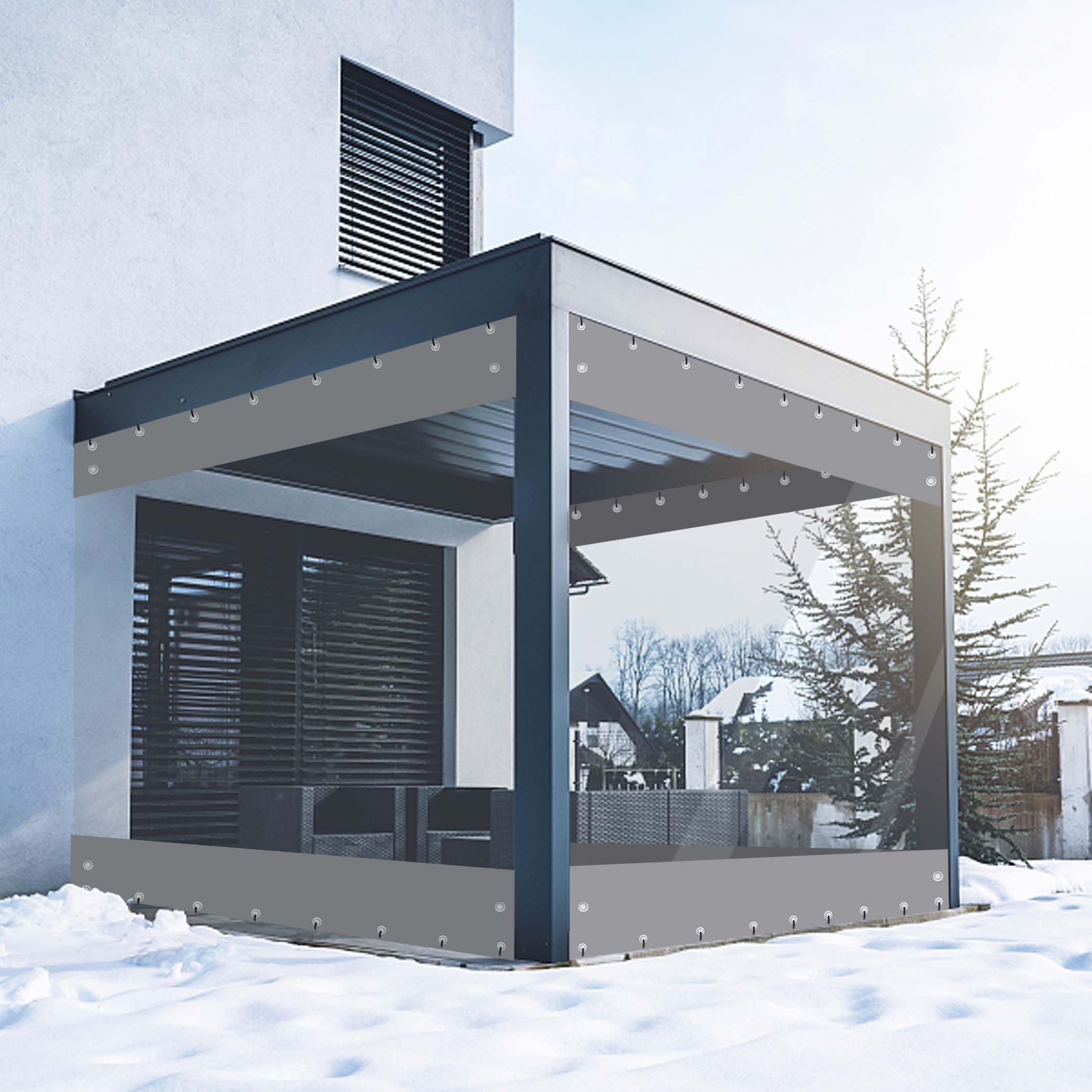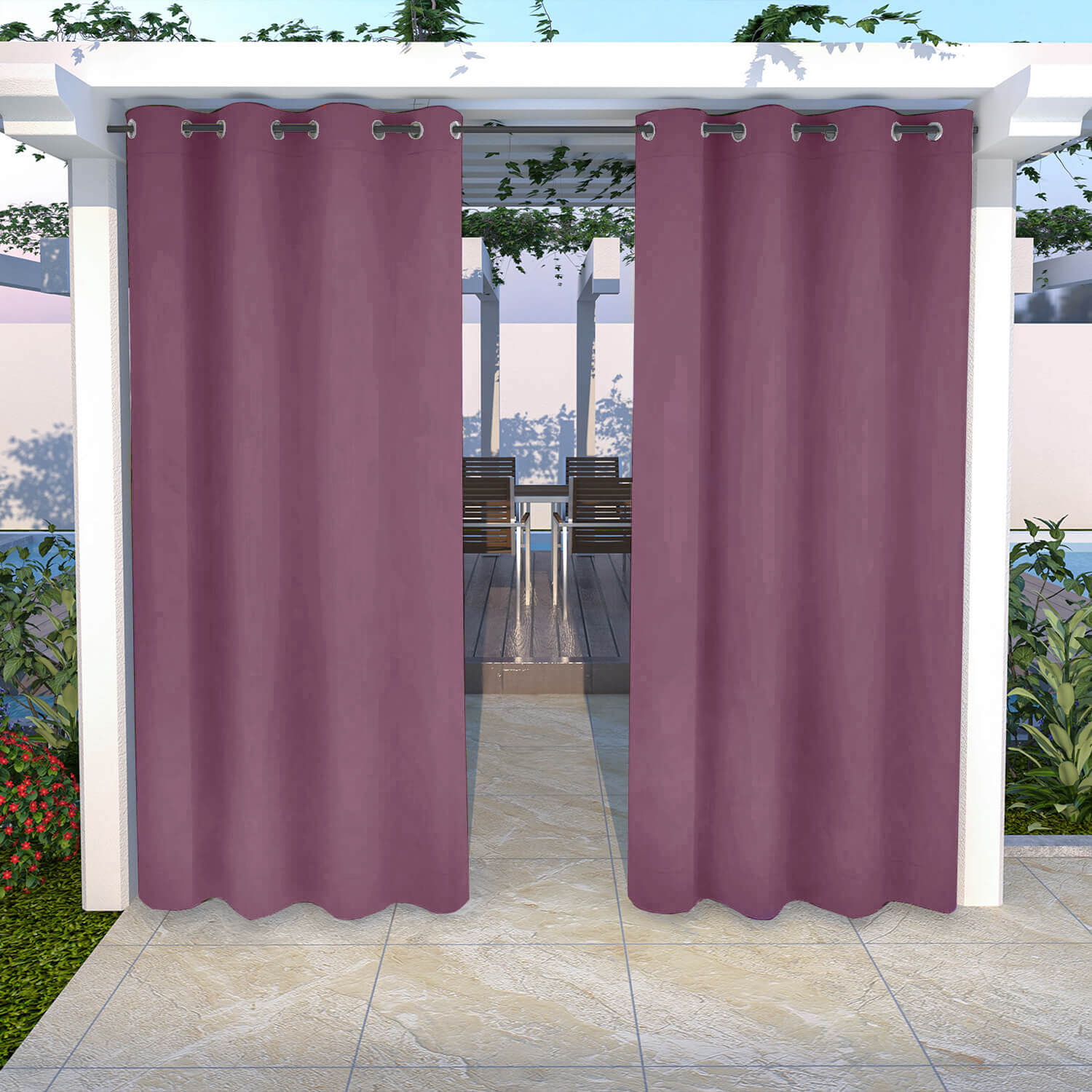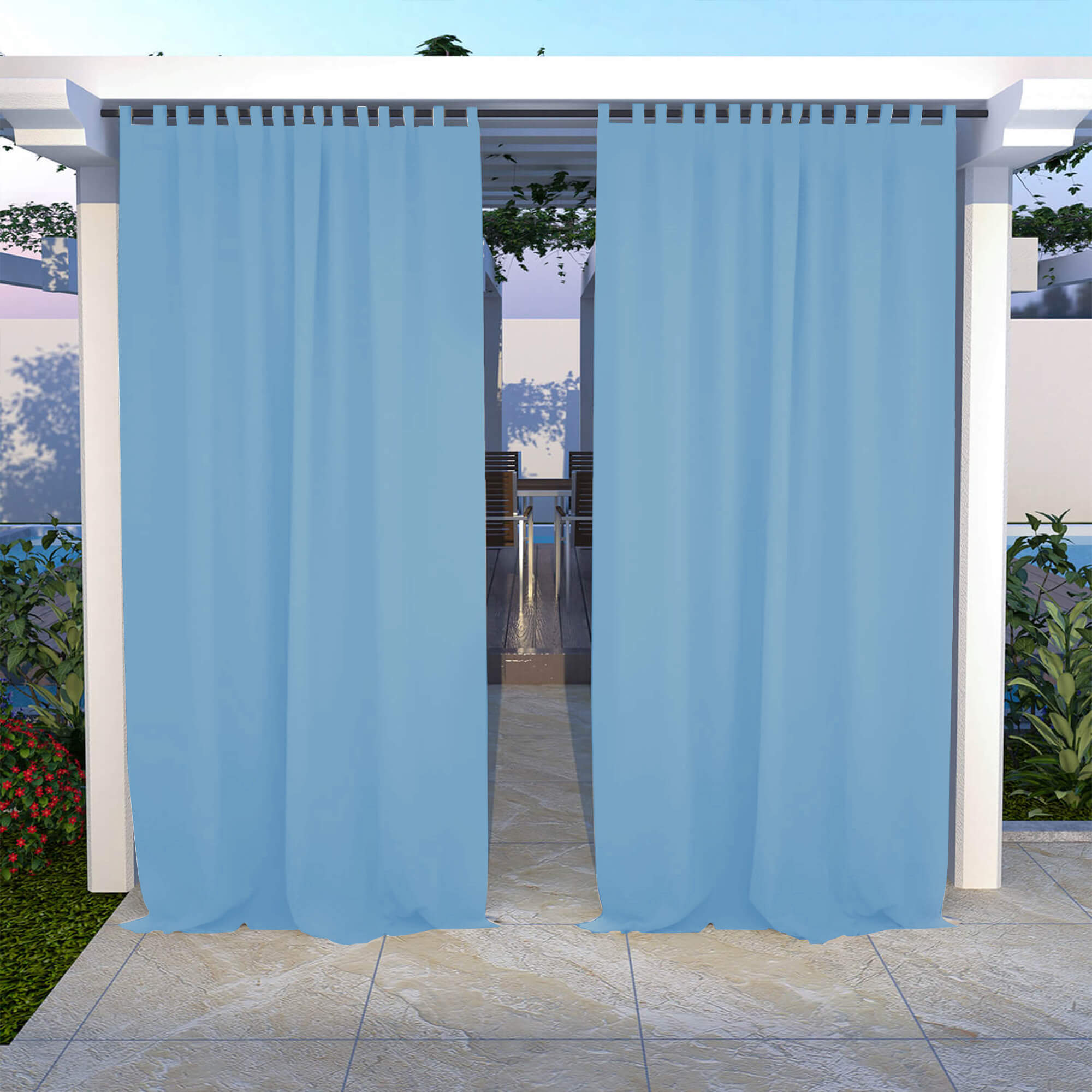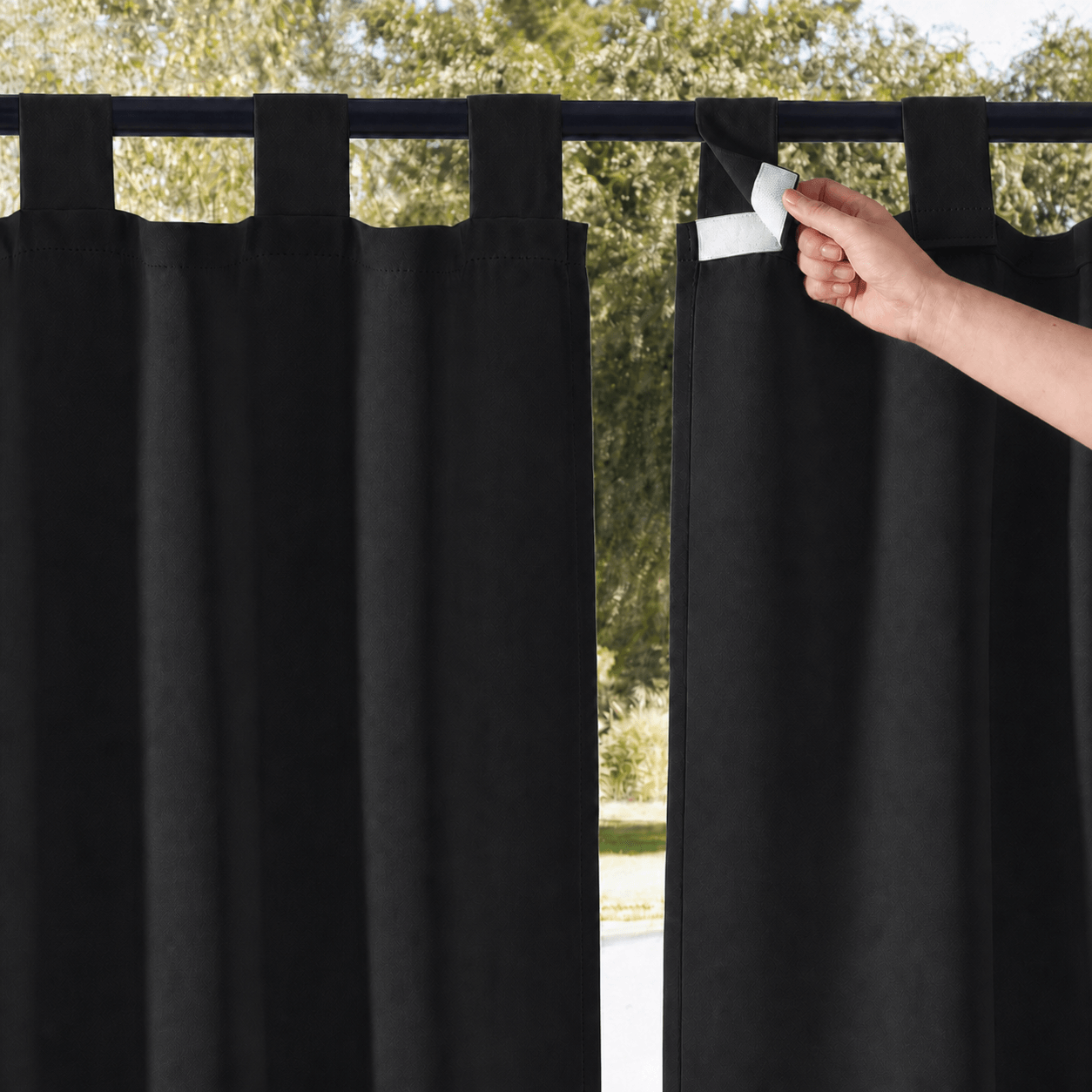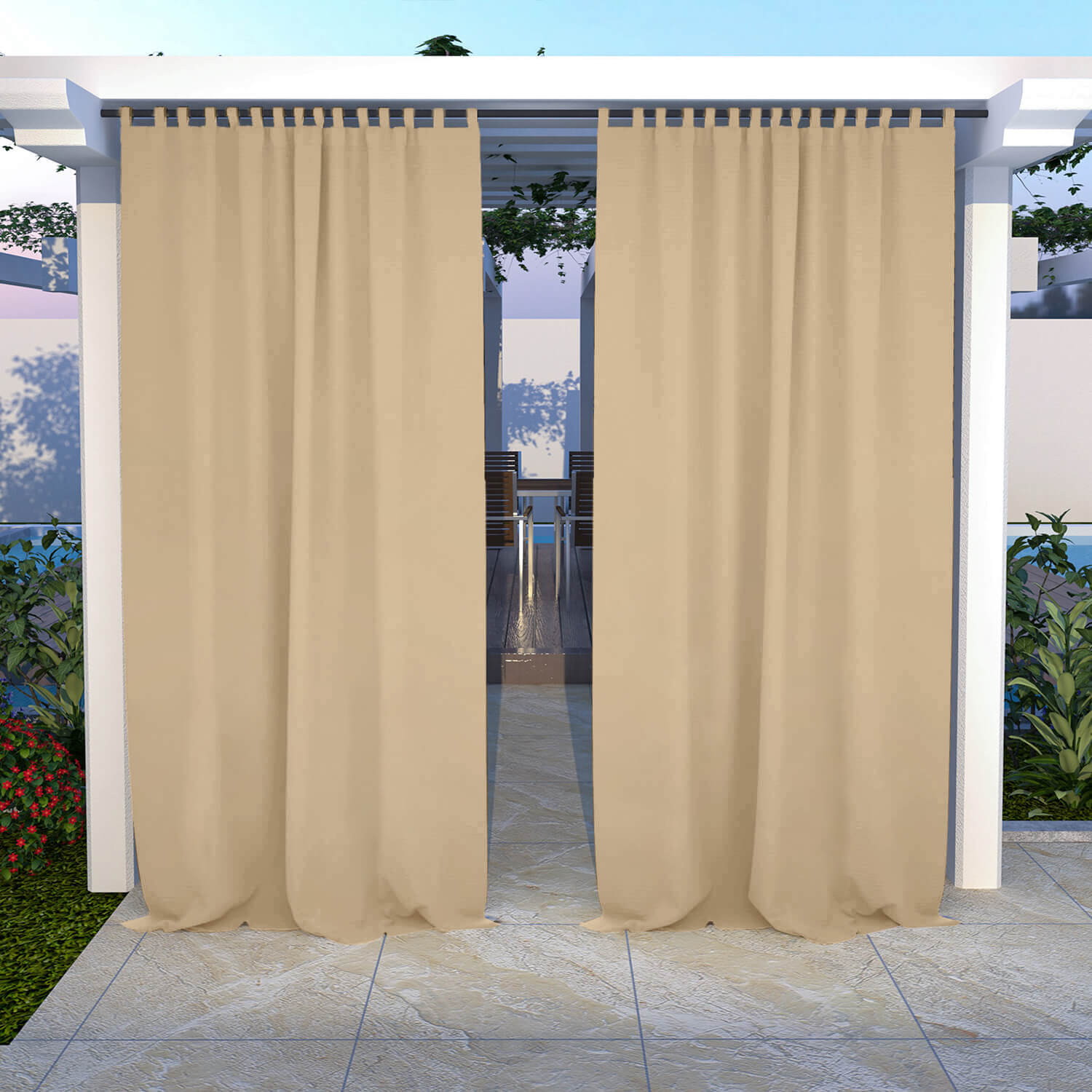
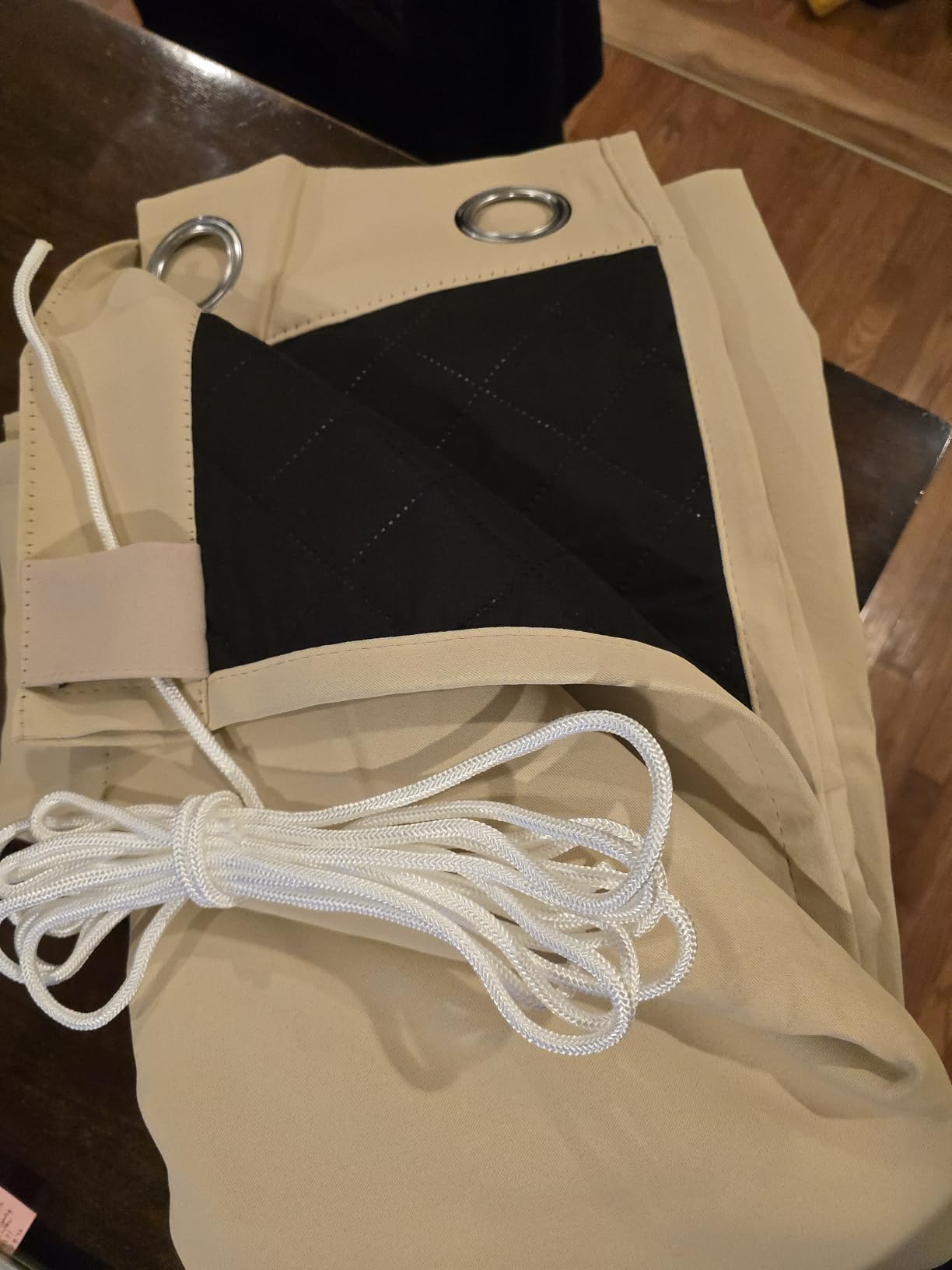
Yes—insulated outdoor curtains can make a covered patio, porch, or gazebo feel more comfortable in winter, especially by reducing direct drafts. They do not generate heat, seal an outdoor area like a finished room, or replace a safe heating plan. Their value comes from adding an adjustable fabric layer at an exposed side of a sheltered space.
How Insulated Outdoor Curtains Help in Winter
Wind moving through an open side can make a seated area feel much colder than the air temperature suggests. Closing a properly sized curtain panel across that opening can interrupt the direct airflow and create a calmer zone behind it. Snowcity's winter curtain collection uses a thermal cotton interlayer, along with outdoor-oriented windproof, waterproof, and privacy features. The practical result depends on the roof coverage, opening size, panel fit, wind direction, and the gaps left around the curtain.
For winter patios, curtains work best as part of a layered setup: overhead cover, sound mounting hardware, and panels that can be closed when needed and secured when conditions change. Explore the Snowcity Insulated Outdoor Curtains for Winter collection to compare configurations for your opening.
Do They Generate Heat?
No. An insulated curtain does not produce heat. It can help you hold back a direct draft and add a thermal fabric layer between people and an exposed side of the structure. That may improve perceived comfort in a covered space, but it cannot guarantee a temperature increase or turn an open patio into an insulated indoor room.
If you use an outdoor-rated heater, follow its manufacturer instructions, local fire-safety requirements, ventilation guidance, and required clearances. Curtains should never be placed where heat, flame, or hot exhaust can reach them. Treat the curtain as a wind and privacy layer—not as a heater enclosure.
Why Installation Gaps Matter
The most noticeable performance loss often comes from gaps rather than the panel itself. A wide space at the top, uncovered side edges, or a curtain that stops well above the ground gives air an easy path through the opening. You do not need to make the space airtight, but planning the fit helps the panel do its intended job.
- Measure from the installed hardware: measure the rod, track, or hook line rather than the opening alone.
- Allow enough width: panels need practical coverage and room to gather when open.
- Check the bottom edge: leave clearance for wet ground and movement while avoiding an unnecessarily large gap.
- Secure exposed sides: use compatible tiebacks, anchors, or lower attachment points only where the structure and hardware support them.
- Plan the stack-back position: doors, railings, and furniture should still operate when the curtain is open.
Best Outdoor Setups for Winter Comfort
Insulated curtains are most useful on a covered patio, porch, gazebo, pergola, balcony, or similar structure with one or more sides that can be adjusted. A roof or overhead cover helps limit rain and direct exposure, while a stable frame gives you somewhere suitable to mount the hardware. They are less appropriate as the only protection on a fully exposed deck or in locations that regularly face extreme wind.
The Light Beige insulated outdoor curtain offers a thermal cotton interlayer and grommet-based header options, including configurations with bottom perforated tape. Choose the header and any lower securing method around the way your specific opening is built; a stronger panel cannot compensate for an undersized rod, weak brackets, or unsuitable fasteners.
Weather Limits to Keep in Mind
Waterproof fabric can help with routine moisture exposure, but a curtain installation still has seams, grommets, edges, and mounting gaps. It is not a sealed storm barrier. In heavy storms, high winds, or conditions that could strain the hardware, follow local safety advice and secure, tie back, or remove the panels as appropriate. Allow wet curtains to dry before long-term storage.
For an outdoor heater setup, use only equipment designed for that environment and keep the required clearance from all fabric. For a space that needs code-compliant weather protection, permanent construction, or full storm resistance, consult a qualified local professional instead of relying on curtains alone.
Winter Buying Checklist
- Identify which side of the covered space receives the most wind.
- Measure the opening at the finished mounting line and note nearby obstacles.
- Choose a panel width, length, and header style that suit the rod or track.
- Confirm the hardware and mounting surface can carry the panel in changing weather.
- Decide how panels will be tied back or secured when open and when wind increases.
- Keep any heater, flame, and hot exhaust safely clear of fabric.
Snowcity also supports custom details for documented installation needs, such as unusual dimensions, zippers, PVC vision windows, magnetic attachment, or Velcro connections. Start with exact opening measurements before requesting a custom configuration.
A Realistic Recommendation
Choose insulated outdoor curtains when you want flexible privacy and better draft control around a sheltered outdoor seating area. Pair them with a sound installation and sensible weather practices, and they can make a winter patio easier to use without overstating what fabric can do.
Choose insulated curtains for a more comfortable winter patio setup. Begin with the Snowcity winter insulated outdoor curtains collection, then select a panel and configuration that fit your measured opening.
Frequently Asked Questions
Will insulated outdoor curtains heat my patio?
No. They do not make heat. They can reduce a direct draft and add a thermal fabric layer in a covered space, but they do not replace a heater or a sealed structure.
Can I use insulated outdoor curtains with a heater?
Only with an outdoor-rated heater used exactly as its manufacturer directs. Maintain all required clearances and ventilation, and never let fabric contact a heater, flame, or hot exhaust.
Are they suitable for heavy wind or storms?
They are not a storm barrier. In severe weather or high wind, follow local guidance and secure, tie back, or remove panels as appropriate for the conditions and hardware.