Thermal vs. Insulated Outdoor Curtains: What Is the Difference?
Nov 11,2026 | Snowcity
“Thermal” and “insulated” are often used together in curtain searches, but they answer different planning questions. For an outdoor covered space, neither word replaces a measured layout, a suitable mounting surface, or a review of the current product details. The useful comparison is not which label sounds stronger; it is which information helps you plan the opening responsibly.
This guide explains how to compare thermal outdoor curtains and insulated outdoor curtains without turning either term into a promise. Start with the Snowcity insulated outdoor curtains collection to review current panel options, then confirm the details for the specific product and installation you have in mind.
What the two terms usually signal
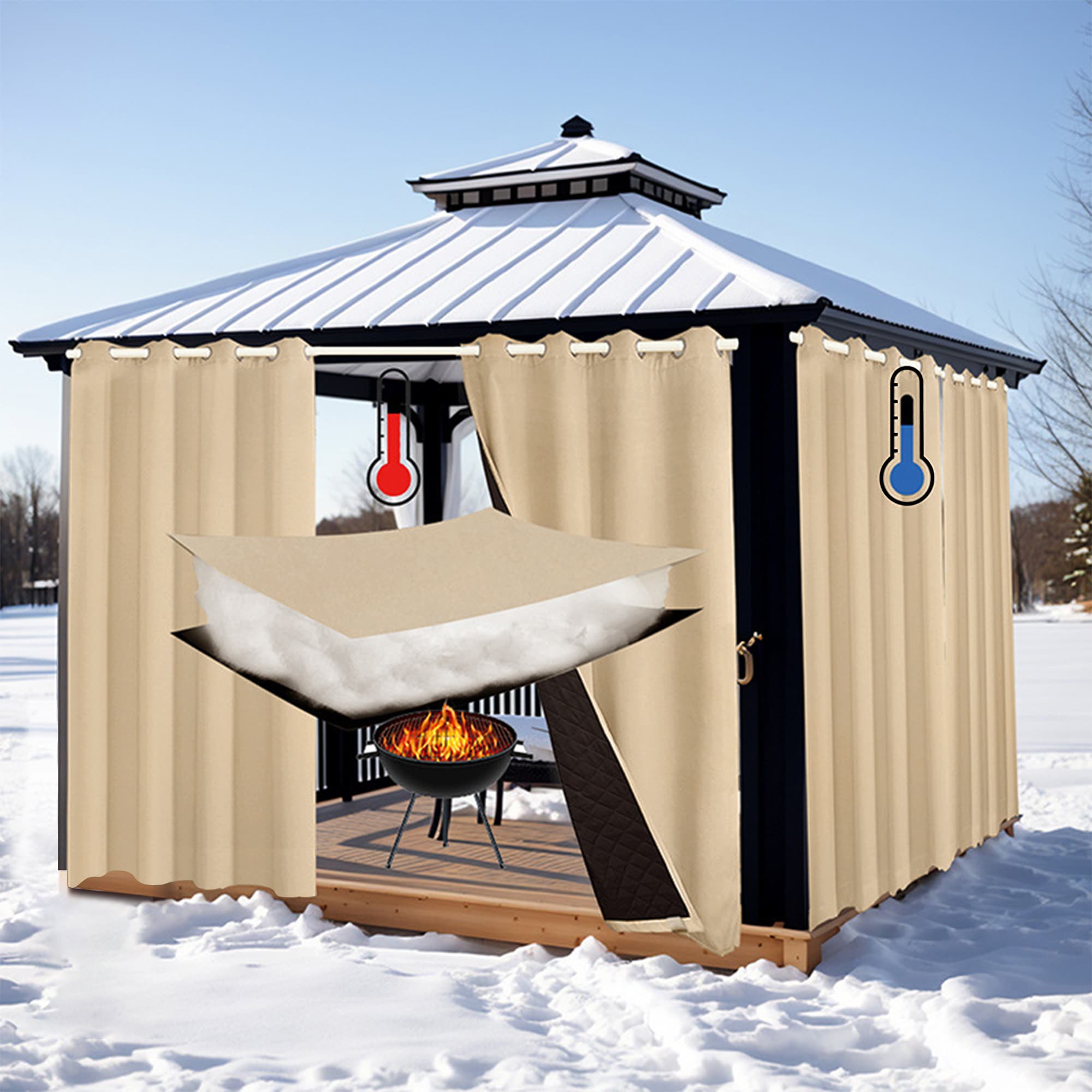
In a shopping context, thermal commonly points to a product’s relationship with temperature conditions, while insulated commonly points to a layered or constructed approach intended for that use. The precise meaning depends on the maker’s current description. Neither label, by itself, tells you how a panel will perform at every porch, patio, gazebo, or pergola.
That distinction matters because outdoor conditions are shaped by the whole setting: open sides, panel gaps, exposure, mounting method, local weather, and how often the panels are opened. Indoor phrases such as thermal insulated blackout curtains can be helpful search vocabulary, but an indoor window treatment comparison does not establish a result for a covered exterior opening.
Compare the decision factors, not just the wording
| Question to compare | Why it matters outdoors | What to verify |
|---|---|---|
| What is the intended use? | A covered gathering space, entry, or screened area can need a different panel plan. | The current product description and your actual opening. |
| How is the panel constructed? | Construction language should be read with the listed materials and care guidance. | Current materials, layers, and stated features on the product page. |
| What sizes and styles are available? | Width, drop, and attachment choices affect whether the layout can be planned cleanly. | Live option list, dimensions, and attachment details. |
| How will panels meet and move? | Overlap, stacking, and entry access affect everyday use. | Center meeting points, returns, doors, and walkways. |
| What can the structure support? | Hardware and the mounting surface influence safe operation. | Support type, attachment method, and applicable installation guidance. |
Measure before choosing a label
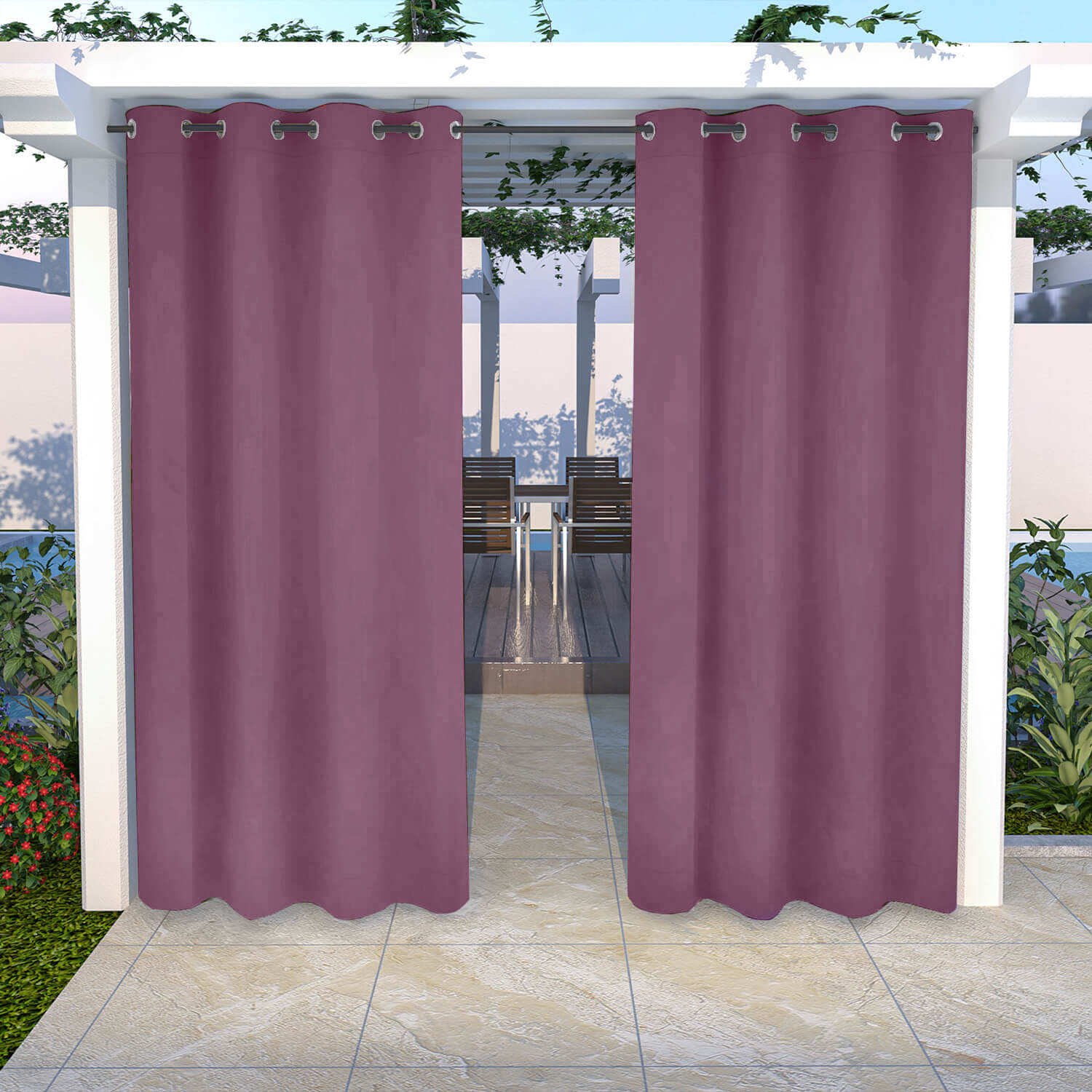
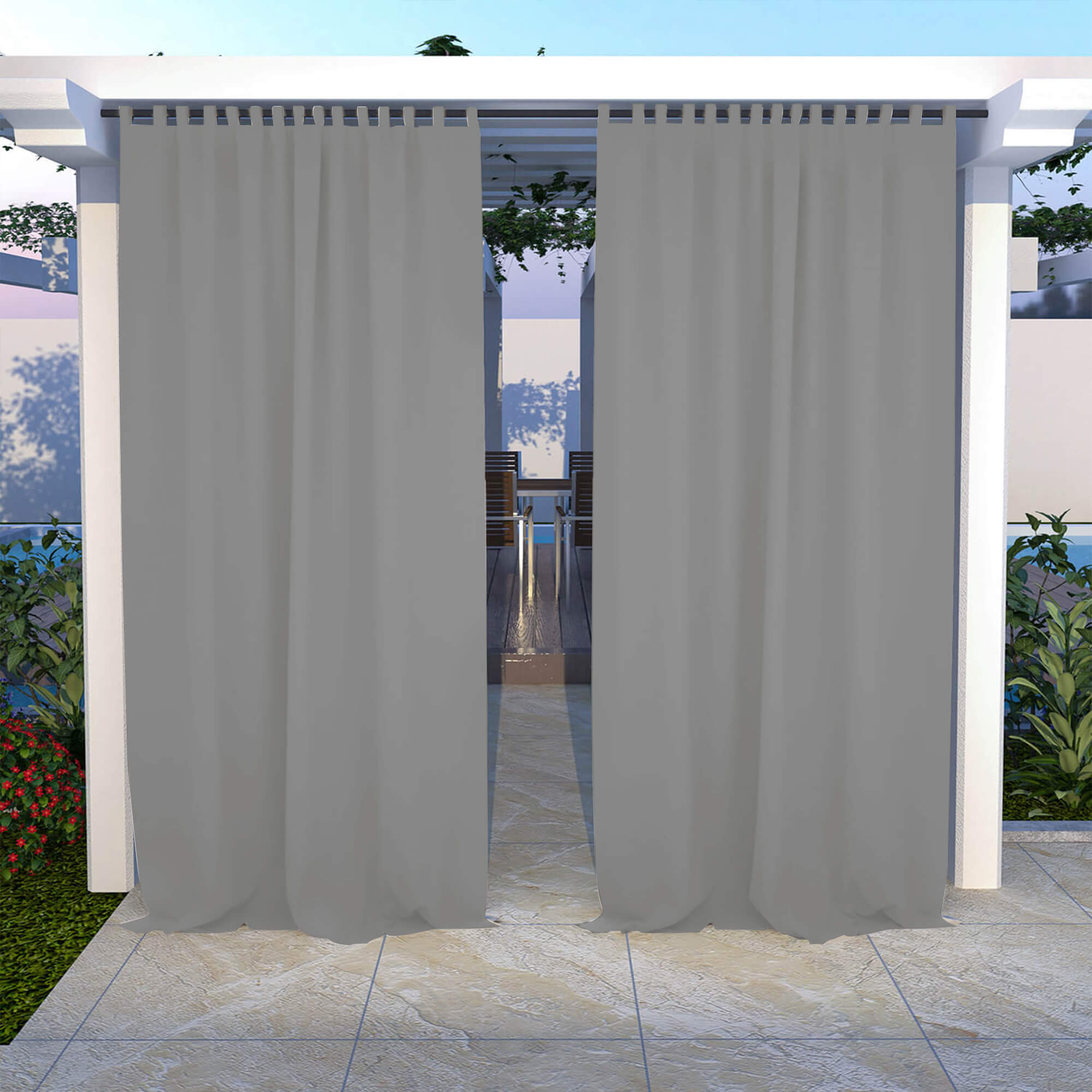
Measure at the finished mounting line rather than at a rough opening. Record the usable width, desired drop, posts, trim, railings, door swings, and any point where a panel needs to stack. If two panels meet, plan a purposeful overlap. If a side return is needed, include it in the width calculation instead of assuming one panel can cover the span exactly.
Then decide how the layout will be used. A middle passage, a grill area, or a frequently opened side changes where panels should separate and rest. This planning work applies whether a listing uses “thermal,” “insulated,” or both terms, and it helps keep the choice tied to the space rather than to a broad claim.
Read the current product page for the purchase decision
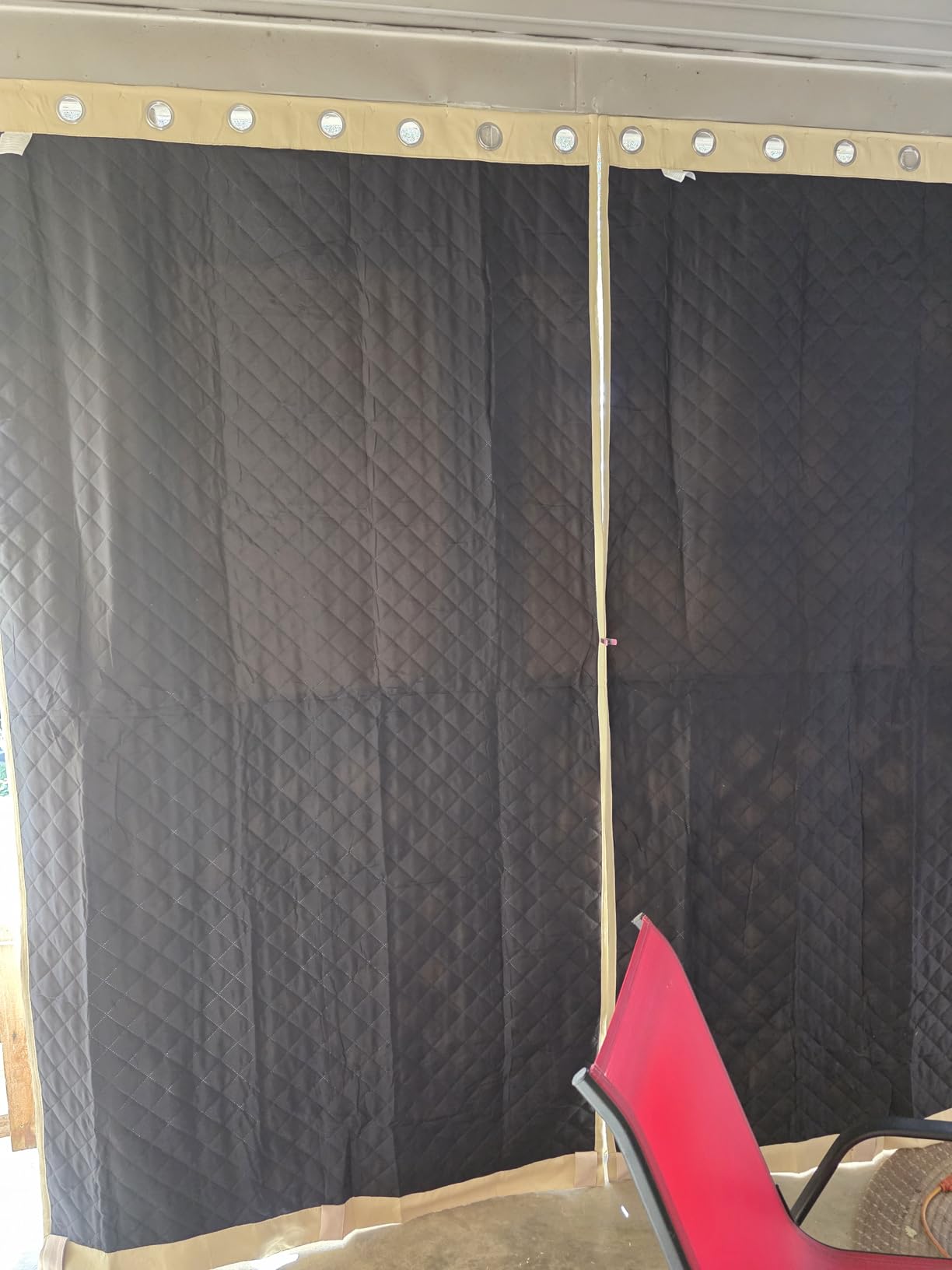
During this publishing run, the Insulated Outdoor Curtains for Winter – Raven Black page was available for review. It displayed current style and size choices, including a custom-size option. Before ordering, use the live page to confirm the option you select, measurements, materials, care information, price, availability, attachment details, and any performance statements relevant to your own installation.
Current catalog information can change. A comparison guide is useful for organizing questions, but the live product page should be the source for the details of a specific panel. This is especially important when terms such as thermal, insulated, water-resistant, wind-related, or blackout appear in search results: read the exact current listing rather than assuming the term applies in the same way to every variation or setting.
Set realistic expectations for a covered area
A thoughtful outdoor curtain plan is a system of panels, overlap, access, hardware, and structure. The product description can help you compare options, while the installation conditions determine how the setup is used day to day. Avoid treating a fabric term as a guarantee about weather, movement, light, temperature, or longevity.
If your space is seasonal, include handling and storage in the plan. Confirm the current care guidance, make sure the lower edge will not interfere with walking or drainage, and review the mounting approach for the actual surface. Those checks make the comparison more practical than a label alone.
FAQ
What should a buyer measure before ordering for this use case?
Measure the usable mounting width, desired drop, posts, trim, door swings, railings, furniture, and walkway clearance. Note where panels meet, overlap, and stack when open.
How do panel fit, overlap, and mounting affect practical performance?
They shape how the opening is covered, how people move through the space, and how the panels operate. Plan them as a group instead of expecting a fabric label to answer every installation question.
Which product claims should be verified on the current product page?
Verify current size options, materials, attachment details, care guidance, price, availability, and any stated performance information that matters to your project immediately before ordering.
Compare the panel plan with the current options
Begin with a measured sketch of your covered opening and the way people use it. Explore the Snowcity insulated outdoor curtains collection, compare the current panel options, and confirm your dimensions before ordering.
Comment