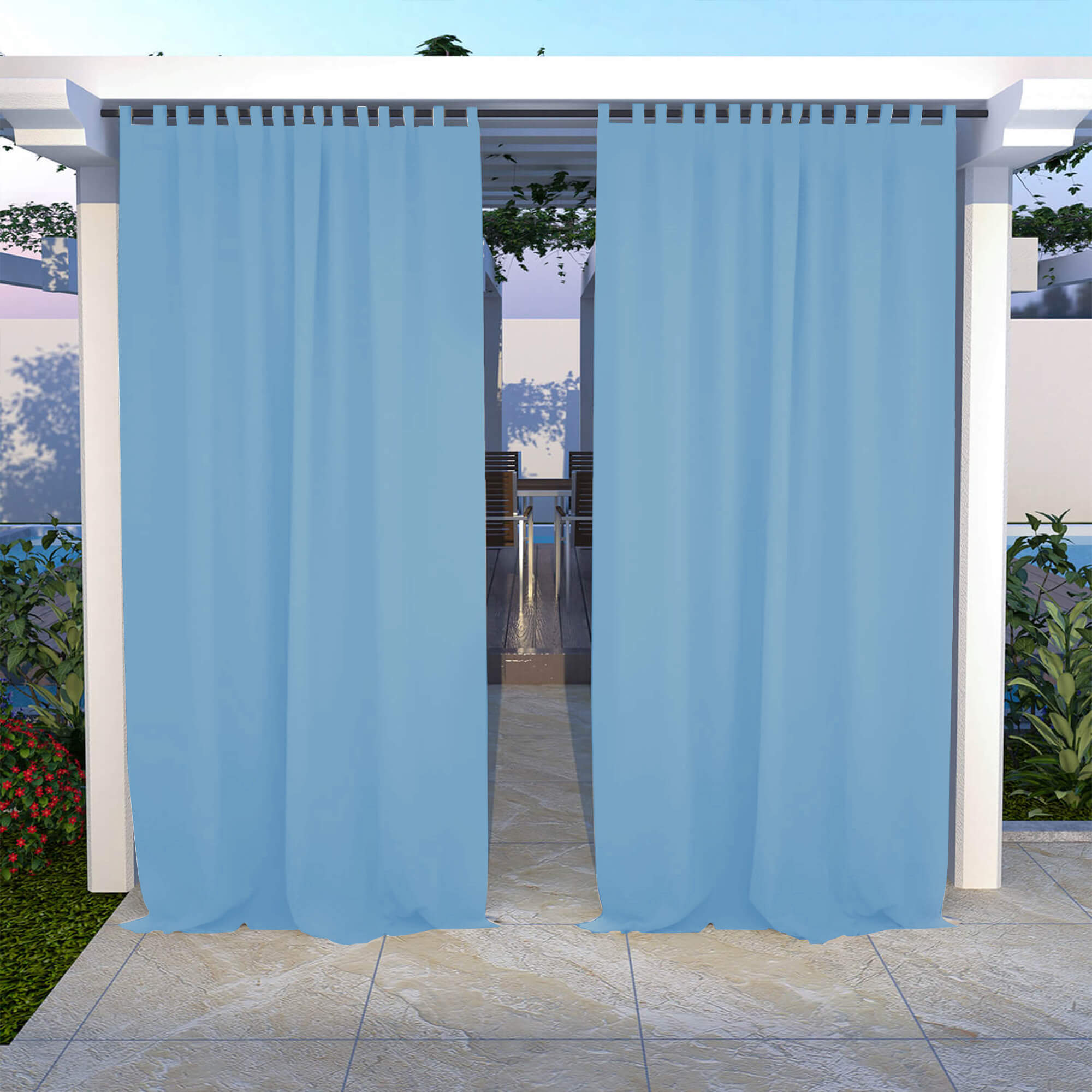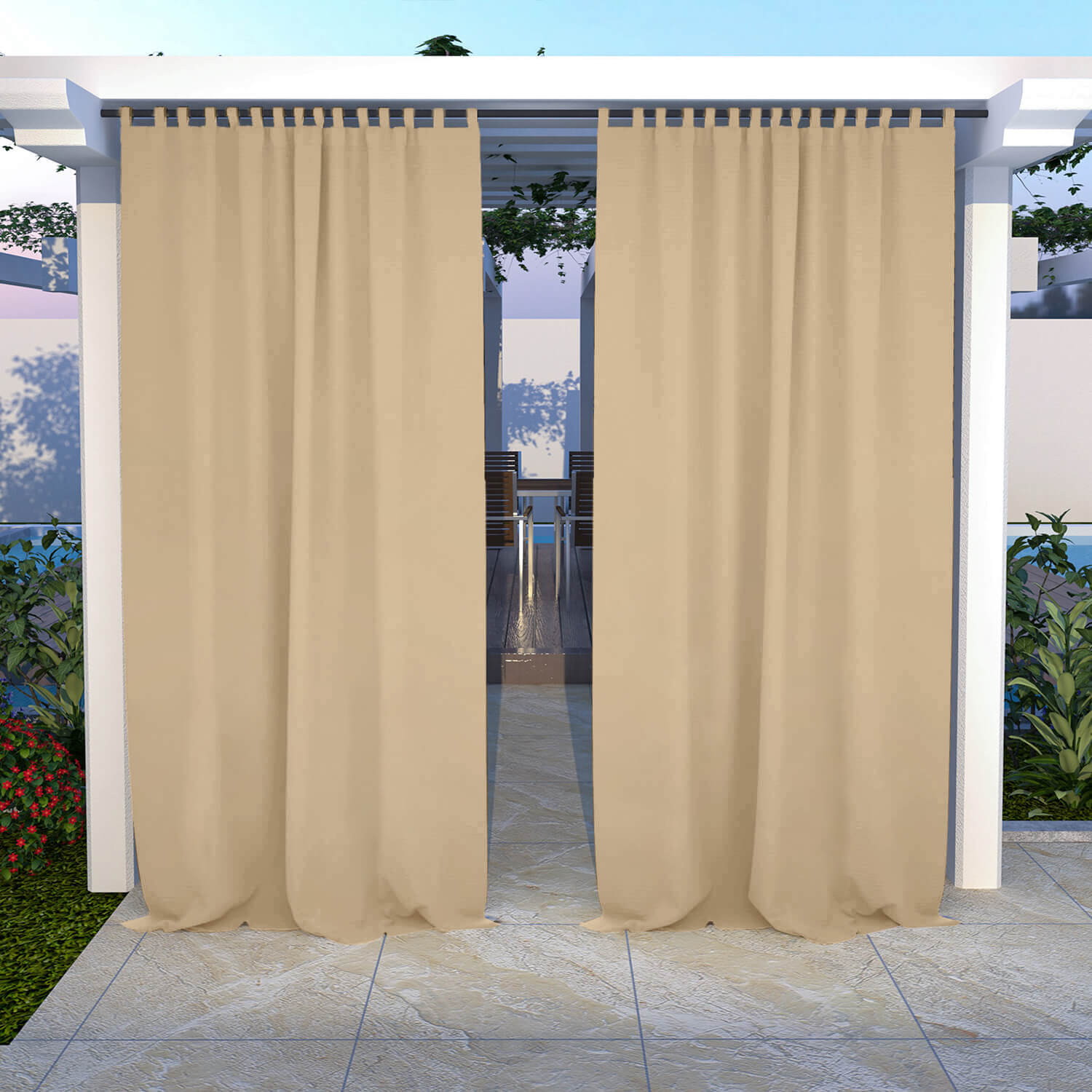
Outdoor Curtains to Keep Heat In: What Actually Works
Sep 05,2026 | Snowcity
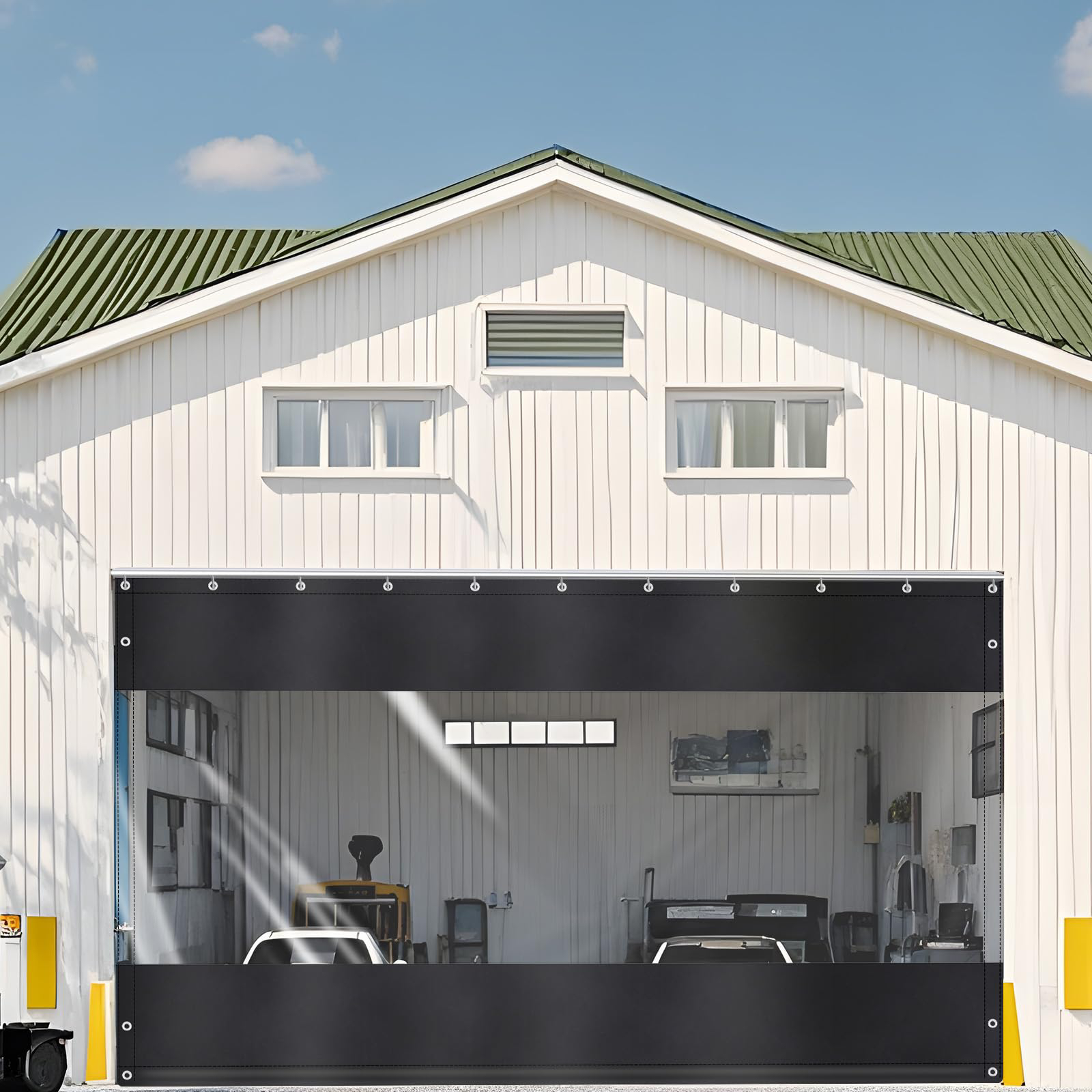
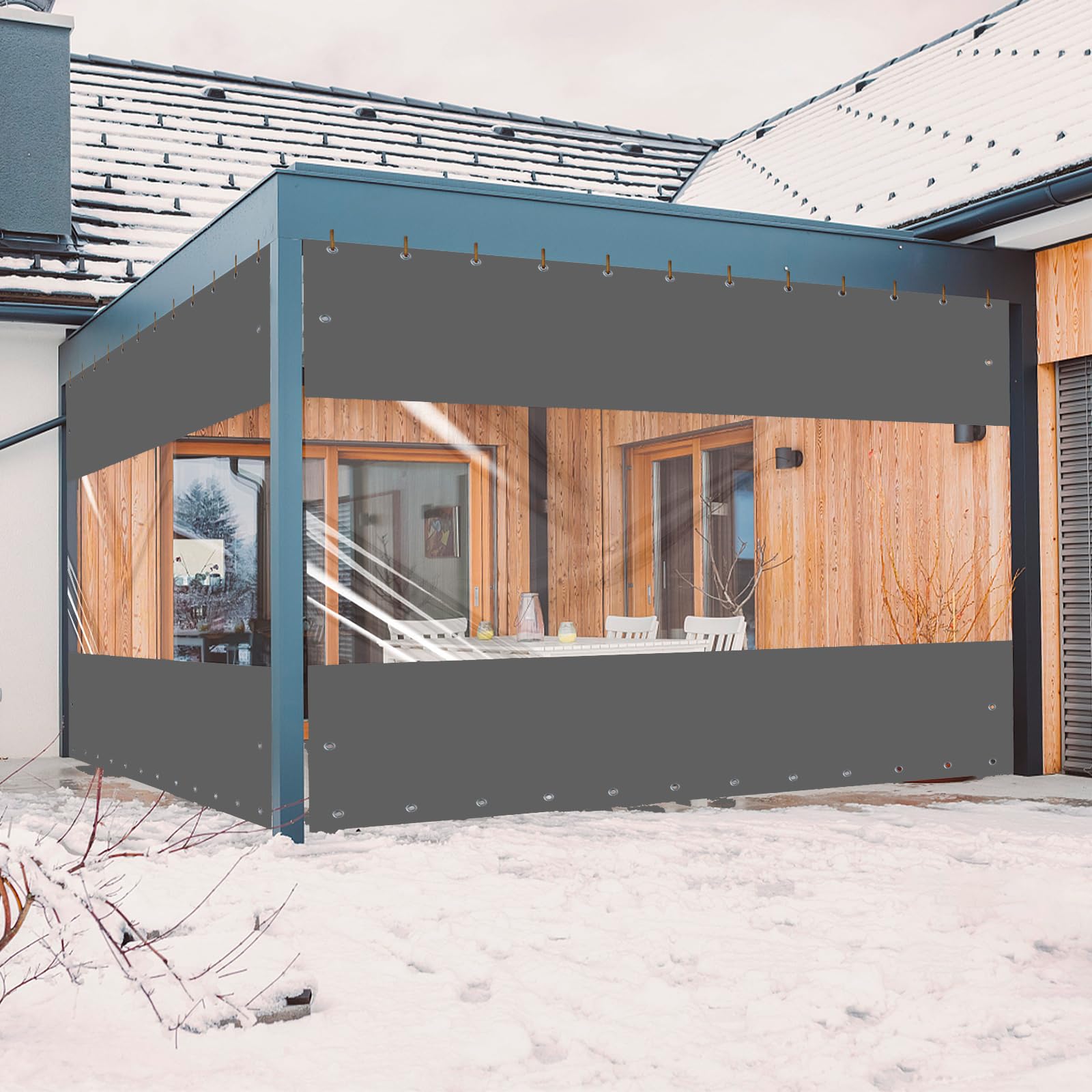
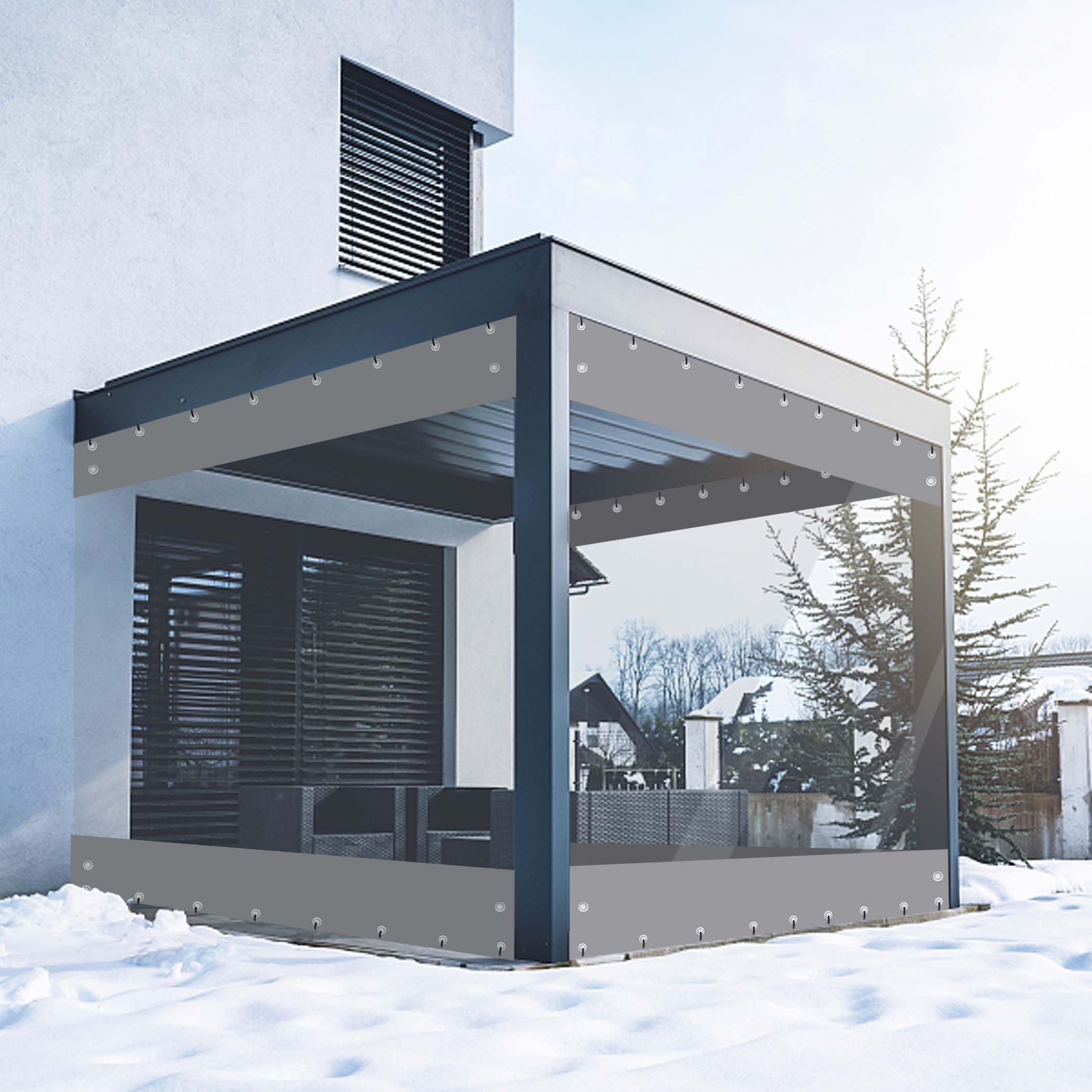
When a patio heater seems to disappear into the open air, the problem is usually not heat alone. Moving air carries warmth away, while open sides, doorways, and gaps make it harder to create a comfortable sitting area. Outdoor curtains to keep heat in can help by adding a controllable layer at a suitable opening, especially on the wind-facing side of a covered patio or pergola.
It is important to set the right expectation: a curtain is not a heater, a sealed wall, or a guarantee of a particular temperature. Its practical role is to help limit direct drafts and define a more protected zone. The final result depends on the structure, curtain fit, wind, roof coverage, and safe use of any heating equipment. The Snowcity Insulated Outdoor Curtains for Winter collection can help you compare options while planning that wider system.
Can outdoor curtains keep heat in?
They can help reduce the effect of wind at an opening, but they do not trap heat the way an insulated indoor room does. A panel that is placed where air is moving through a seating area may make that area feel less exposed. In contrast, a curtain that is too narrow, mounted far above the opening, or left open at the wind-facing edge will have a more limited effect.
Think of the curtain as one part of a winter comfort plan. A covered top, thoughtful furniture placement, a safe heater location, and a clear path for entering and leaving all matter. Outdoor conditions change quickly, so a flexible panel that can be opened, closed, or secured as needed is often more useful than trying to turn an outdoor space into an airtight enclosure.
Why wind control matters on a heated patio
Wind can make a heated outdoor space feel cooler by moving air through the area and around people seated near an exposed edge. Closing a curtain across a suitable side can reduce that direct flow and help keep the seating zone more defined. The best placement is often the opening that faces prevailing wind, rather than every side of the patio.
Before selecting a panel, stand in the space on a typical cool day and note where you feel the draft. Look at the roof line, posts, railings, doors, and the route people take from the house. This simple check helps distinguish an opening that benefits from a curtain from one that must remain clear for access or ventilation.
Fit the curtain to reduce avoidable gaps
Small details at the edges make a noticeable difference in how a curtain performs as a wind-control layer. Measure the opening width and mounting height, then consider how the panel will gather when closed and stack when open. Check the current product listing for available dimensions, installation guidance, and care information before ordering.
- Side gaps: Plan where panels meet posts or each other. A panel that ends well short of a wind-facing edge leaves an easy path for air.
- Bottom clearance: Keep the hem practical for the deck, patio, or drainage surface. Avoid dragging fabric through standing water, ice, or a walking path.
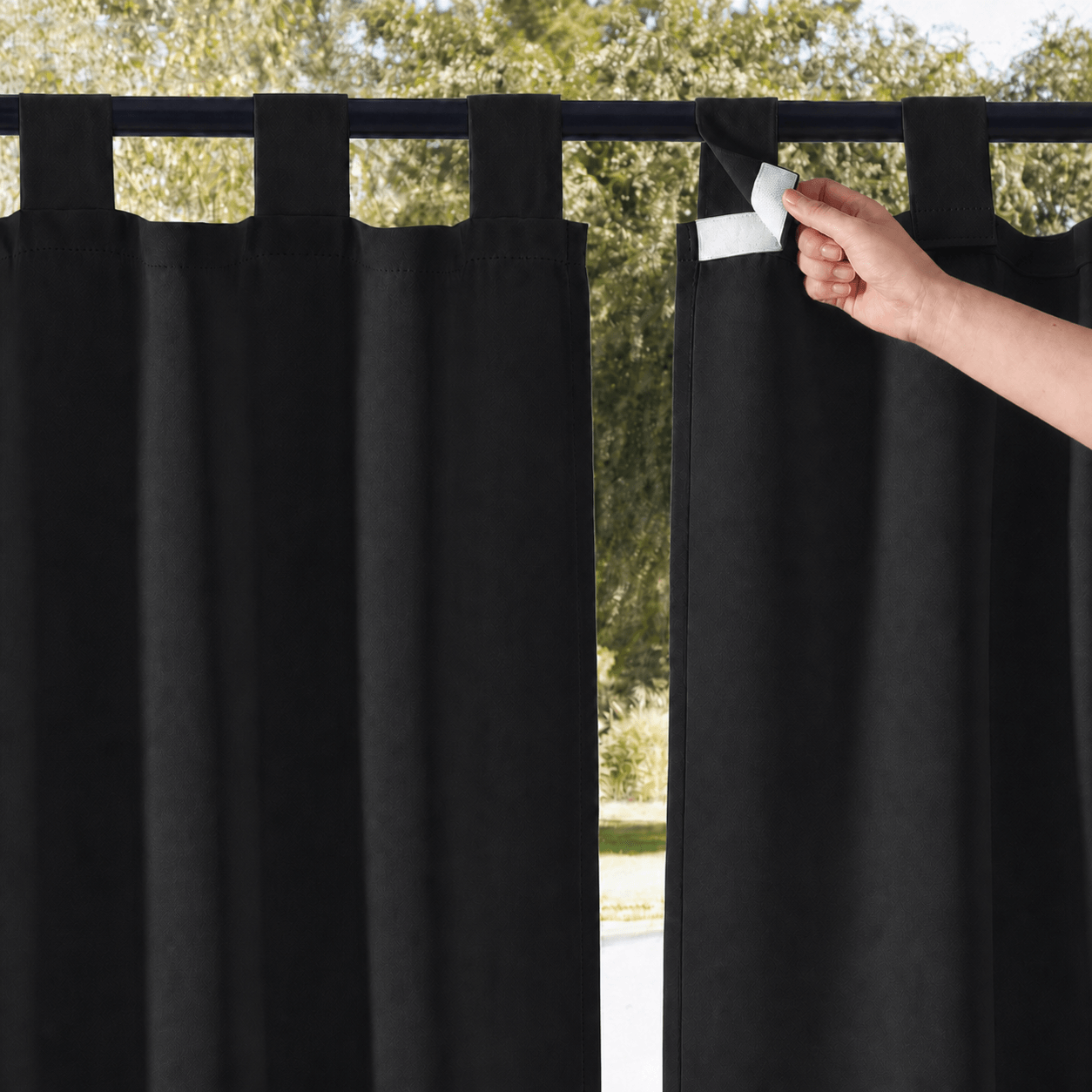
- Top mounting: Use a stable, appropriate mounting surface and follow the supplied hardware guidance. A covered mounting point can also help protect the panel from direct exposure above.
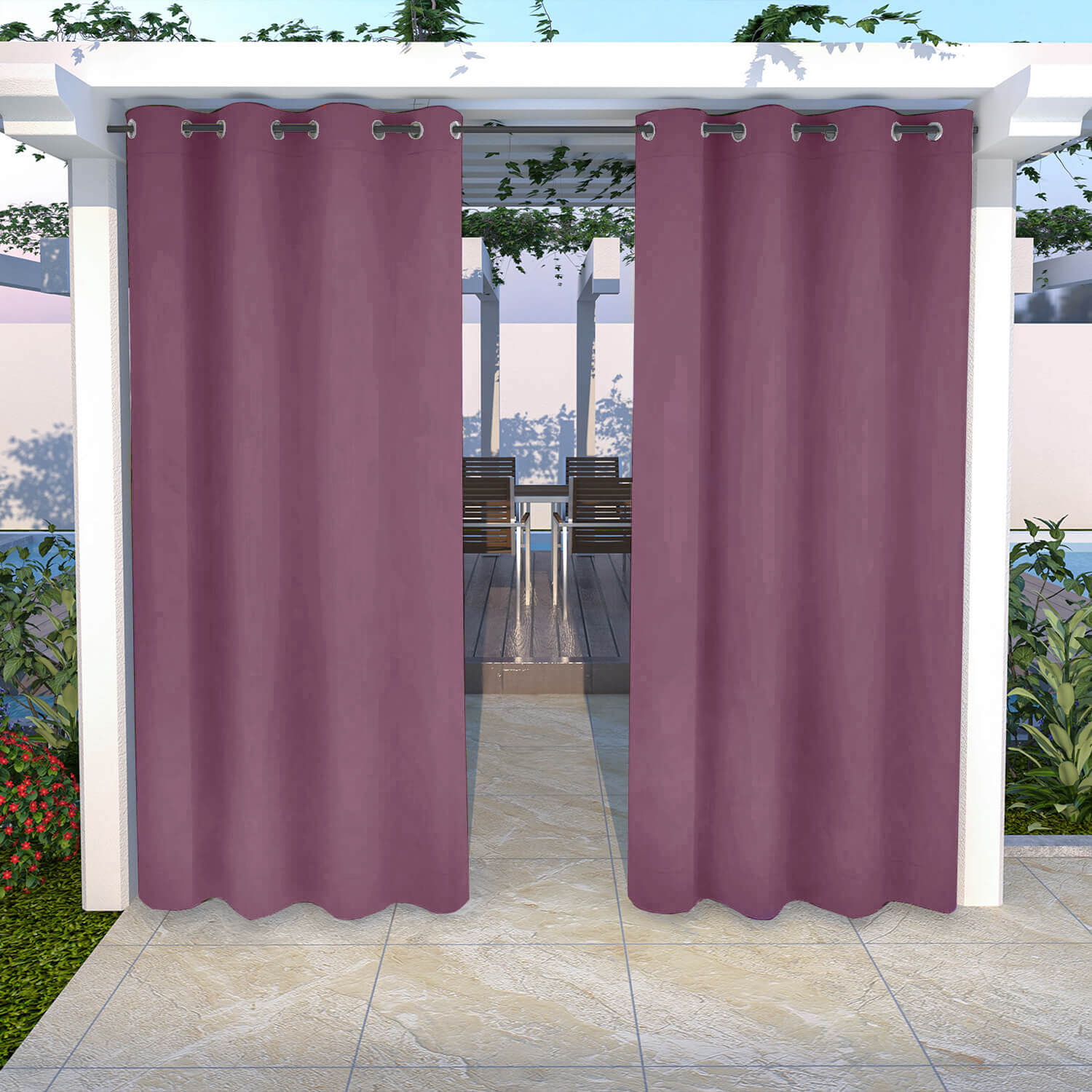
- Openings and access: Paired panels or a panel held to one side can preserve a clear route. Do not cover an exit, stair, door threshold, or required access path.
A close fit is not the same as a sealed enclosure. Normal movement, hardware clearances, drainage needs, and access routes still create openings. Designing around those realities is safer and more useful than relying on an unsupported promise of complete heat retention.
Use insulated curtains as part of the setup
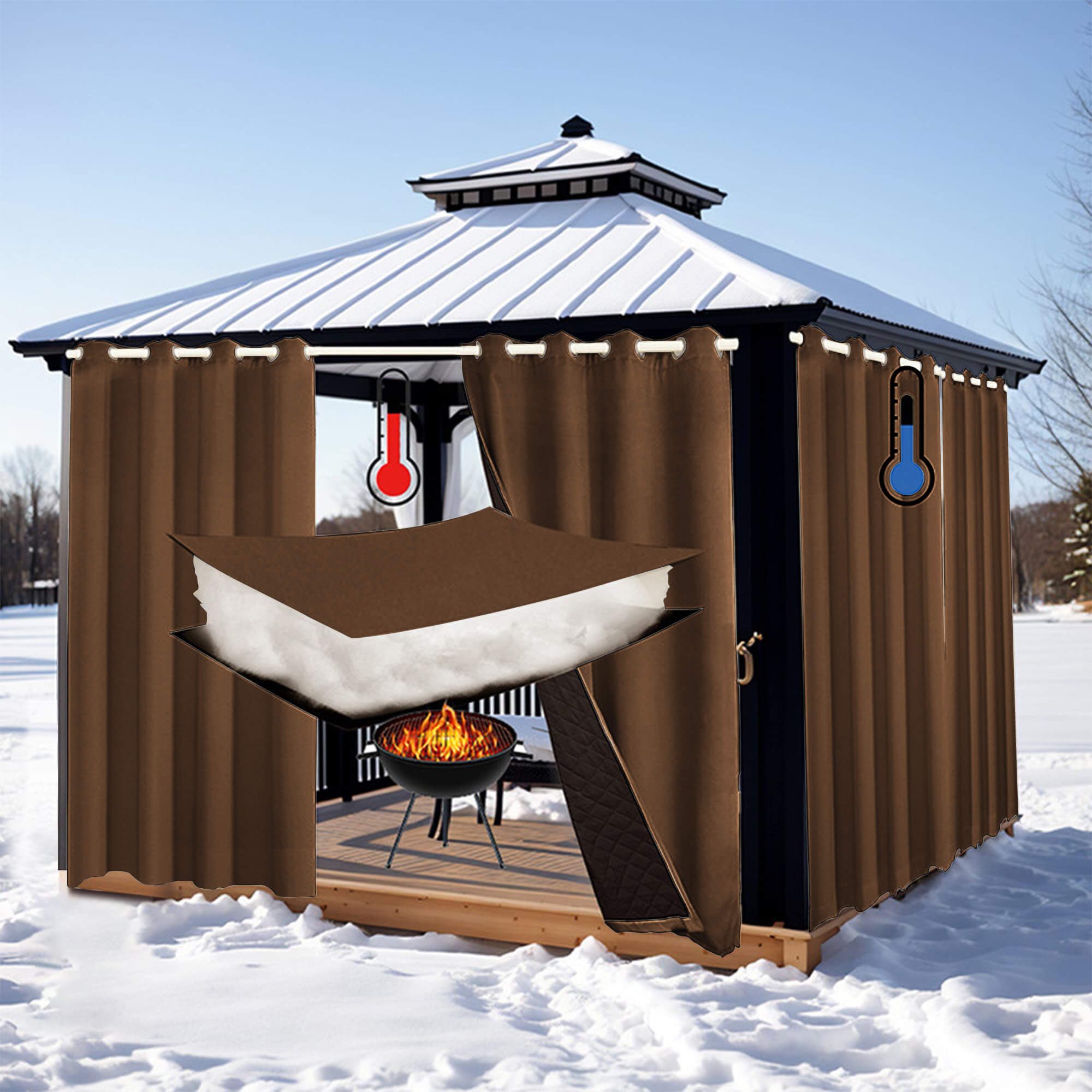
Insulated or layered construction can be a relevant consideration for a winter-facing patio, but material alone does not determine comfort. The structure around it, where the panel is installed, and how it is used in changing weather are equally important. For a product-level view, visit Snowcity Insulated Outdoor Curtains for Beige and review the current description, dimensions, and installation details for your opening.
A practical layout may use one panel on the most exposed side of a covered patio, or paired panels across a pergola bay. Keep enough space for the fabric to be secured when open and for people to move through the area without catching the panel. If wind rises or conditions become severe, follow product guidance and secure or draw back the curtain as appropriate.
Heater safety and ventilation come first
Outdoor curtains do not make it safe to use heating equipment in an unsuitable location. Follow the heater manufacturer’s instructions and all local requirements for outdoor use, clearance, ventilation, fueling, and supervision. Keep fabric, tie-backs, furniture, decorations, and other combustible materials well away from heaters, fire pits, grills, candles, and any open flame.
Do not use curtains to close off ventilation around a heater, and never rely on fabric panels to contain heat or exhaust. Maintain clear exits and walkways, keep cords and fuel sources managed, and stop using the setup if weather or equipment conditions make it unsafe. If you are unsure about heater placement, consult the heater documentation or a qualified local professional.
Frequently asked questions
Will outdoor curtains make my patio warm?
No curtain can guarantee warmth. A well-placed panel may help reduce direct wind exposure in a covered outdoor area, but the outcome varies with gaps, weather, structure, and any safely used heating source.
Should I close every side of my patio?
Not necessarily. Start with the most exposed opening and keep access, exits, and ventilation clear. A targeted layout is often more practical than closing every side.
How close can a curtain be to a patio heater?
Use the heater manufacturer’s required clearances and keep all fabric and other combustible materials outside them. Do not guess, and do not reduce ventilation by enclosing the heater with curtains.
What should I check before winter installation?
Measure the opening, confirm a stable mounting surface, identify wind direction, plan panel storage when open, and check the route around doors and steps. Review the current product and hardware instructions before installation.
Use insulated outdoor curtains to help protect a heated patio area by addressing the opening where wind is most disruptive. Start with measurements, preserve safe clearances, and explore the Insulated Outdoor Curtains for Winter collection for a practical winter setup.
Comment