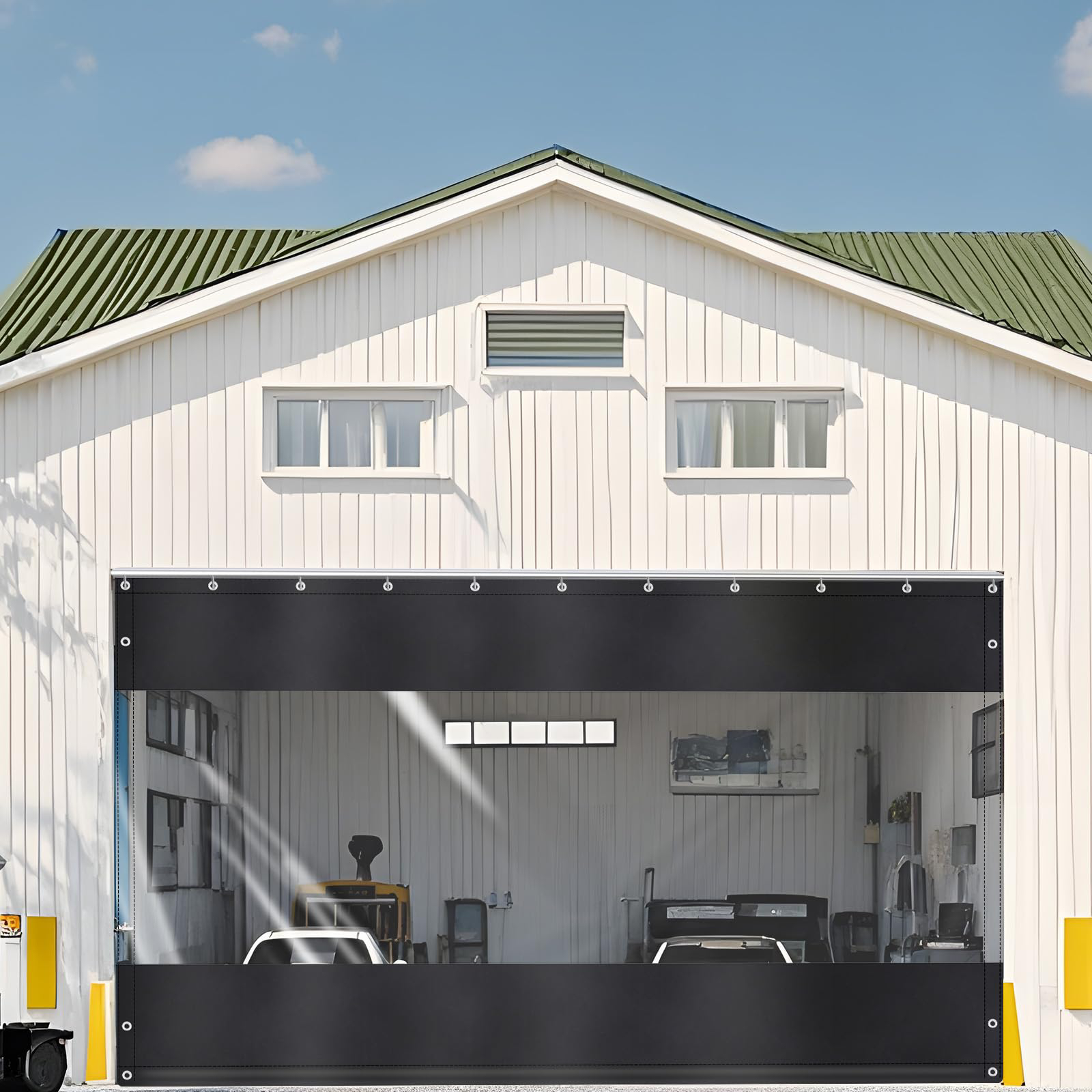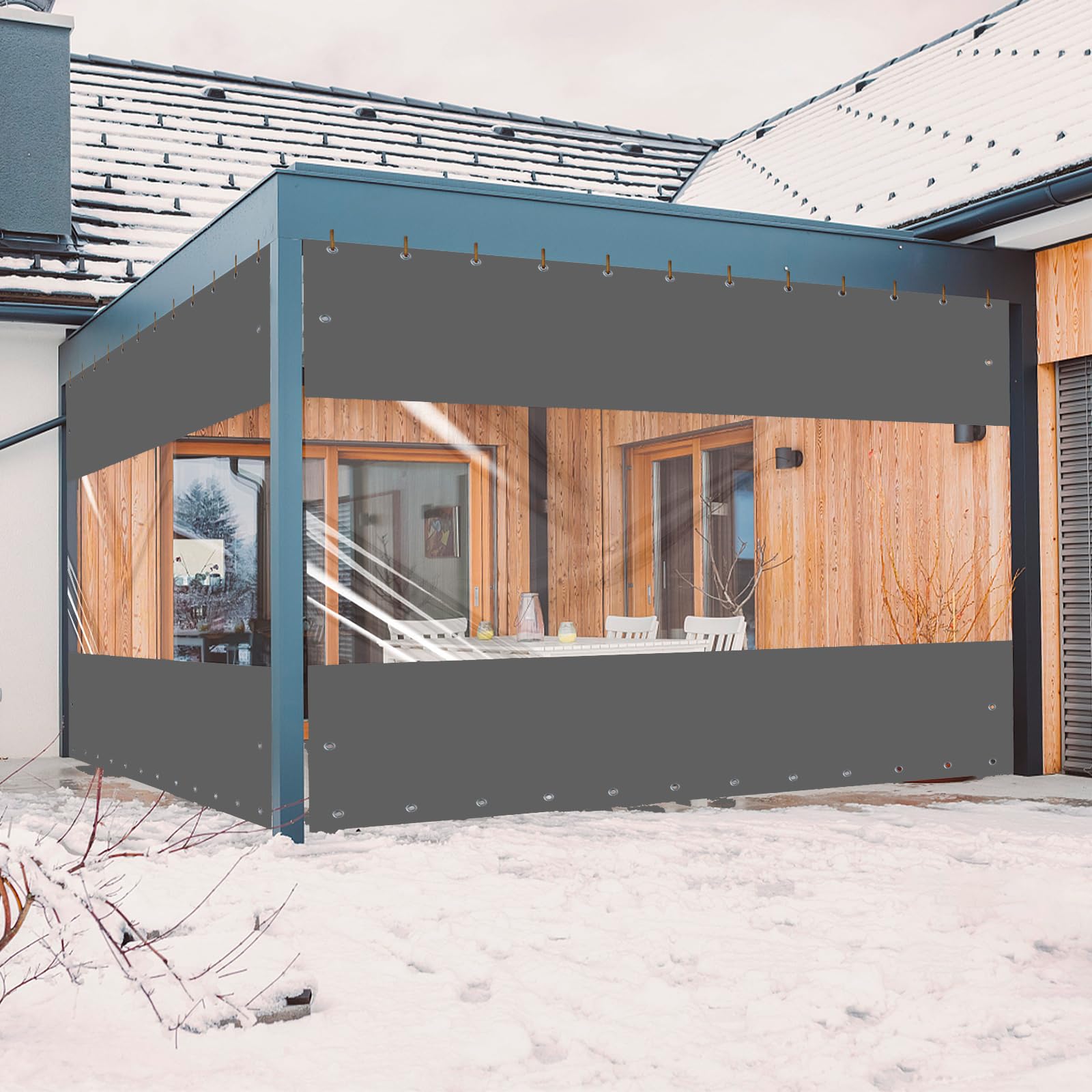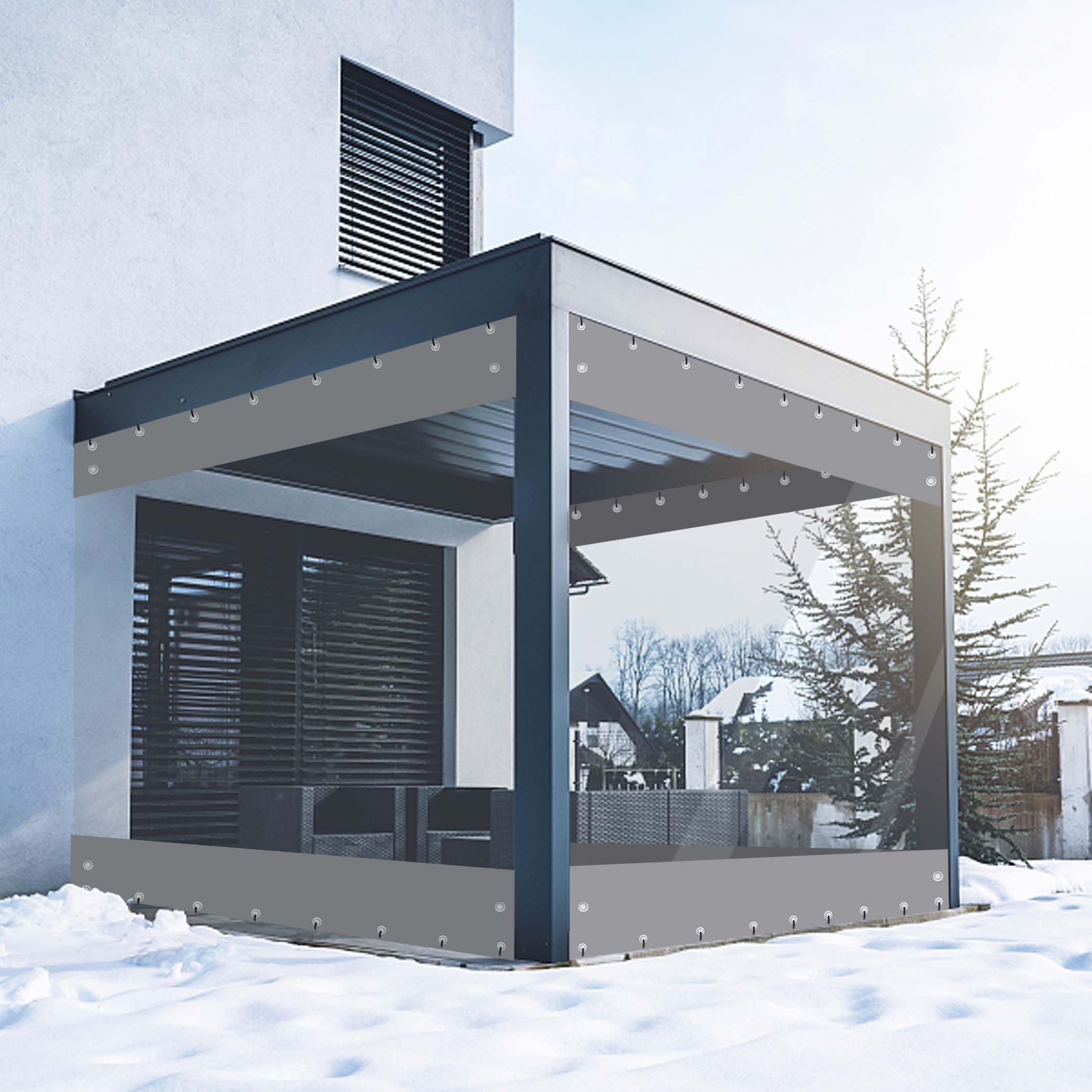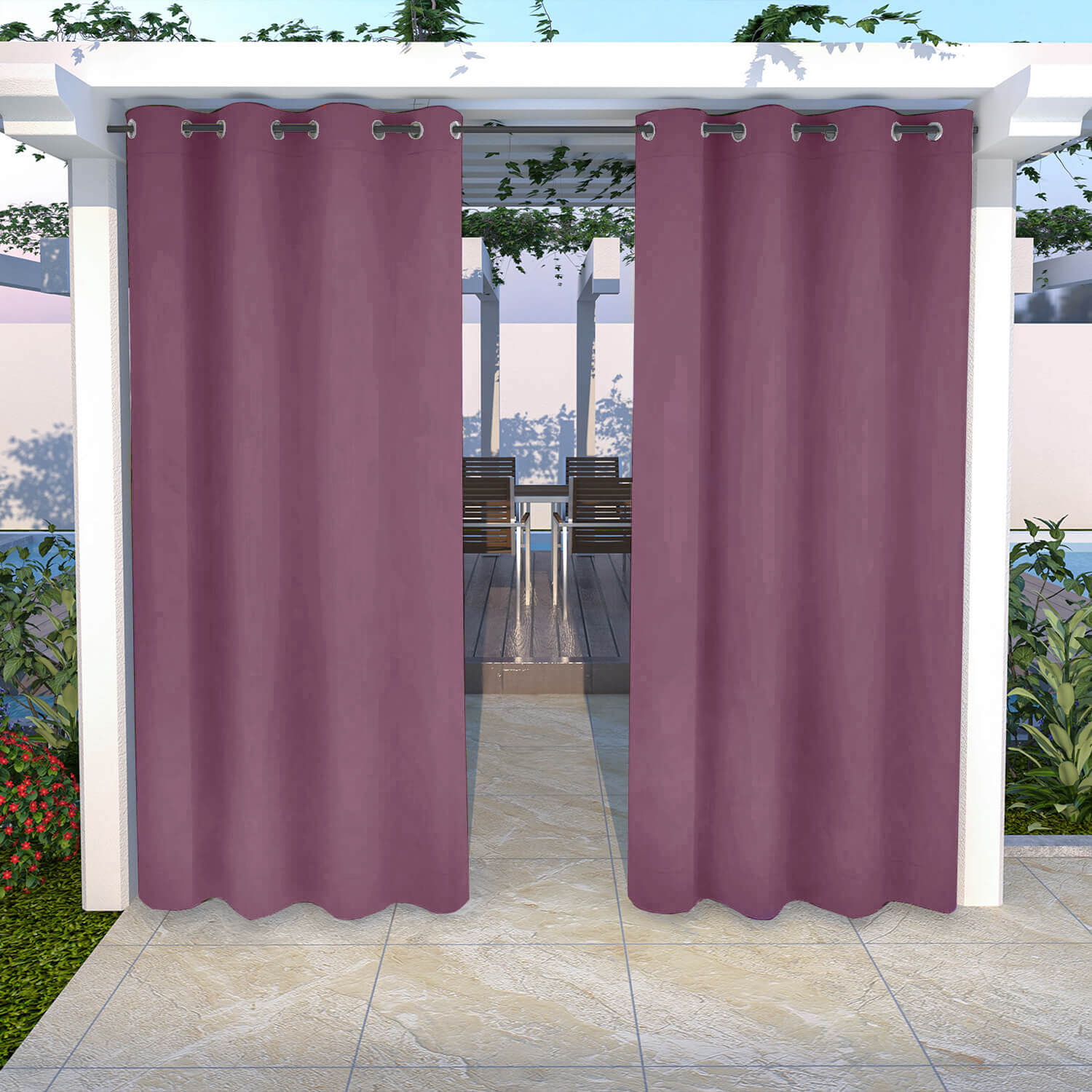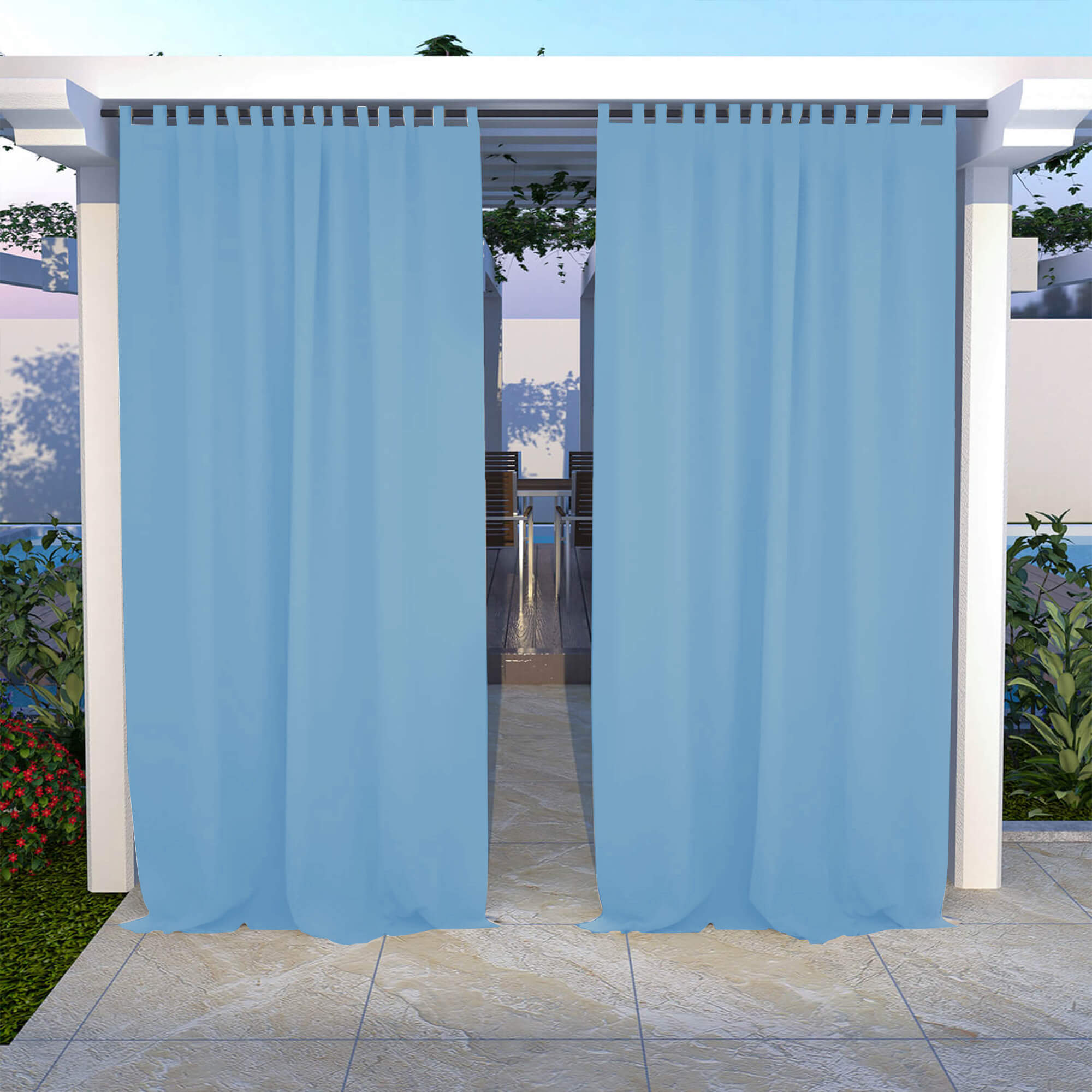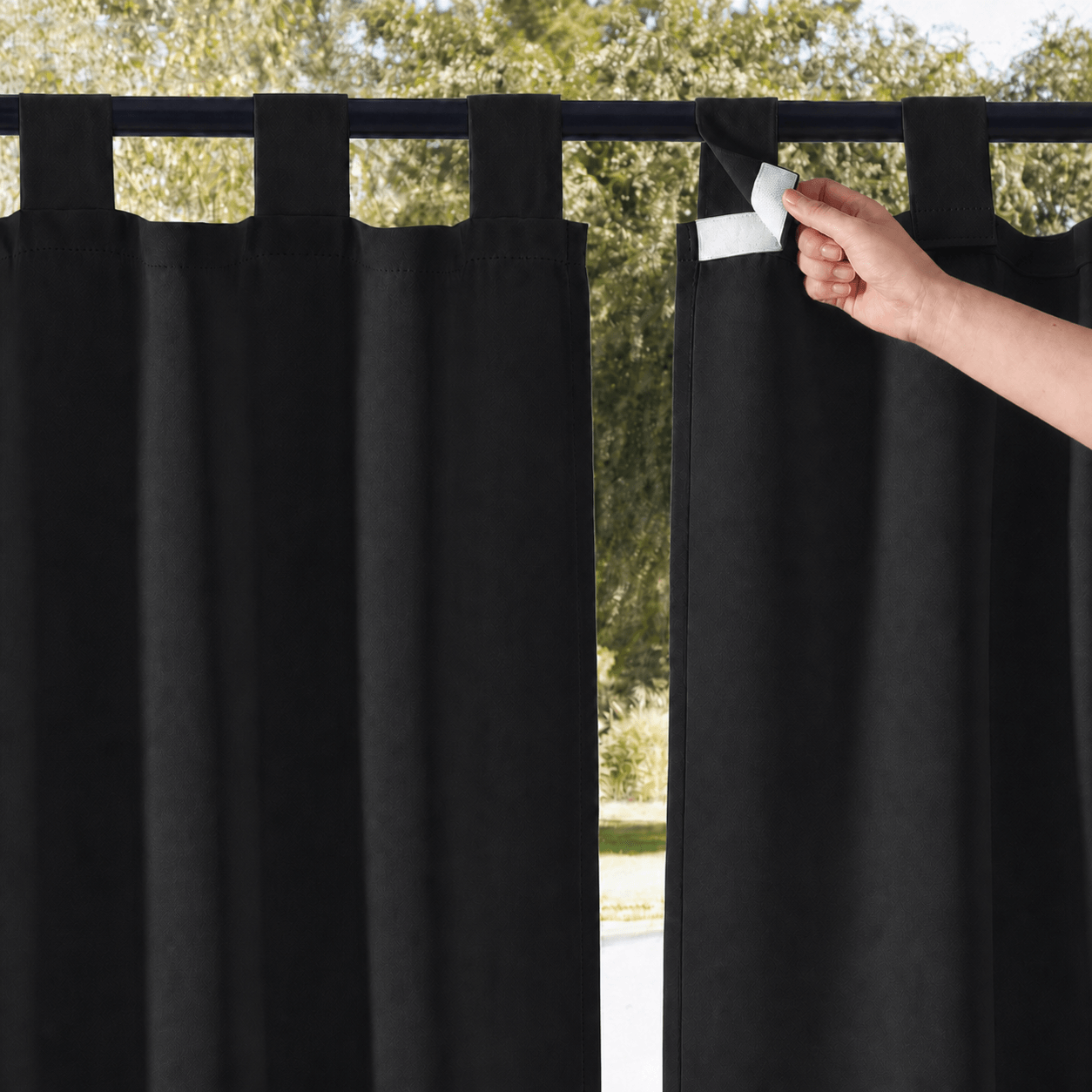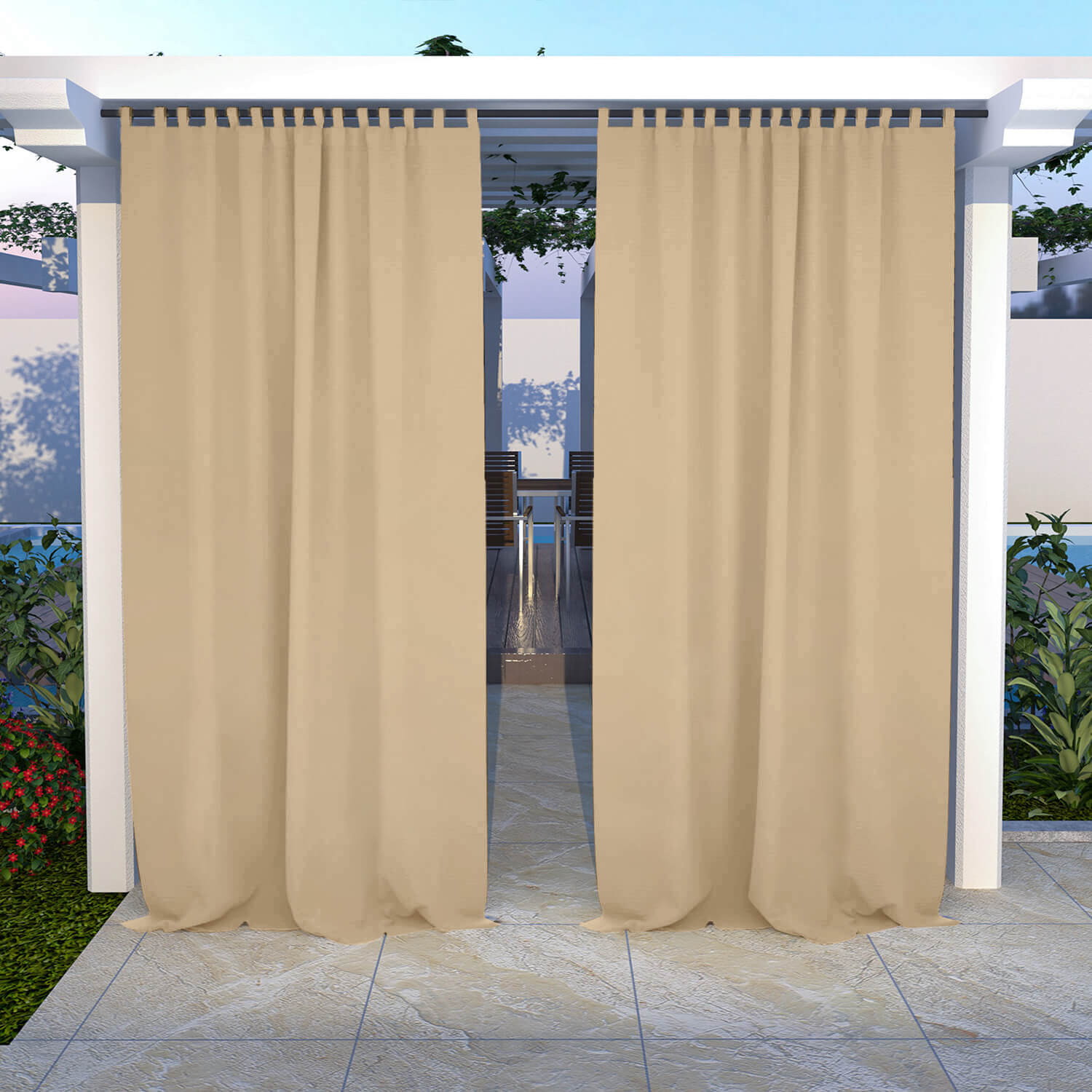

Outdoor curtains can make a porch, pergola, or gazebo feel more private and finished, but the installation matters as much as the fabric. The right hardware, enough support points, and a practical wind plan help panels slide smoothly instead of sagging or blowing into the space.
Start with hardware that suits the structure
Before choosing a rod or track, identify what you are mounting into. Solid wood posts, metal pergola framing, masonry, and a ceiling beam each need compatible fasteners. Mounting hardware into a sound structural surface is more dependable than relying on thin trim or decorative cladding.
For many outdoor setups, a rust-resistant rod with brackets at regular intervals is a straightforward choice. Use a center support on longer spans and follow the hardware maker’s load guidance. Stainless steel, powder-coated metal, or other weather-suitable components are sensible choices for exposed areas.
Should you use a rod, track, or cable?
- Rod: A good fit for individual openings and a traditional curtain look. Choose a diameter and bracket spacing appropriate for the span and panel weight.
- Track: Useful when panels need to glide across a wider opening or turn a corner. A track can keep the top line neat, but it still needs secure mounting and compatible outdoor-rated gliders.
- Cable: Can work for light panels in sheltered locations. It may tension over time, so inspect fittings regularly; it is not a substitute for robust hardware in a windy opening.
For help selecting the panel dimensions before ordering, see our outdoor curtain size guide for pergolas.
Set the mounting height and width
Hang the rod or track high enough to clear the finished floor while allowing the panel to cover the opening. Measuring from the mounting point to the floor, rather than only measuring the opening, prevents a surprise once rings, hooks, or headers are added.
Extend the hardware beyond each side of the opening when possible. Extra width lets the panels stack off the view when open and gives better coverage when closed. Check that there is room for end caps, brackets, and the full stack of fabric before drilling.
Keep outdoor curtains from blowing around
Wind control works best as a combination of small measures rather than one oversized fix. Tiebacks keep panels clear when they are open. When panels are closed, use suitable holdbacks, clips, or bottom weights designed for the curtain and setting. On a screened or especially breezy side, adding a second point of restraint near the bottom can reduce movement.
Do not assume any curtain setup is safe in strong winds. For guidance on planning for privacy without ignoring exposure, read our privacy and wind guide.
Safety and seasonal checks
Open or secure the panels before storms, high-wind forecasts, or when the space will be unattended. Inspect rods, brackets, screws, and ties after severe weather and retighten or replace damaged hardware. Keep fabric clear of grills, heaters, open flames, and other heat sources. In a seasonal climate, removing or securing panels during the harshest conditions can reduce unnecessary wear.
Frequently asked questions
What hardware works for outdoor curtains?
Use hardware rated for the environment and attached to a stable structural surface. A supported outdoor rod or track is generally more practical than an unsupported long span.
How high should outdoor curtains be hung?
Mount high enough for the finished panel to clear the floor and cover the opening. Include rings, hooks, and the curtain header in your measurement.
Do tiebacks and weights really help?
Yes. Tiebacks organize open panels, while compatible weights or restraints can limit movement when panels are closed. They do not eliminate the need to secure curtains before severe weather.
Build a more secure outdoor setup
A measured layout and secure hardware make everyday use easier. Shop Snowcity Outdoor Curtains and pair your panels with a secure outdoor setup that suits your space and local conditions.