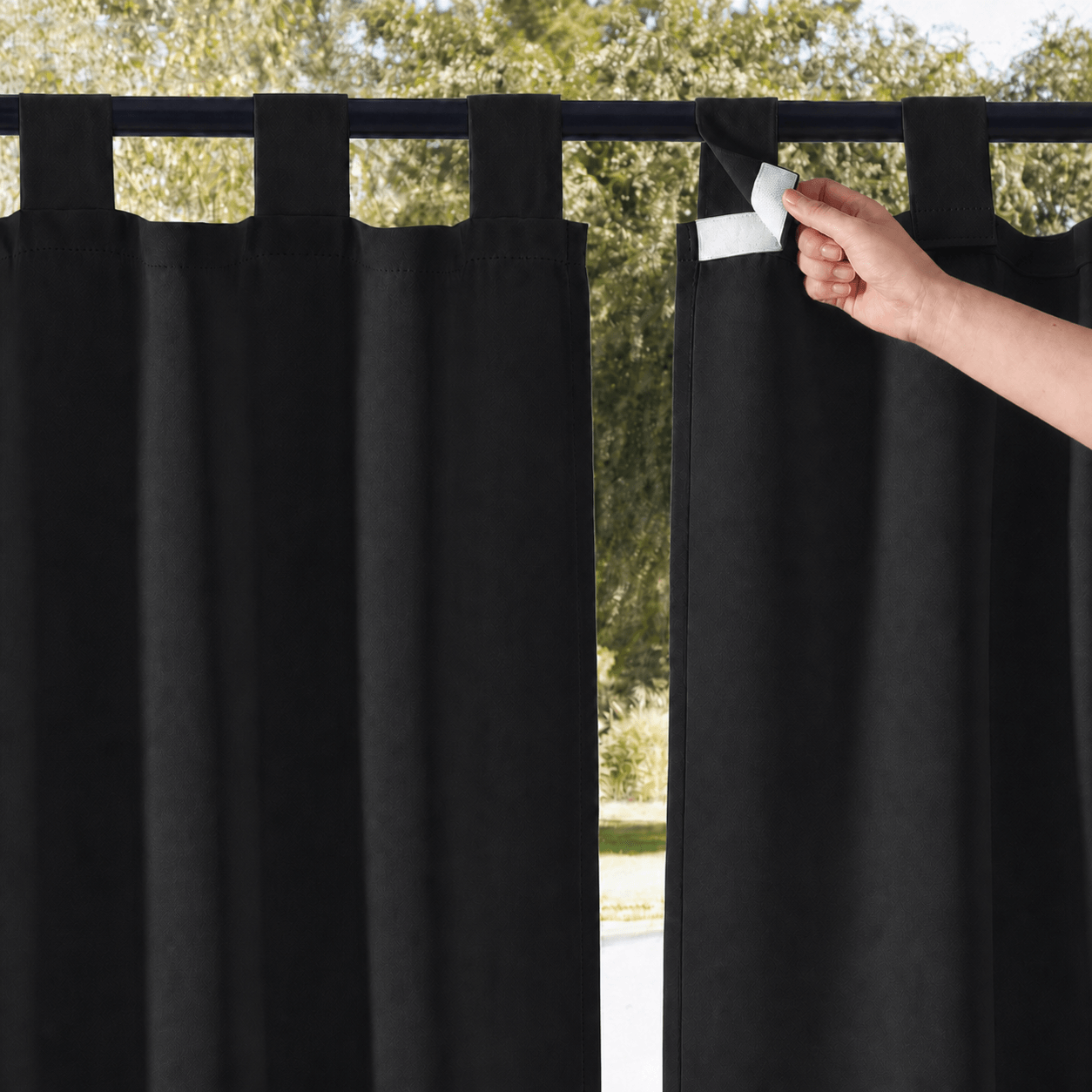
Outdoor Waterproof Thermal Curtains: What Buyers Should Know
Sep 02,2026 | Snowcity
Outdoor waterproof thermal curtains can be a practical choice when a patio, porch, gazebo, or balcony needs more comfort during cool, damp weather. The important point is to read “waterproof” as a fabric or construction feature—not as a promise that a curtain will turn an open outdoor area into a fully sealed room. A well-chosen panel can help manage exposure at an opening, but roof leaks, standing water, and wind-driven rain around the edges still need their own solutions.
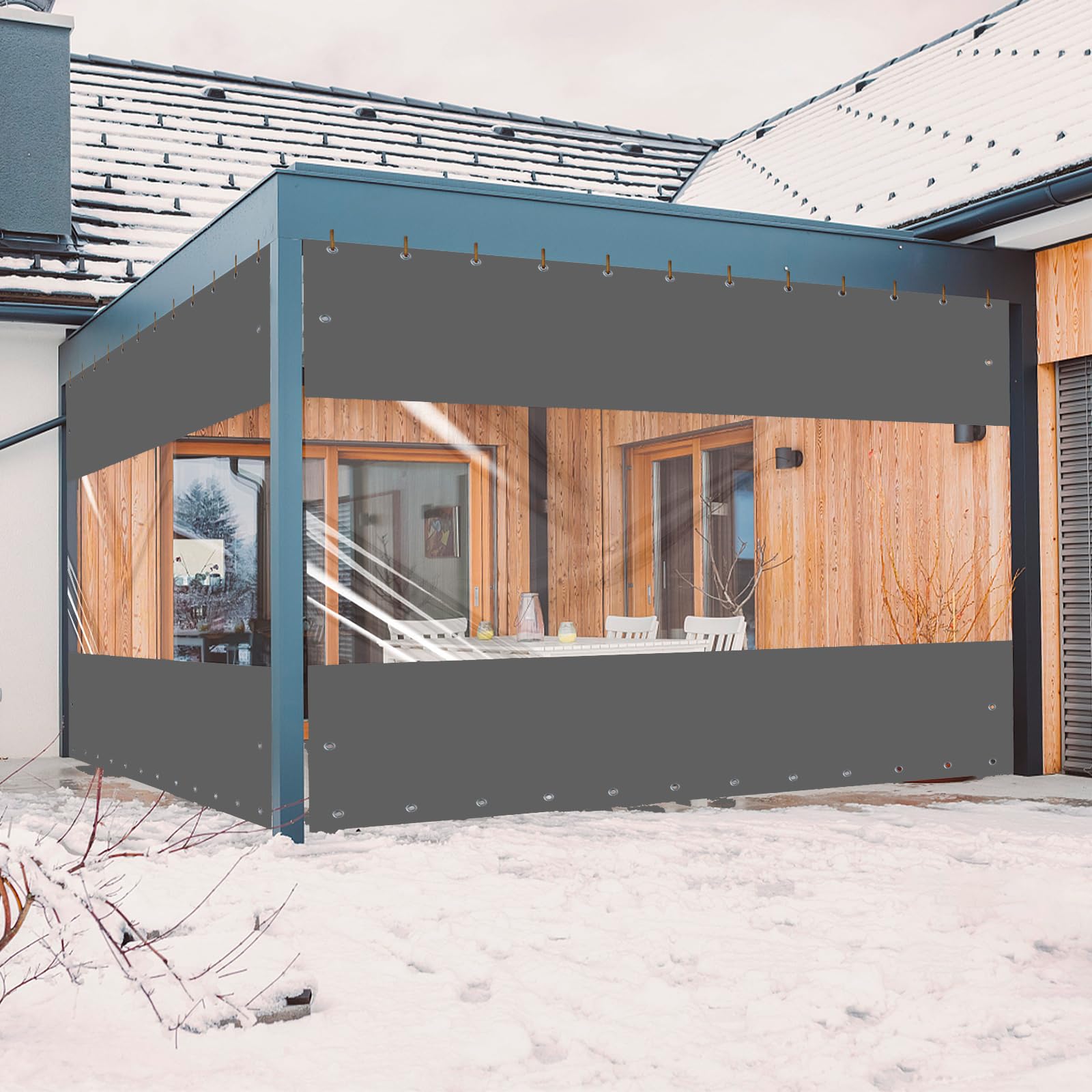
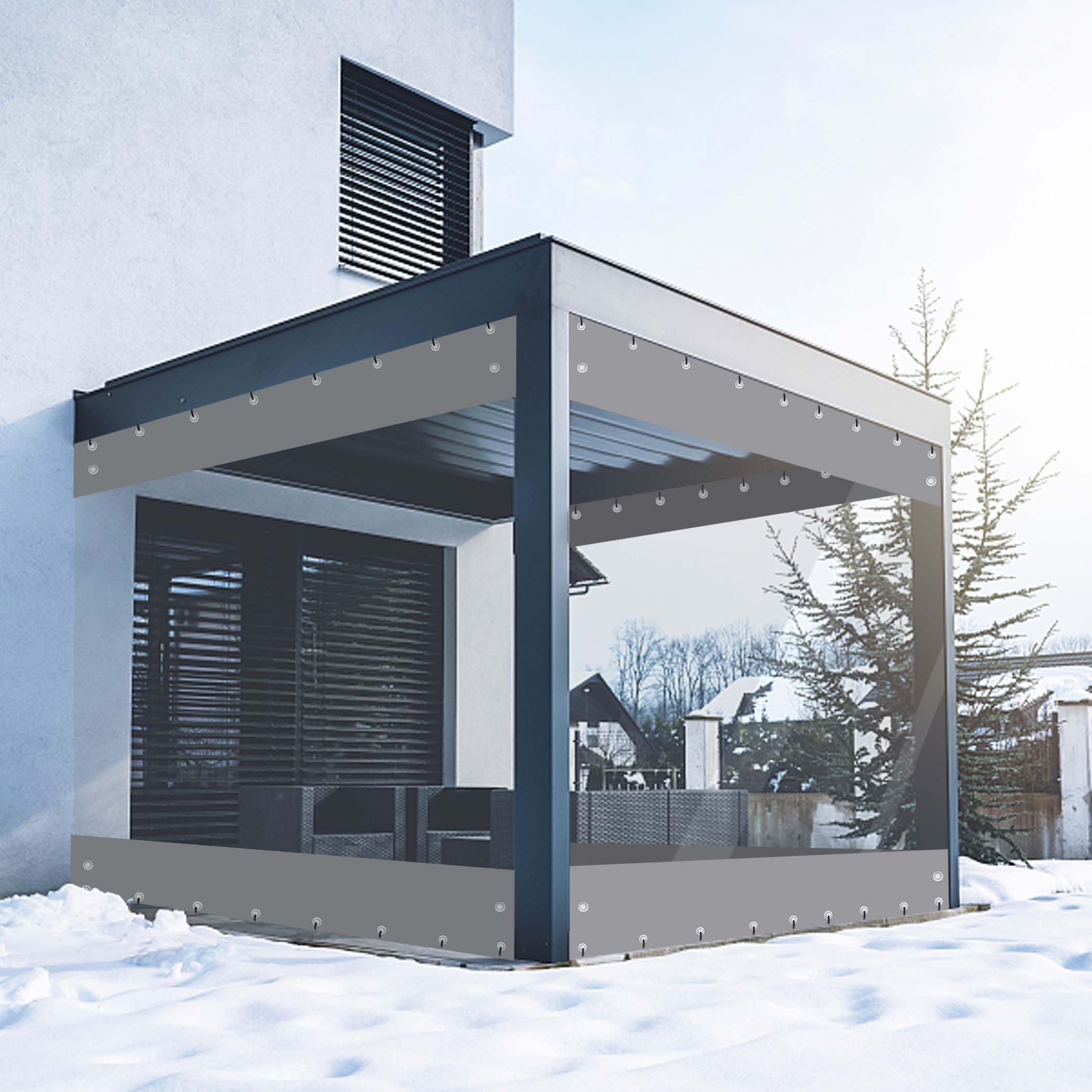
For winter-facing spaces, start with the Snowcity Insulated Outdoor Curtains for Winter collection. It is a useful place to compare panels designed for outdoor use and to match the curtain plan to the size and layout of your opening.

What does waterproof mean for outdoor curtains?
In everyday shopping language, waterproof usually describes a material intended to resist water passing through it under expected use. That is helpful, but it does not describe every part of an installation. Curtain hems, header hardware, side gaps, floor clearance, seams, and the structure above the opening all affect how rain behaves. A panel can have water-protective fabric while water still enters through an uncovered top edge or blows around the sides.
Before buying, compare the product description with the exposure at your home. A covered porch that receives occasional rain is different from an open deck facing regular wind. If you are sorting out similar terms, Snowcity’s waterproof vs. water-resistant outdoor curtains guide explains why the distinction matters.
Waterproof fabric is not the same as a sealed enclosure
A curtain hangs and moves, which makes it flexible and convenient but not a substitute for fixed walls, flashing, drainage, or professionally designed weatherproofing. Even closely spaced panels have joining lines. Gaps at the top and bottom allow for tracks, rods, movement, and safe operation. During a severe storm, wind can push rain through those routes.
Set the right goal: use curtains to add a controllable layer at an opening, improve privacy, and reduce direct exposure when conditions are suitable. Keep furniture covers, drainage, and roof maintenance in the plan. Secure or draw back panels when high wind, storms, or the manufacturer’s guidance calls for it.
Where the thermal layer fits into winter comfort
Thermal outdoor curtains are selected for their layered construction and their ability to reduce the immediate feel of an exposed opening when they are closed. The benefit depends on fit, mounting, wind, sunlight, and whether the space is covered. They do not create a guaranteed indoor temperature, eliminate drafts completely, or replace safe heating and building insulation.
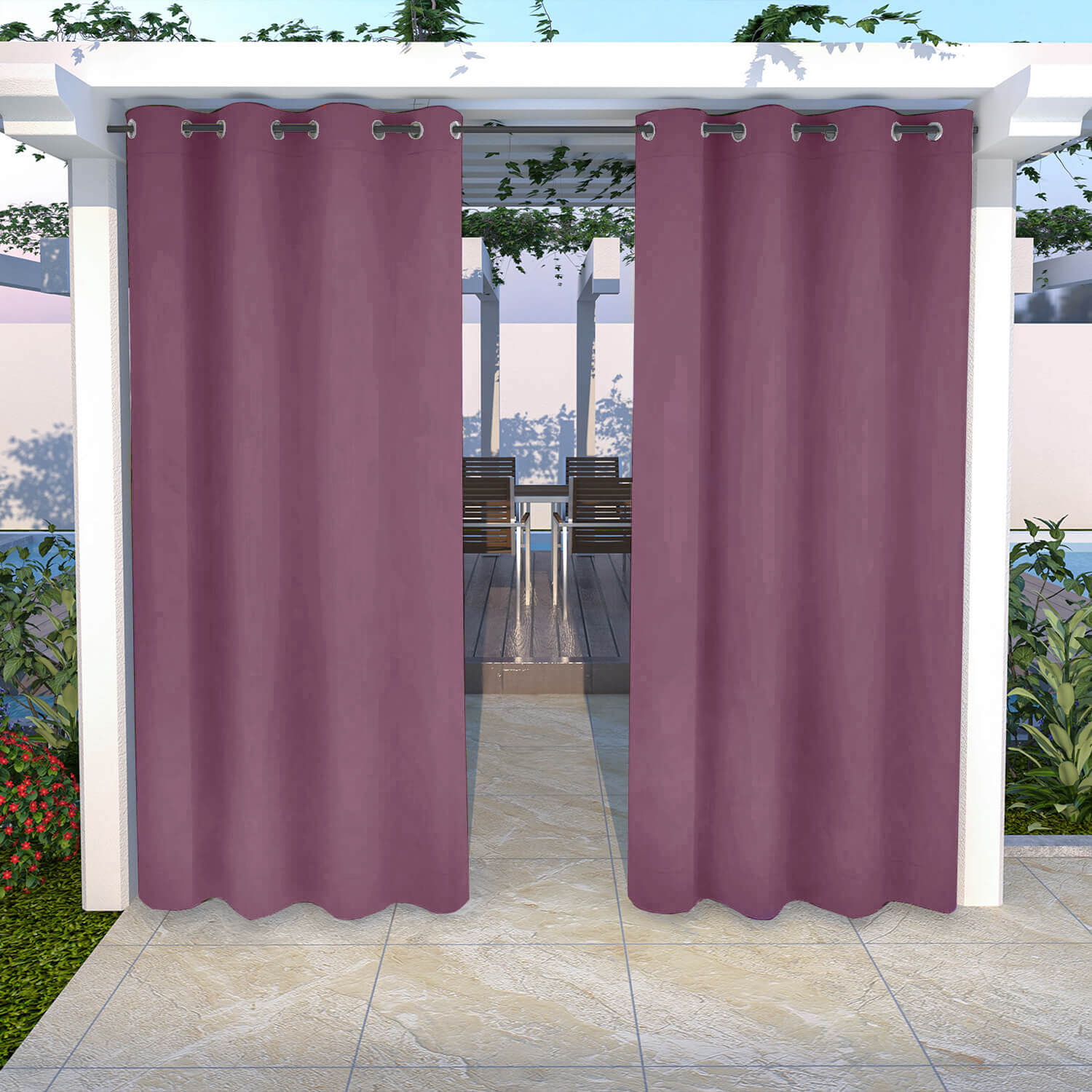
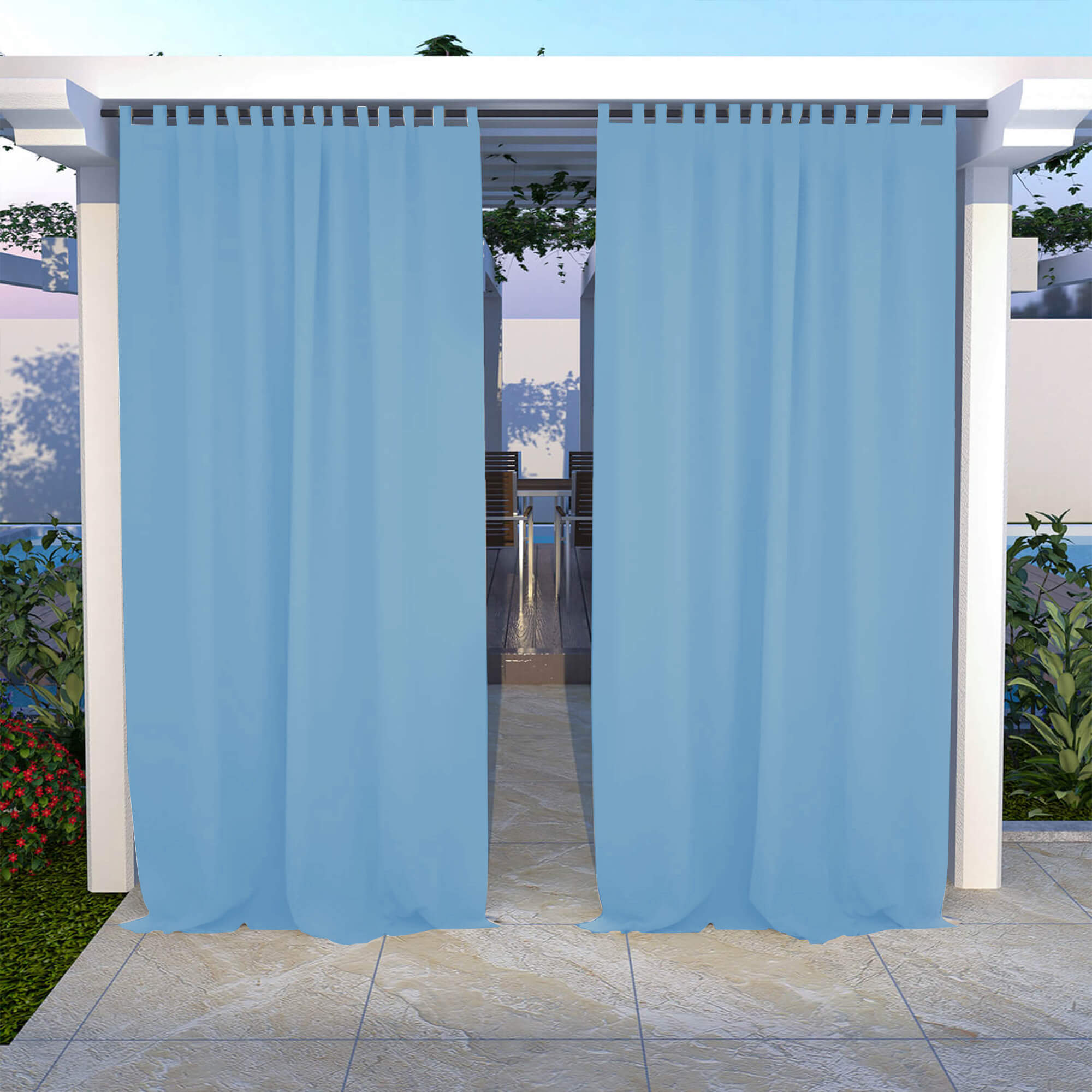
For a product-level view of available options, visit Snowcity Insulated Outdoor Curtains for Beige. Check the current listing for dimensions, installation details, care instructions, and the product-specific description before ordering.
Installation choices that improve real-world performance
Good installation makes a more meaningful difference than a broad material claim. Measure the width and height of the opening, then consider where the fabric will stack when open. A panel should have enough width for the coverage you need without dragging, binding, or creating a tripping hazard.
- Mount to a stable, suitable support and follow the hardware instructions.
- Use an overlap or a practical center meeting point when two panels cover one opening.
- Keep the bottom clear of standing water, sharp edges, and areas where it can stay wet.
- Plan how panels will be secured when wind picks up; do not rely on loose fabric in severe weather.
- Maintain safe clearance from grills, fire pits, patio heaters, and any heat source.
A covered top, sensible side coverage, and a way for the fabric to dry after rain can all help the setup perform more consistently. If a space has persistent leaks or drainage issues, correct those conditions rather than expecting a curtain to solve them.
Care and storage for damp-weather panels
Care instructions should come from the specific product page and sewn label. Do not assume that every waterproof or thermal curtain can be machine washed or dry cleaned. Some fabrics, coatings, linings, grommets, and hardware need particular cleaning methods. When the product instructions permit cleaning, remove loose debris first and use the recommended method.
After rain, give panels time to dry with air circulation when possible. Avoid folding or storing them while damp, since trapped moisture and debris can make later cleaning harder. At the end of a season, clean only as directed, let the fabric dry fully, and store it in a dry location away from sharp objects and pests.
Choose the right curtain for your opening
Outdoor waterproof thermal curtains make the most sense when their material, size, and mounting plan match the location. Review the winter insulated outdoor curtain collection, confirm the current product details, and measure before you order. Choose waterproof thermal outdoor curtains for winter exposure with realistic expectations about weather, fit, and care.
Frequently asked questions
Will waterproof thermal curtains keep all rain out?
No. Fabric performance is only one part of weather protection. Rain can enter around gaps, through an uncovered roofline, or in wind-driven conditions. Curtains should be part of a broader outdoor setup.
Can I use them in snow?
Use the current product information and care guidance to decide whether the curtain suits your conditions. Remove accumulated snow where it is safe to do so, avoid forcing frozen fabric or hardware, and follow local safety guidance.
Can outdoor thermal curtains be machine washed or dry cleaned?
Only if the product’s current care instructions say so. Material and lining combinations vary, so the product page and care label are the reliable source.
Do I need a covered patio?
A cover can reduce direct exposure and makes installation easier to plan, but suitability depends on the full opening, mounting surface, local weather, and product guidance.
Comment