Thermal Insulated Outdoor Curtains: Materials and Features Explained
Sep 03,2026 | Snowcity
“Thermal insulated outdoor curtains” is a useful search term, but it can cover several different ideas in a product listing. For a porch, gazebo, patio, or other exterior opening, the practical question is not simply whether a curtain is called thermal. It is how its fabric, middle layer, hardware, size, and installation fit the space where you plan to use it.
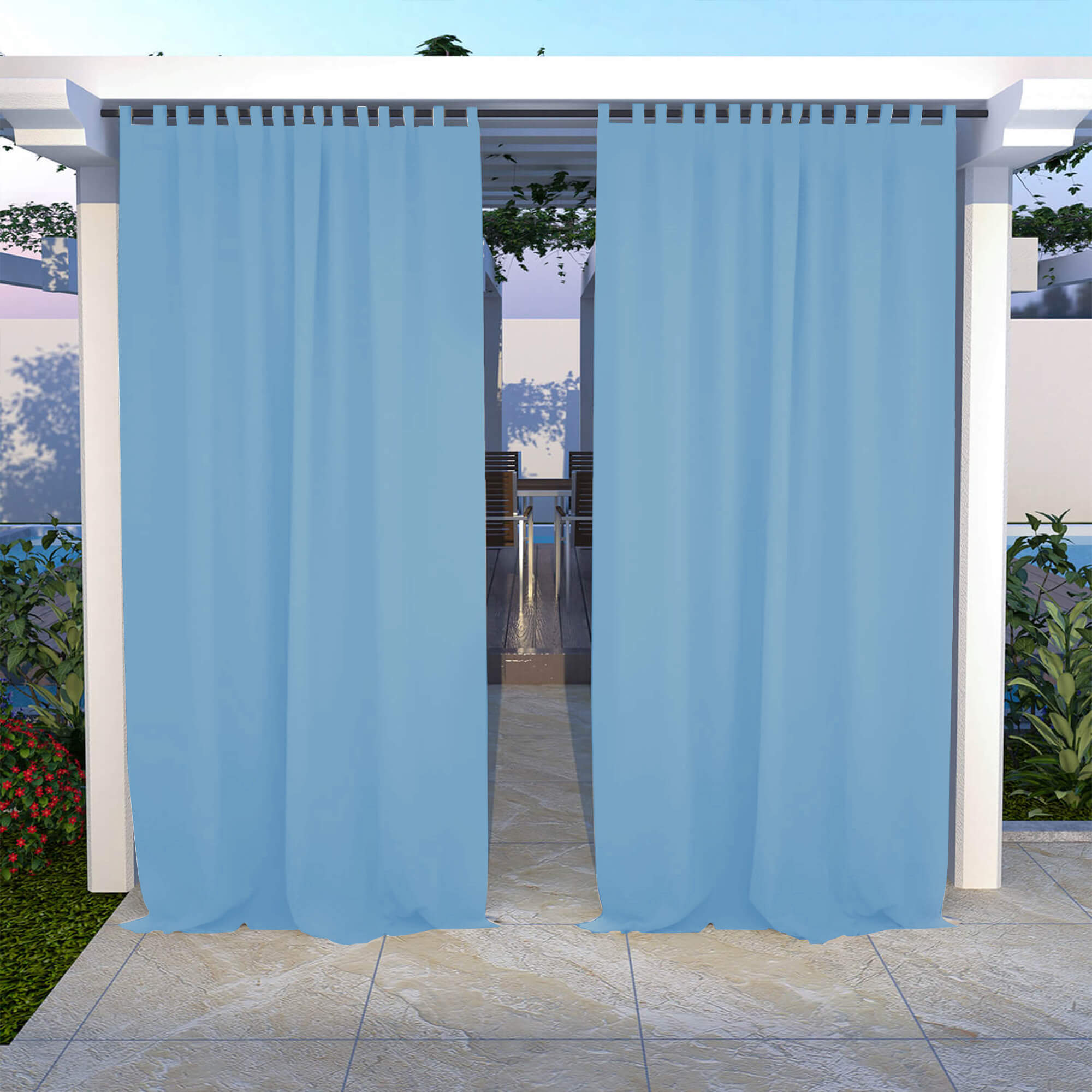
Start by comparing the options in the Snowcity Insulated Outdoor Curtains for Winter collection. A close read of the current listing, together with accurate measurements of the opening, is more useful than relying on a broad material claim alone.
What are thermal insulated outdoor curtains?
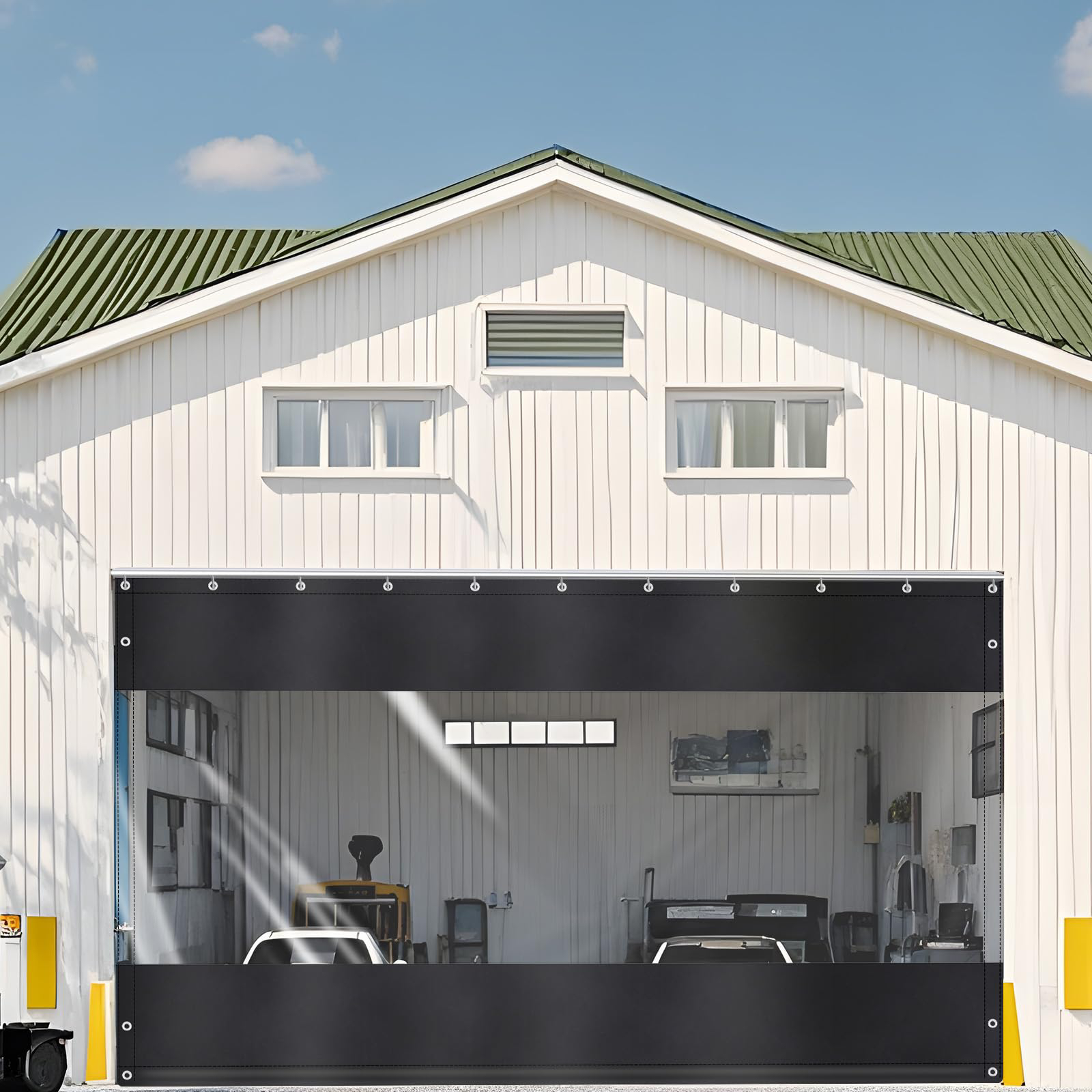
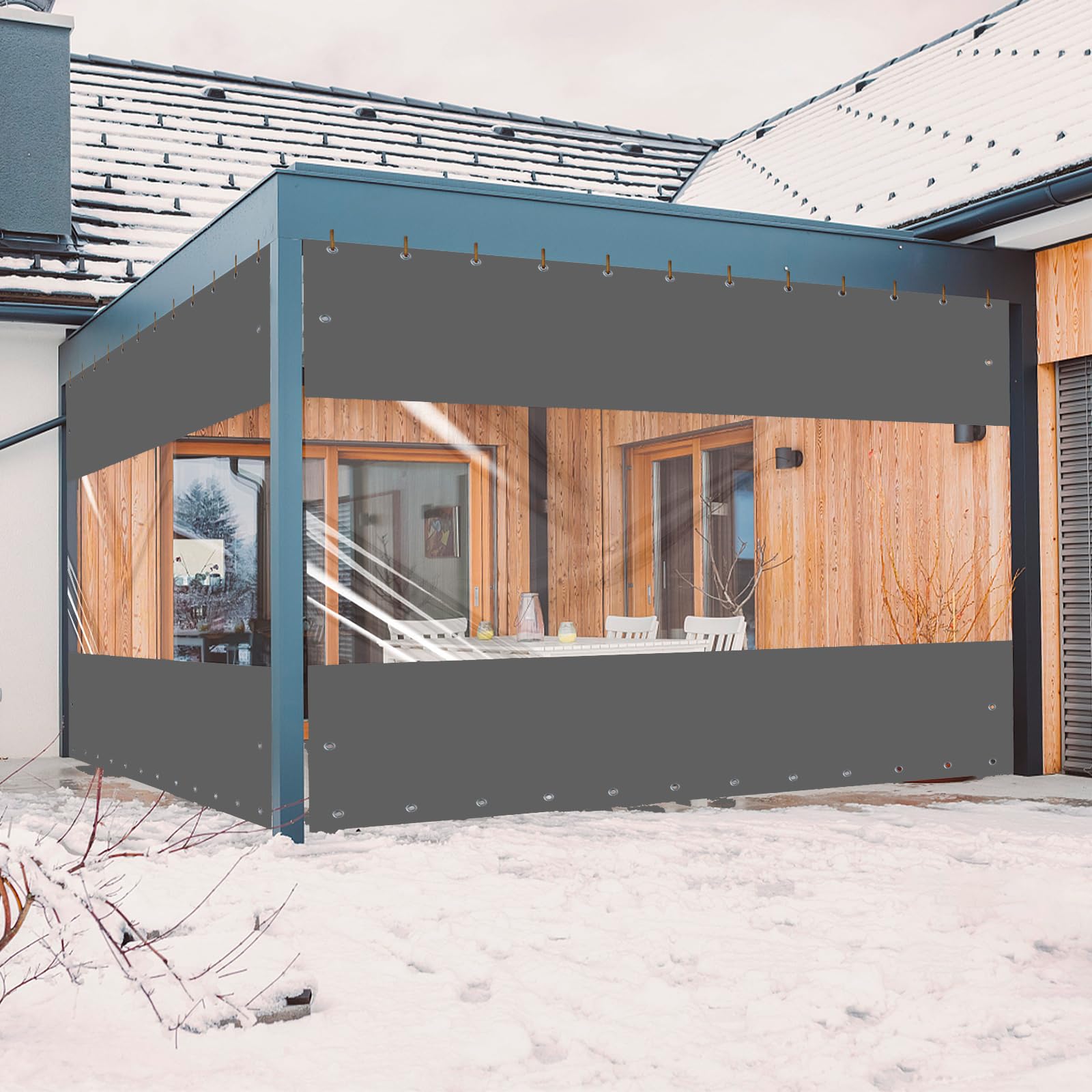
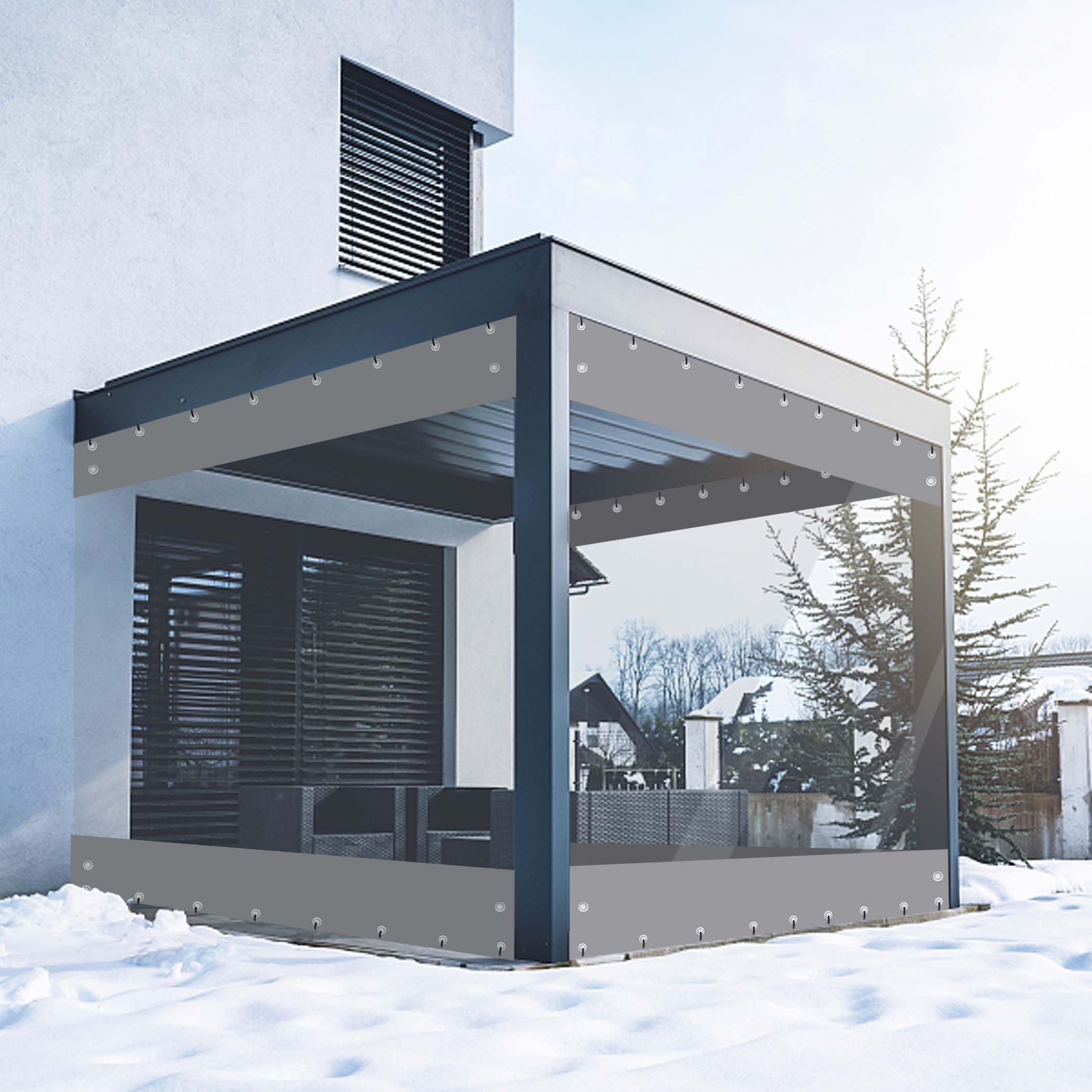
Thermal insulated outdoor curtains are panels made with construction intended to add a substantial fabric layer at an outdoor opening. When closed, they can help make a covered outdoor area feel less exposed to a cool breeze or changing weather. Their effect depends on the panel fit, gaps around the opening, mounting position, wind, roof coverage, and the conditions outside.
They should not be treated as a sealed wall, a replacement for building insulation, or a guarantee of a particular temperature. In an open area, air can still move around the top, sides, and bottom of a curtain. A sensible expectation is a flexible layer that can be opened or closed as the space and weather require.
Why the middle layer matters
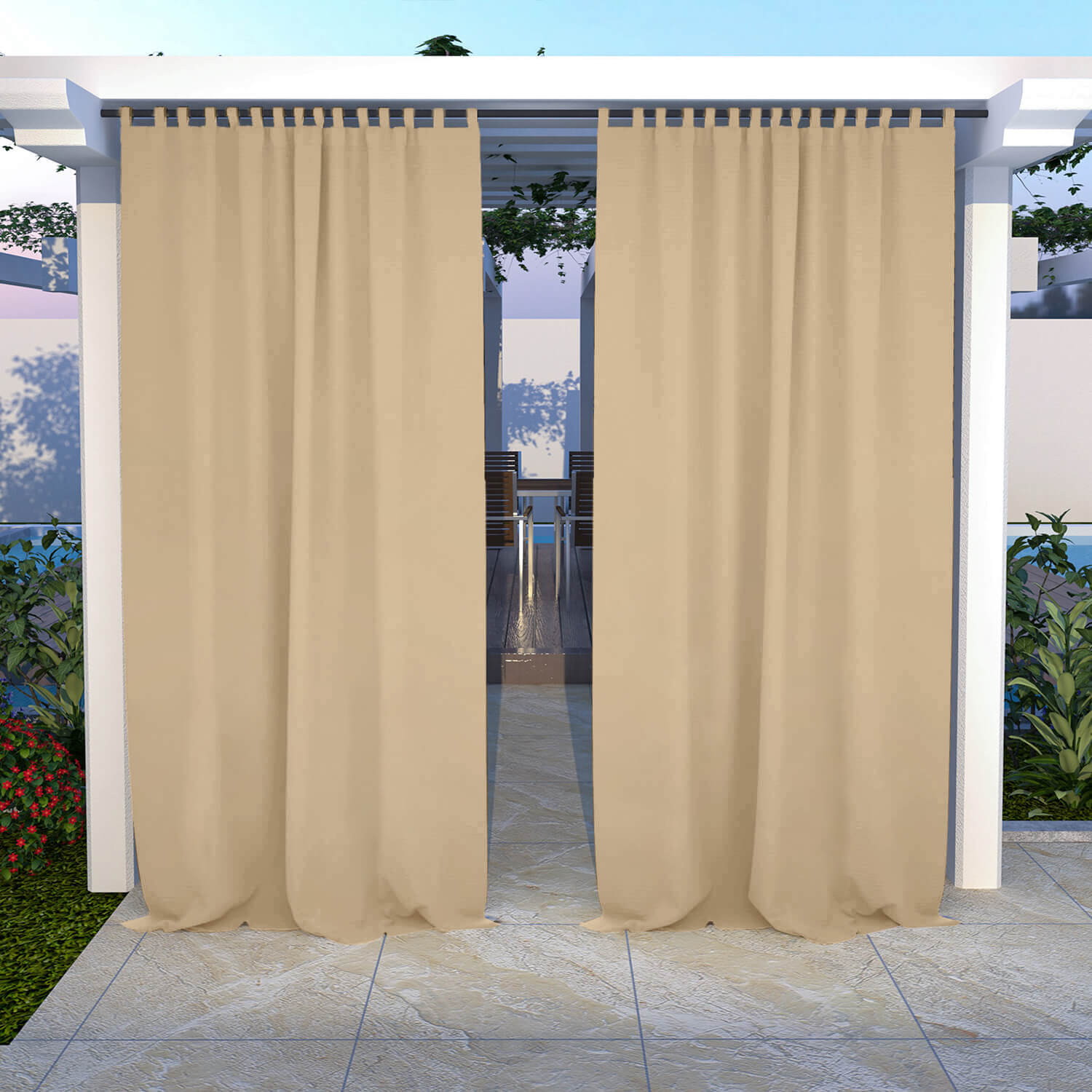
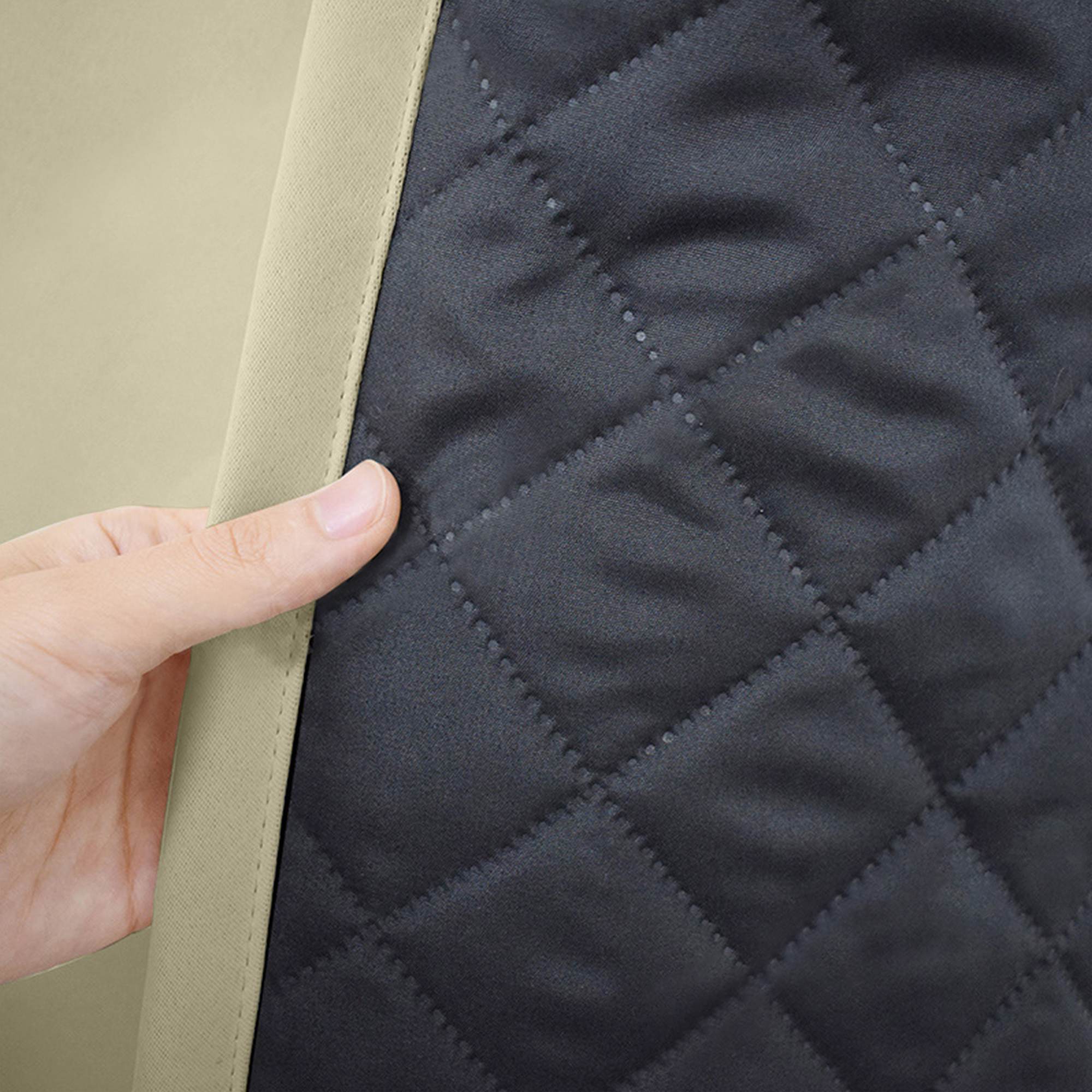
With an insulated curtain, the middle layer is part of what distinguishes the panel from a light decorative outdoor drape. Snowcity’s Light Beige insulated outdoor curtain listing describes thick thermal cotton material. That is a construction detail worth checking because a product name alone does not tell you how much substance is inside the panel.
When comparing listings, look for a clear description of the fabric and insulation, rather than assuming that every thick-looking curtain has the same layers. Check the current product information for the material, available sizes, and care guidance before ordering. You can review the Snowcity Light Beige Insulated Outdoor Curtain for its current product-specific details.
Waterproof fabric: useful, but only one part of weather planning
Waterproof fabric can be a practical feature for a curtain used near occasional rain or damp outdoor conditions. It does not make the whole opening waterproof. Rain can still reach an area through an uncovered roofline, between panels, around side gaps, or along the ground when wind changes direction.
Match the curtain plan to the location. A covered porch with intermittent exposure is different from an open deck that faces frequent wind-driven rain. Keep drainage, roof maintenance, furniture protection, and the manufacturer’s care guidance in the plan instead of asking a hanging panel to solve every weather problem.
Grommets and mounting details deserve the same attention
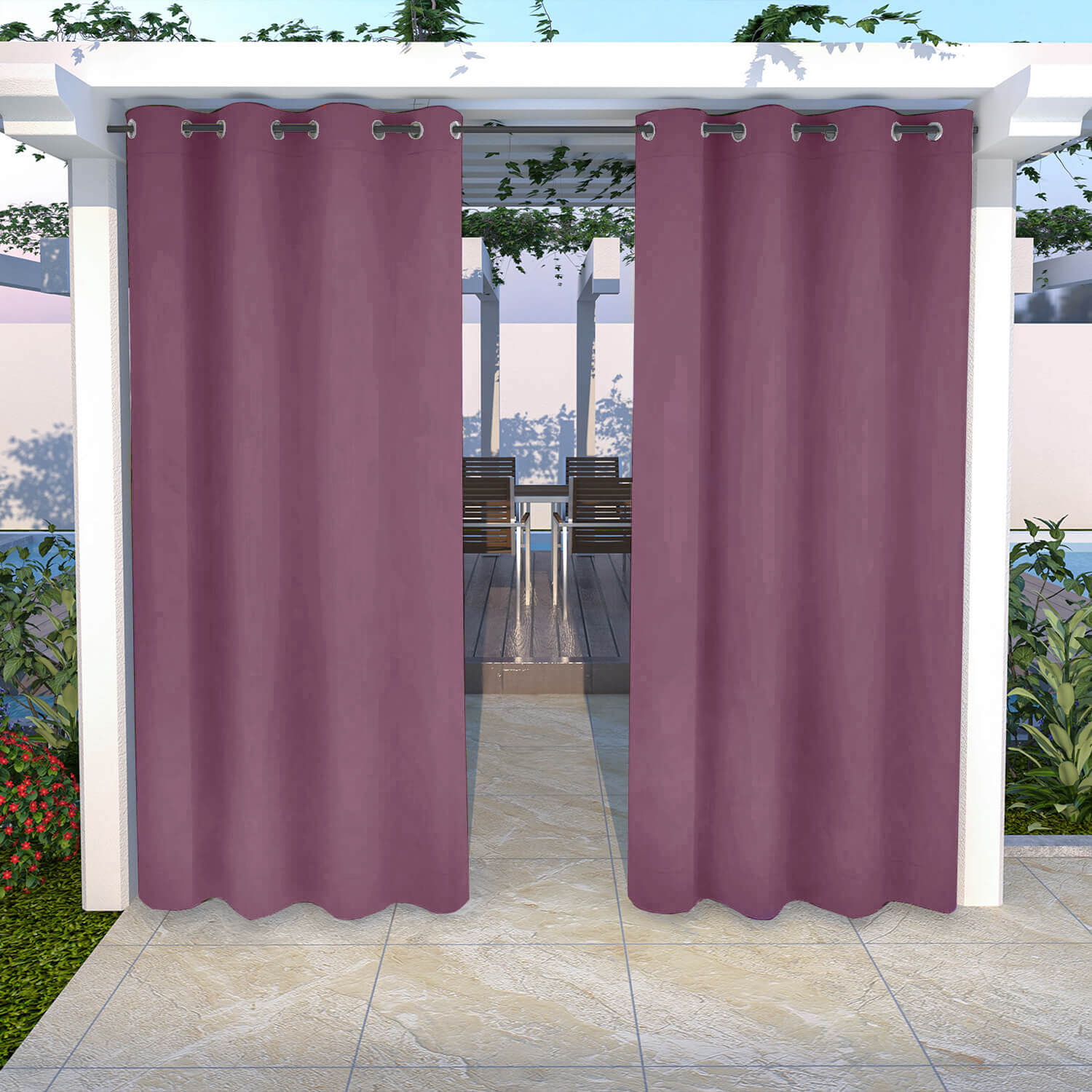
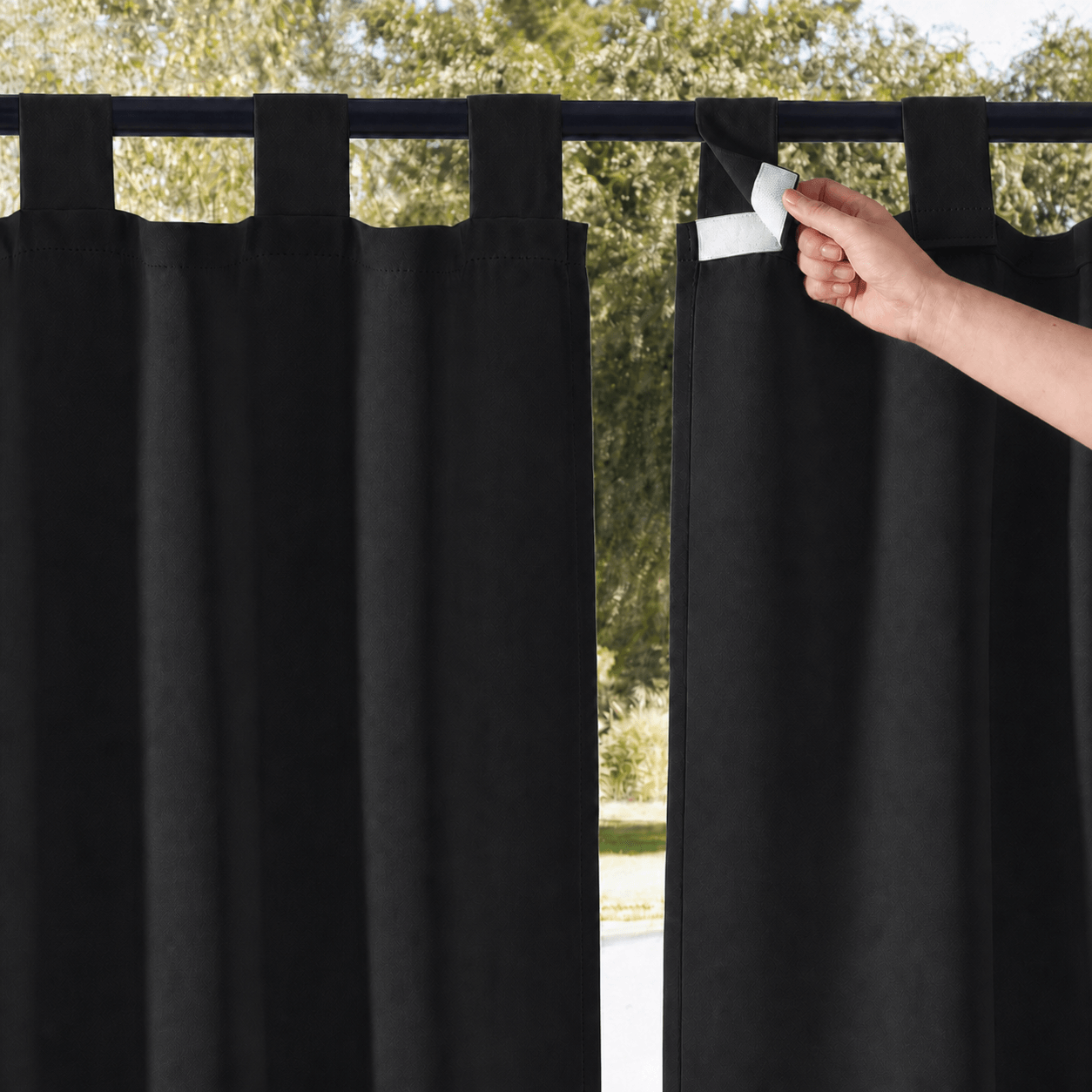
Hardware affects both everyday use and how a curtain hangs. The Snowcity product page highlights anti-rust grommet positioning, which helps buyers understand how the panel is intended to mount. Before ordering, confirm that the grommet style, rod or support, and mounting surface suit your opening.
- Measure the finished width and height of the opening, not only the wall or roof span.
- Allow for the panel stack when curtains are open and for practical coverage when they are closed.
- Use a stable support and follow the hardware and product instructions.
- Plan a safe way to secure or draw back panels in strong wind or severe weather.
- Keep fabric and tiebacks clear of grills, fire pits, patio heaters, and other heat sources.
How to inspect a product listing before you buy
A useful listing answers practical questions: What material is specified? Is there an insulating middle layer? How is the curtain mounted? Which size fits the opening? What does the care guidance say? It should also make clear which features are product details and which results still depend on your installation and local conditions.
For winter-facing outdoor spaces, compare curtain dimensions with the opening, note the direction of prevailing wind, and consider whether the area is covered. If two panels meet in the center, think about their overlap and how they will be held when not in use. These small choices usually matter more than a single marketing word.
Choose materials that fit the way you use the space
A thermal insulated outdoor curtain is most useful when its construction and installation match the job you have in mind. Review the Snowcity winter insulated outdoor curtain collection, confirm the current product information, and measure before placing an order. Compare Snowcity thermal insulated outdoor curtains with attention to material, weather exposure, grommets, and fit—not just the headline claim.
Frequently asked questions
Do thermal insulated outdoor curtains make an outdoor space fully warm?
No. They can add a substantial layer at an opening, but they do not seal an outdoor area or guarantee an indoor-like temperature. Results depend on the structure, fit, wind, and weather.
Does waterproof fabric mean rain cannot enter the space?
No. Fabric is only one part of the setup. Water can still come through gaps, an exposed roofline, or wind-driven conditions around the edges.
Why are grommets important?
Grommets help determine how the panel mounts and moves on its support. Check that the grommet design, rod, mounting surface, and planned use work together.
How should I choose the right size?
Measure the opening’s finished width and height, then account for how the curtain will cover the opening and stack when open. Confirm available dimensions on the current product page before ordering.
Comment