Outdoor Curtains for a Screened Porch: Privacy and Shade Guide
Jul 30,2026 | Snowcity
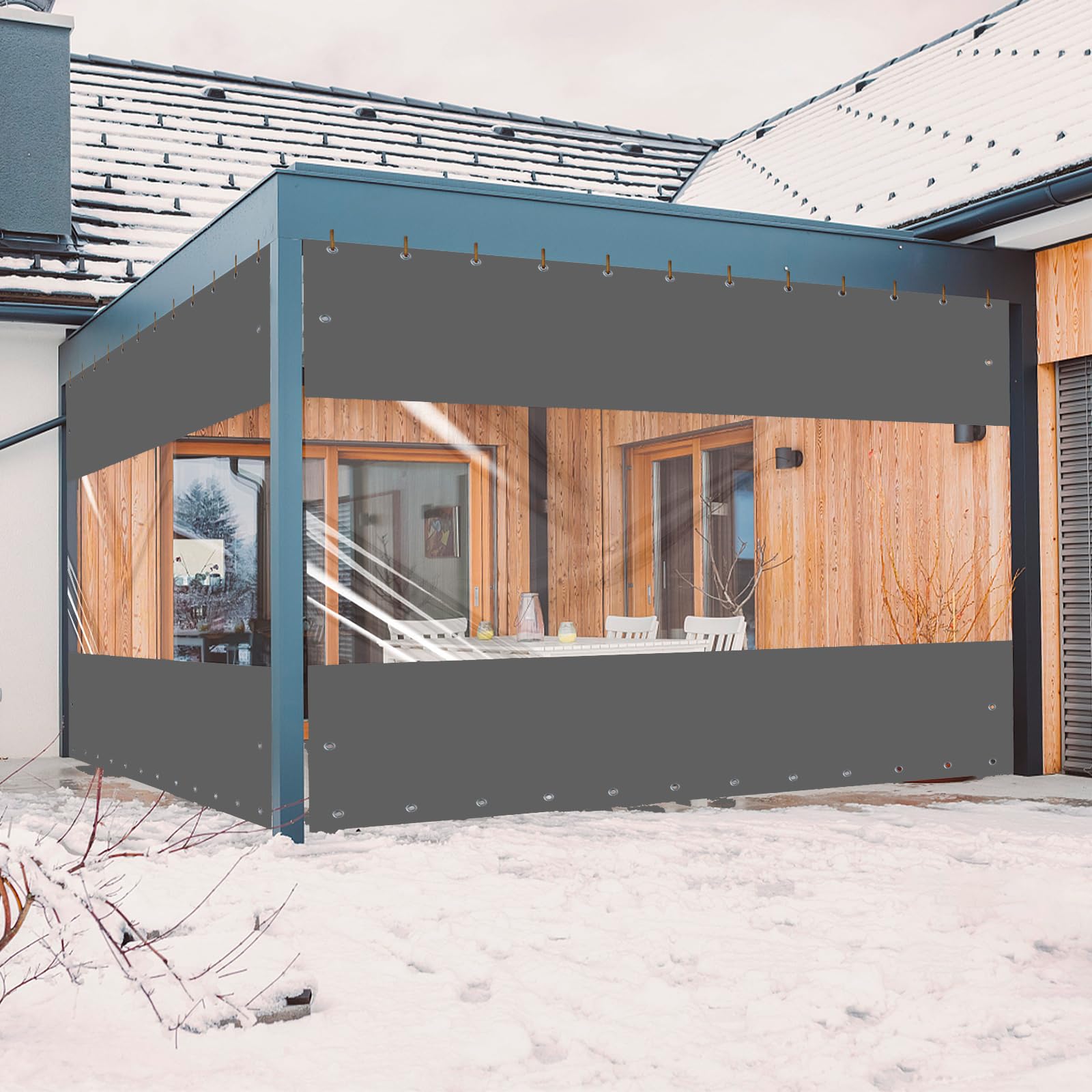
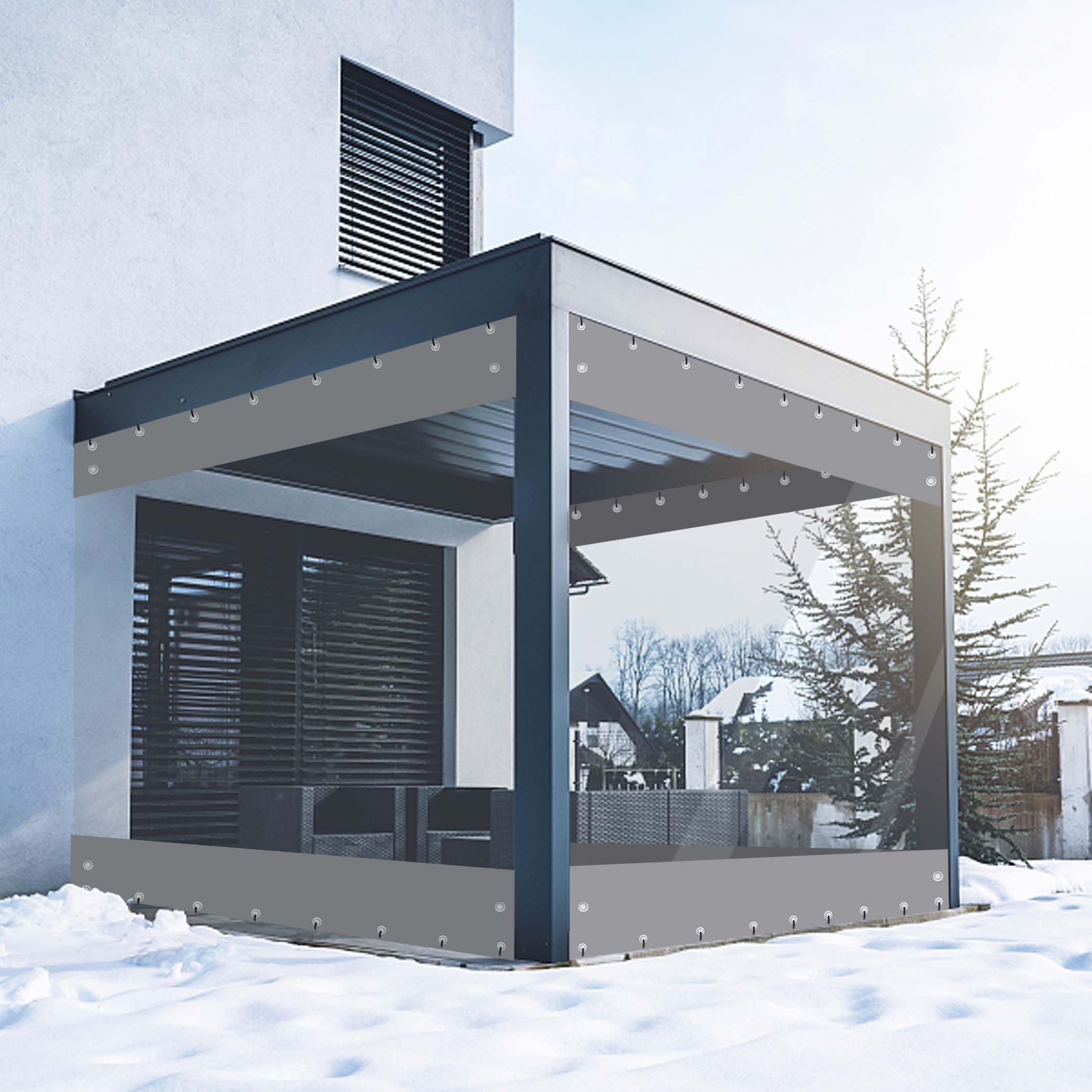
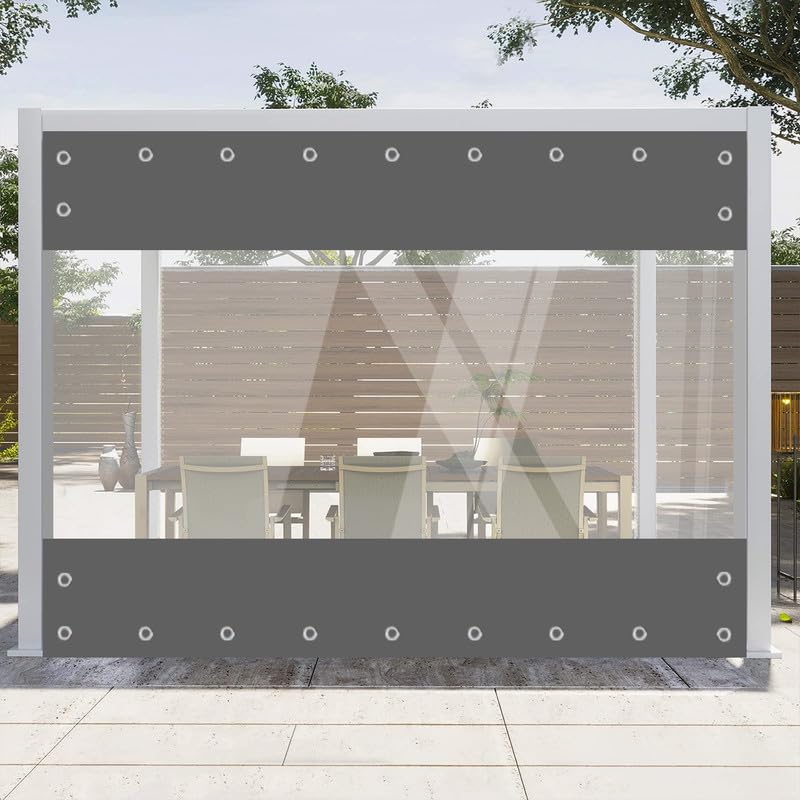
A screened porch already keeps out many insects, but it can still feel exposed when a neighbor can see through the mesh or late-day sun comes in at eye level. Outdoor curtains for a screened porch add a flexible visual screen: close them when you want more privacy or softer light, then open and secure them when you want the breeze and view.
The key is to plan the mounting point, panel width, and tie-back routine before you buy. Curtains are a comfort and privacy layer, not a replacement for the porch screen, structural shading, or weatherproof enclosure.

Where outdoor curtains help on a screened porch
Panels work especially well on the sides that face a nearby home, driveway, walking path, or low western sun. They let you change the porch’s level of enclosure without permanently blocking every opening. On a large porch, covering only the most exposed bays often preserves more daylight and airflow than treating every side.
For a broader look at balancing sightlines and comfort, see our porch privacy and shade guide.
Choose a mounting position that clears the screen
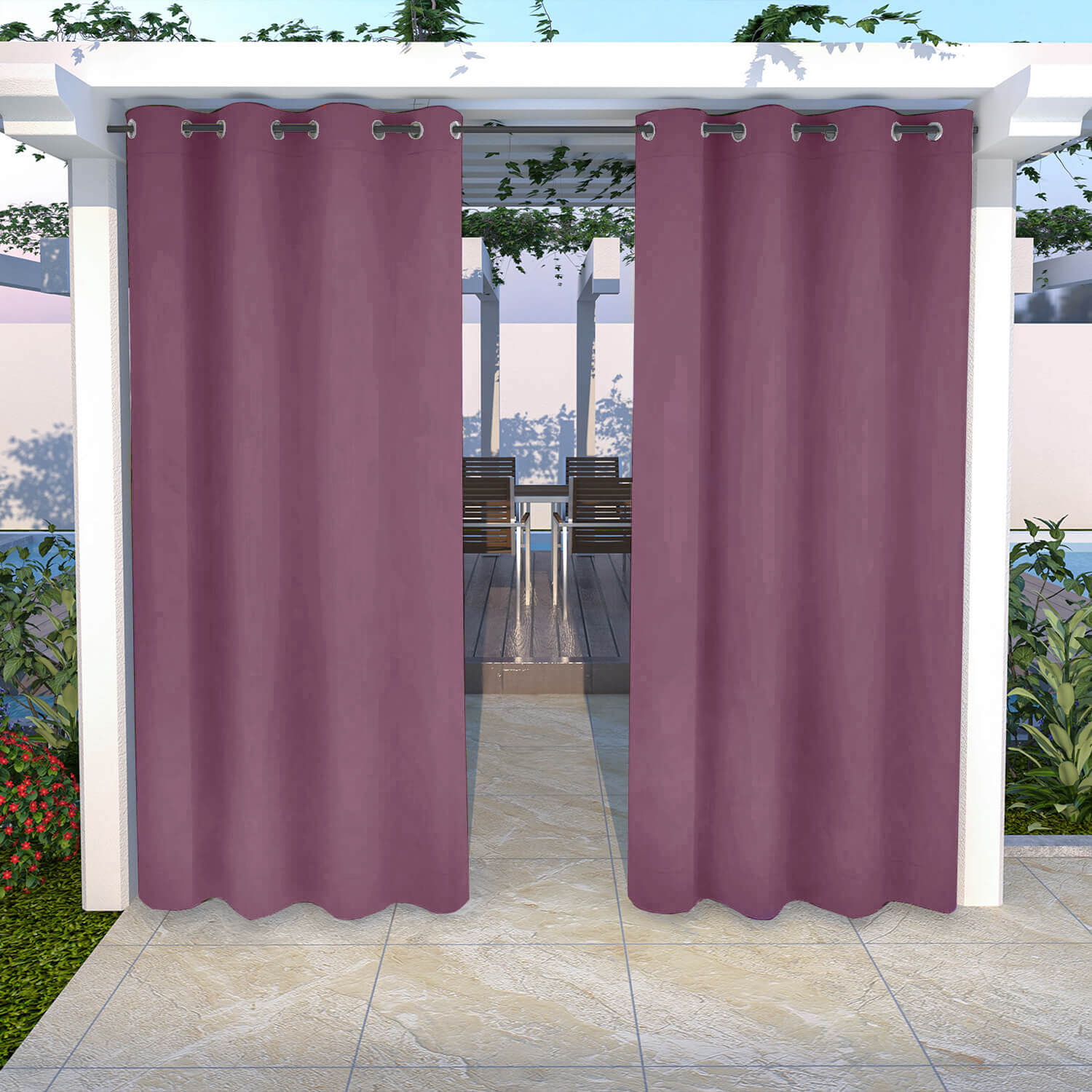
Mount a rod, track, or tension system to a solid porch member—such as a header, beam, or post—not to the screening itself. A position just inside the screen keeps the fabric from rubbing against mesh and gives you room to pull panels aside. If there is trim around each bay, measure the clear space so brackets and finials will not interfere with doors, fans, or lights.
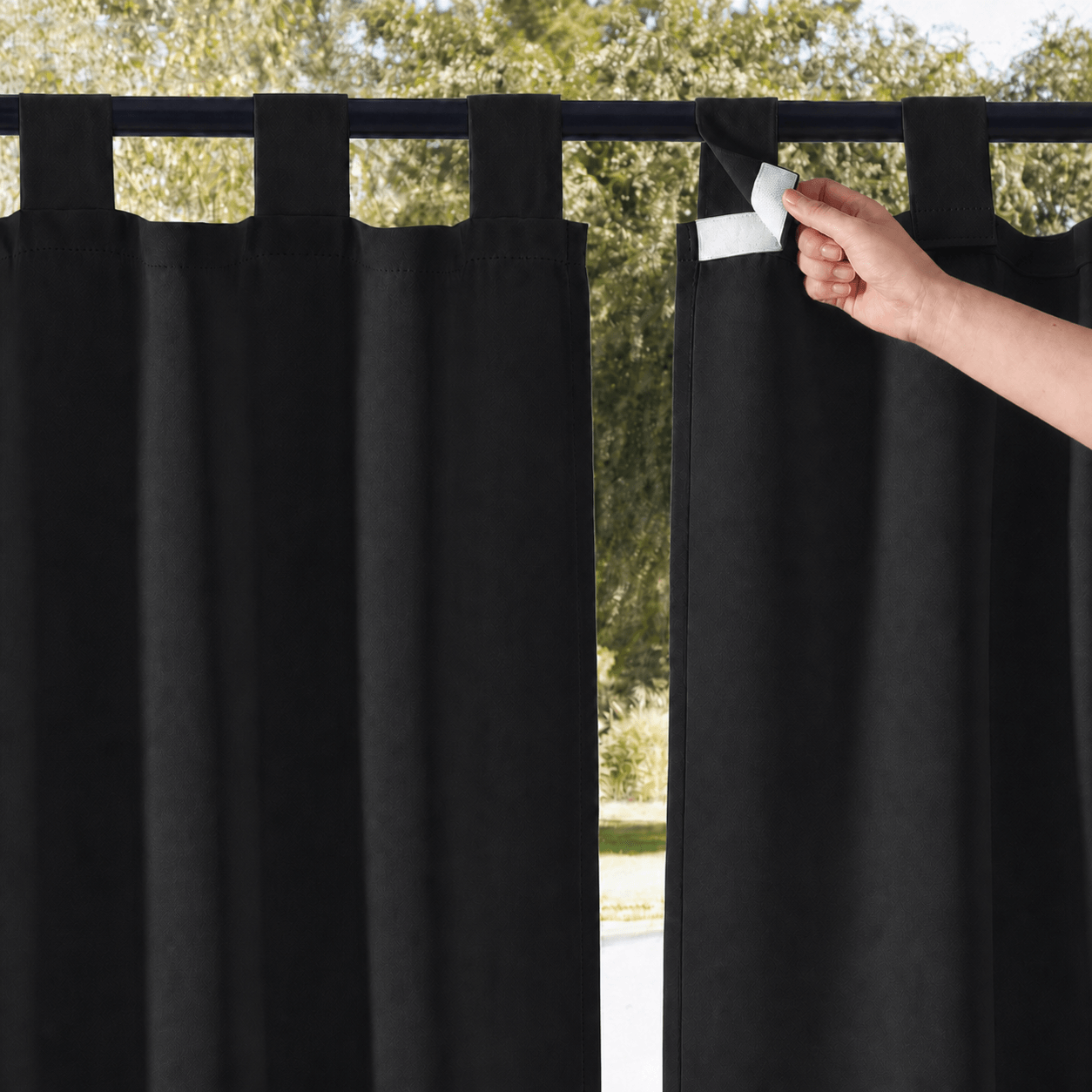
Use hardware that suits the material and expected load, and follow the hardware maker’s installation guidance. For panel handling ideas, read how to hang outdoor curtains without them blowing around. In breezy conditions, open panels should be tied back or otherwise secured; fabric curtains are not a substitute for storm shutters.
Measure width and fullness before ordering
Measure the rod or track span, not simply the screen opening. Then decide how full you want the closed curtains to look. A practical starting point is total panel width of about 1.5 to 2 times the span. Near 1.5 times gives a cleaner, more open look; closer to 2 times gives softer folds and reduces direct sightlines when the panels overlap.
For length, measure from the installed rod to the finished floor. Keeping the hem just above the floor helps avoid dragging and makes routine cleaning easier. If your porch slopes or has a raised threshold, measure each bay separately rather than assuming the same length everywhere.
Privacy, color, and light: make the trade-off intentional
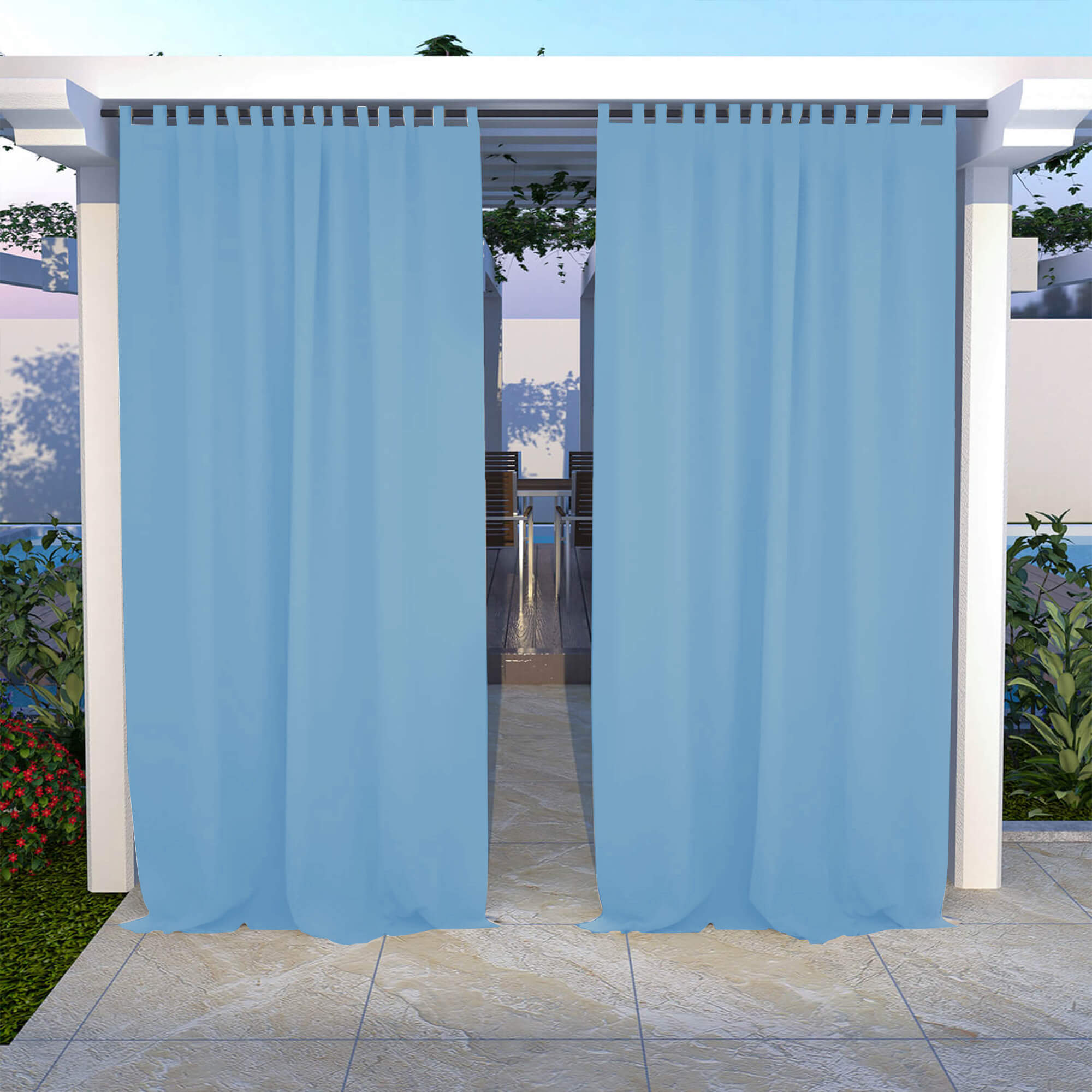
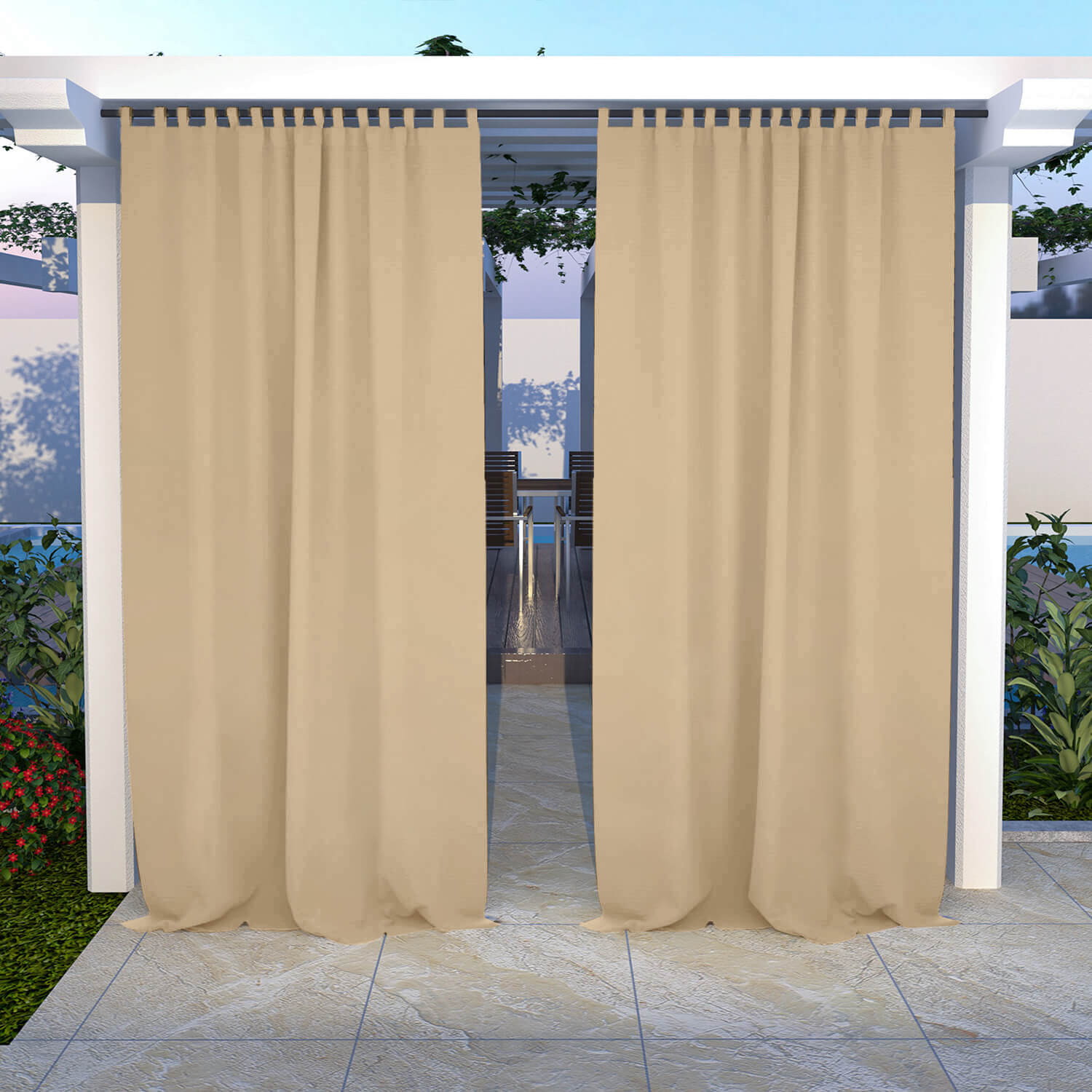
Darker, denser-looking panels usually create a stronger visual screen and can make glare feel less intense. They can also make a small screened porch feel more enclosed. Light neutrals keep the area brighter and may blend with trim, but they generally provide less visual separation when backlit at night. For the most private result, use adequate fullness and make sure panels overlap at the center; color alone cannot close gaps at the sides or top.
Check the product details for fabric weight, care instructions, and available colors. Performance varies by material, mounting method, sun exposure, and wind. Bring panels in or secure them when severe weather is expected.
Keep airflow available
One advantage of a screened porch is ventilation, so plan for an easy open position. Tie-backs, holdbacks, or clips can keep the panels clear of the opening during meals, humid days, or windy weather. Two smaller panels per bay are often easier to open than one wide panel. When curtains are closed, they will naturally reduce air movement through that section of the porch.
Find the right panels for your porch
Start with a panel size that matches your installed span, then choose a color and hanging style that fits the way you use the porch. Explore the Snowcity Outdoor Curtains collection for options to help make a screened porch feel more private and comfortable.
Shop Snowcity Outdoor Curtains to create an adjustable privacy and shade layer for your screened porch.
Frequently asked questions
Can outdoor curtains be used on a screened porch?
Yes. Mount them to a stable porch member inside or alongside the screen, leaving the screening intact. They can add adjustable privacy and light control, while the screen continues to handle its own role.
How much fullness do screened porch curtains need?
A total width of roughly 1.5 to 2 times the rod span is a useful starting range. Use more fullness when privacy and a softer gathered appearance matter most.
Can I leave the curtains open for airflow?
Yes. Use tie-backs or holdbacks to keep open panels out of the opening. Closing a panel will reduce airflow through that side, so open it when ventilation is the priority.
What colors work best for a screened porch?
Choose light neutral tones for a brighter, airy look or darker tones for a stronger visual screen. Consider your trim color, how much sun the porch receives, and how private the porch needs to feel after dark.
Comment