Outdoor Curtains for Rain: What They Can and Cannot Do
Aug 11,2026 | Snowcity
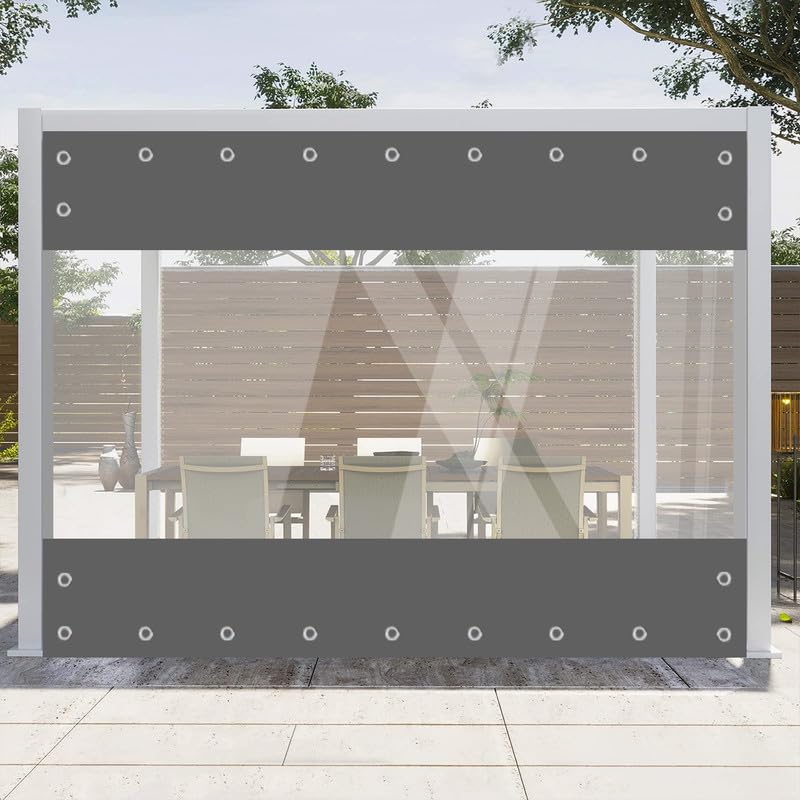
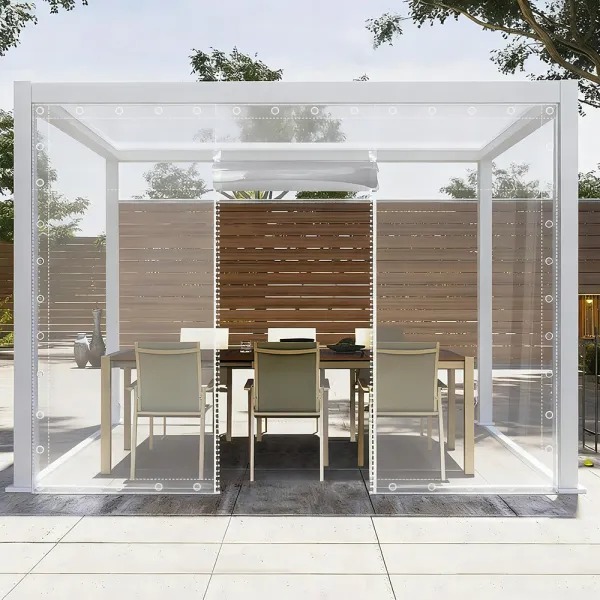
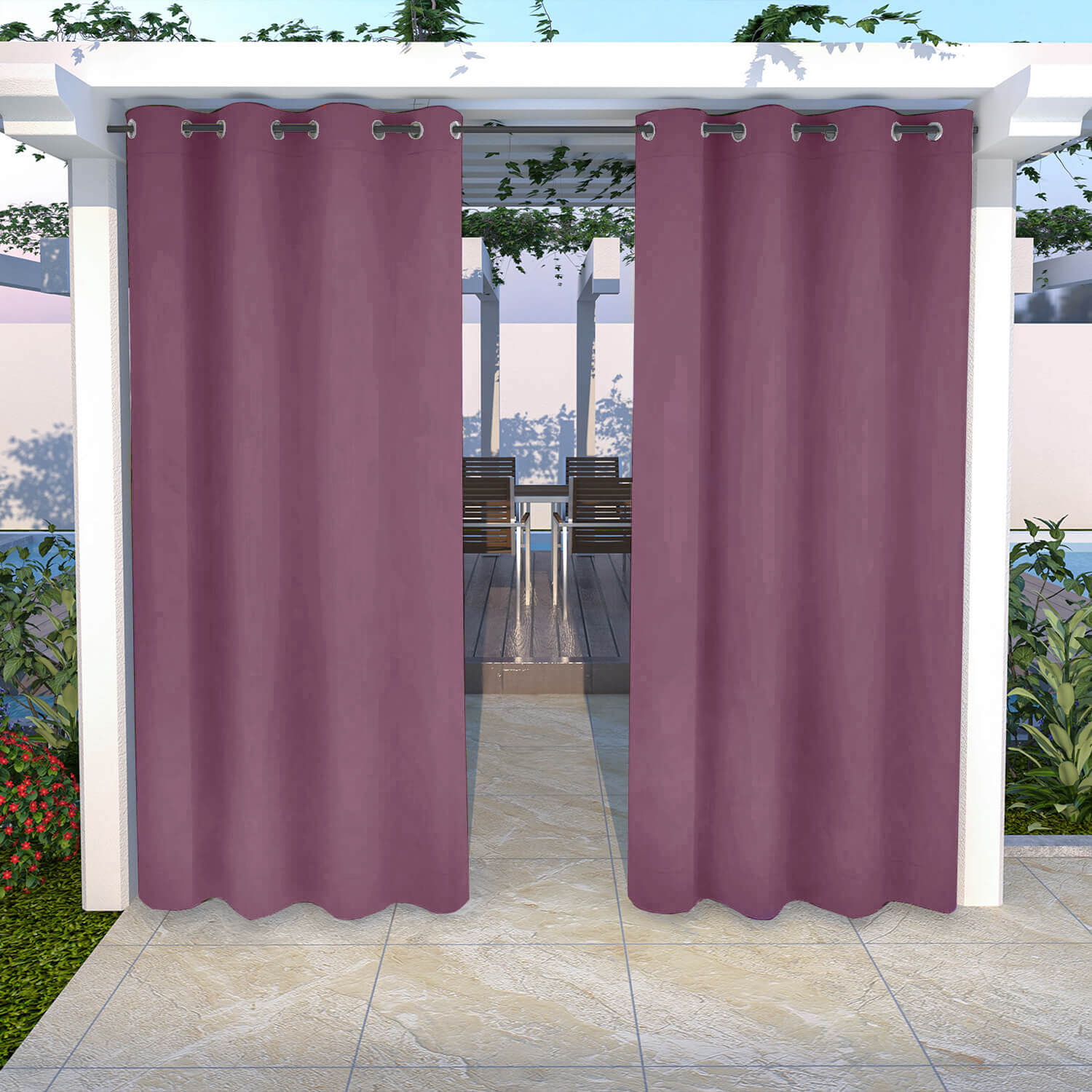
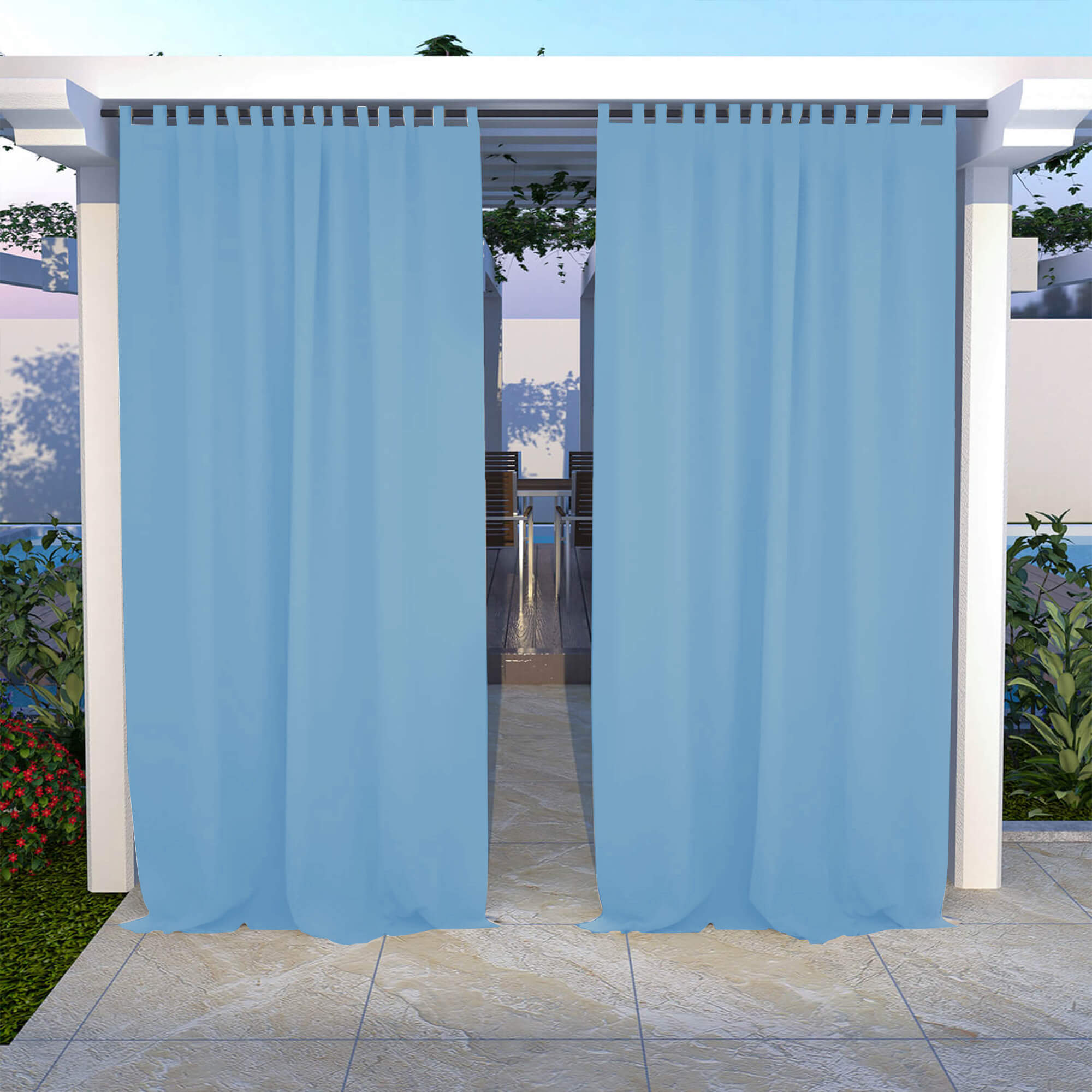
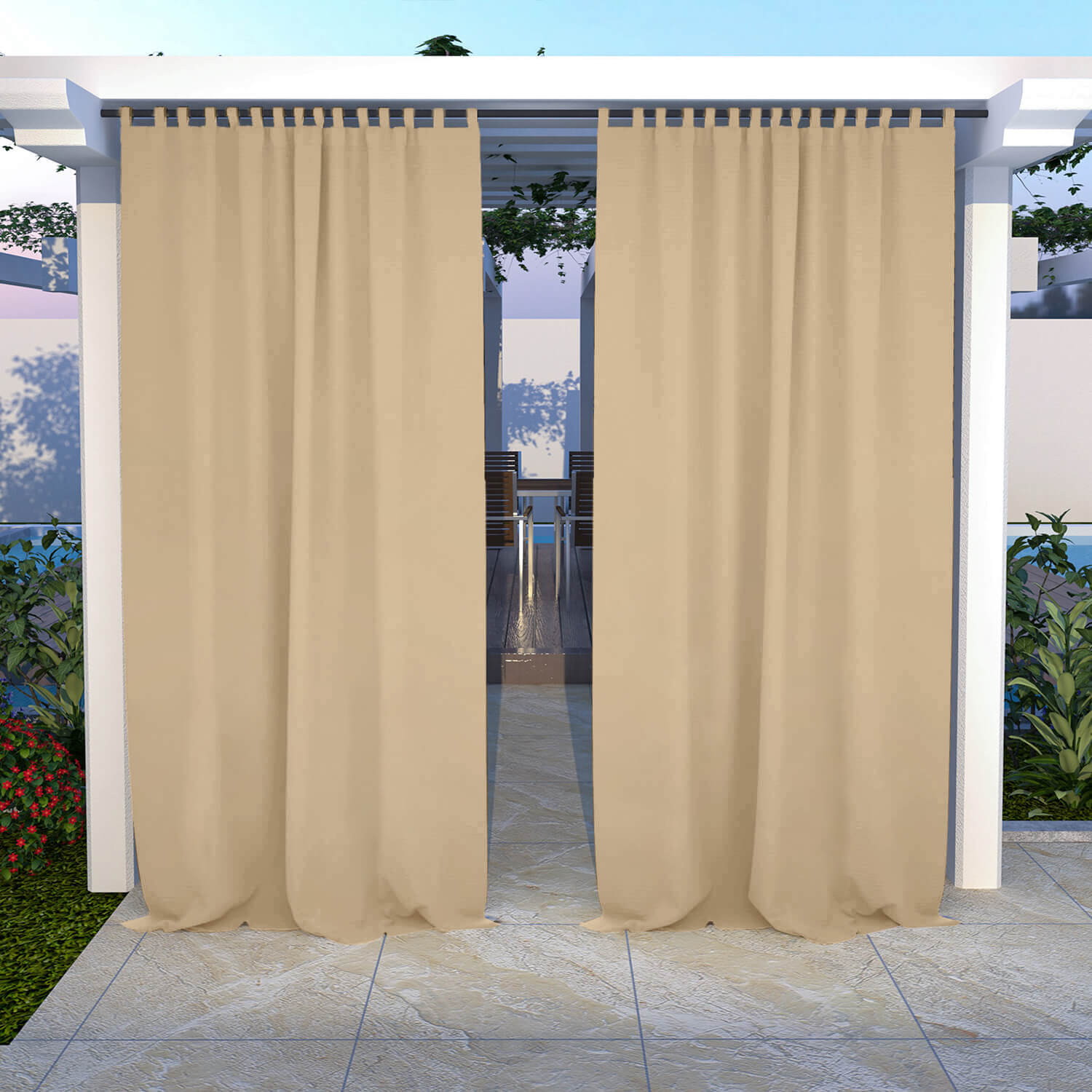
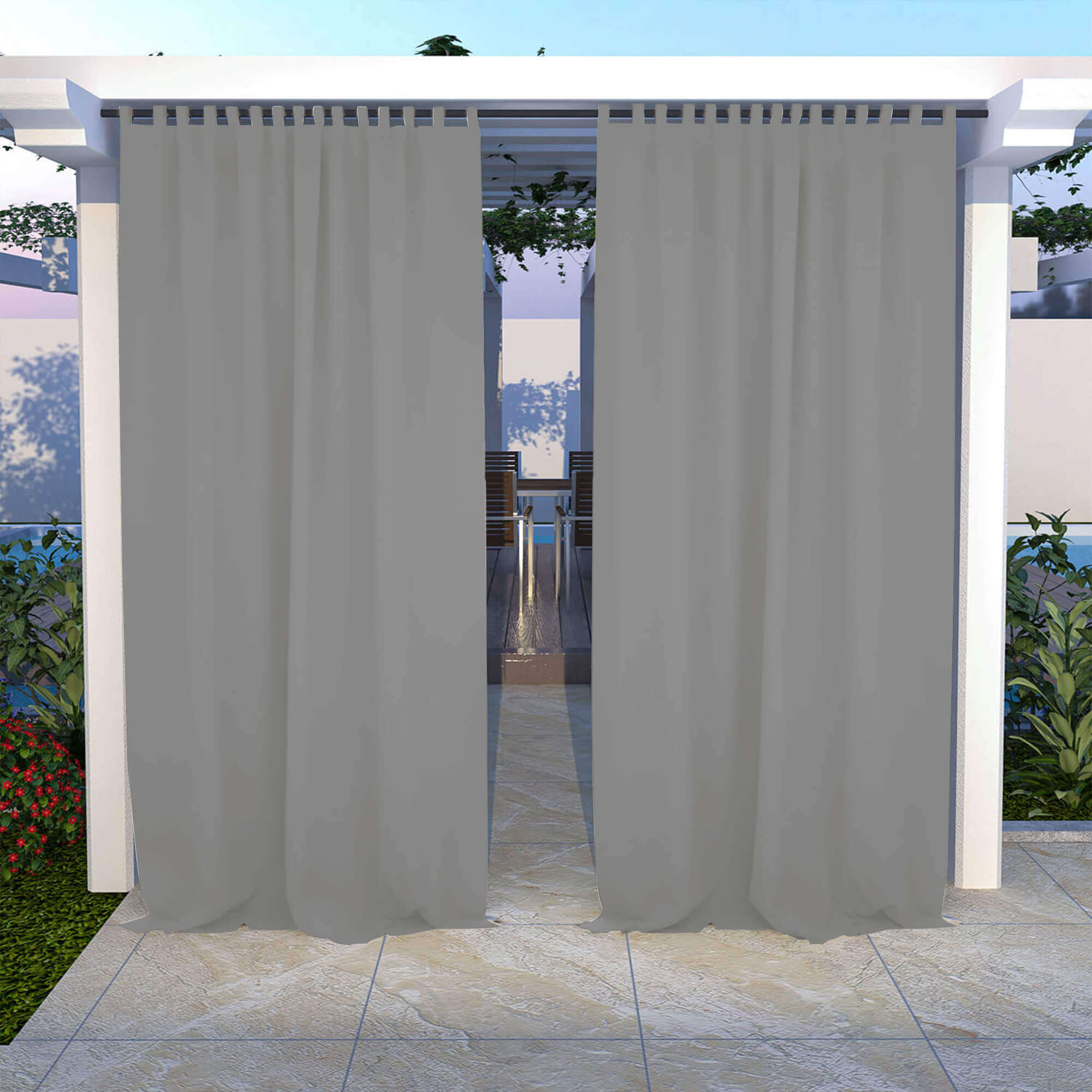
Outdoor curtains for rain can make a covered patio or porch more comfortable by reducing light windblown spray and adding an adjustable side screen. They are not a sealed wall, a tarp, or a substitute for a roof, drainage, or storm protection. The result depends on the fabric, the amount of rain, wind direction, and whether the space is covered.
Set practical expectations before you buy: a water-resistant curtain can be useful for everyday outdoor living, but a downpour or wind-driven rain can still reach the seating area through gaps, around edges, and from below.
Quick answer: can outdoor curtains block rain?
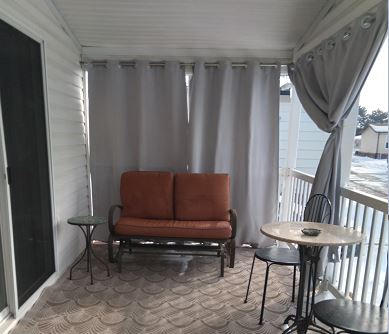
They can help limit light rain or splash on one side of a covered area, especially when they are positioned between the weather and the seating zone. They cannot fully block rain the way a solid, sealed enclosure can. Water can pass through fabric, seams, openings, and the space between the panel and the floor or roofline.
For everyday patio comfort, start with the Snowcity Outdoor Curtains collection and compare each product's material, dimensions, and care information. Choose panels and hardware that fit the actual opening rather than assuming any curtain will weatherproof the space.
Water-resistant does not mean waterproof shelter
Water-resistant fabric is designed to resist water to a degree; it may shed brief moisture or dry more readily than an untreated indoor fabric. It does not mean the curtain creates a watertight barrier in prolonged rain. Performance changes with the fabric construction, coating, age, folding, exposure, and how much water is driven against it.
If you are comparing the terms before ordering, see our waterproof vs. water-resistant outdoor curtains guide. The useful question is not simply whether a panel is called water-resistant; it is whether your patio has cover, what kind of rain it receives, and how quickly you can open, secure, or dry the curtains.
Covered and uncovered spaces behave differently
On a covered porch, pergola with a substantial roof, or gazebo, curtains may be a helpful secondary screen when rain arrives at an angle. They can reduce the amount of spray that reaches furniture near the opening, but they do not close gaps at the roof, posts, floor, or overlapping panels.
On an uncovered patio, curtains are exposed from above as well as from the side. In that setting, they should not be treated as rain protection for cushions, electronics, or wood furniture. Bring vulnerable items in or use purpose-built covers when rain is expected. Strong wind can also move panels, pull at hardware, and turn a small shower into a wet seating area.
Can outdoor curtains stay outside during showers?
That depends on the product instructions, local weather, and the condition of the installation. A brief shower in a sheltered space may be manageable for an outdoor-rated panel, but leaving any textile wet for long periods can encourage mildew, staining, odor, or premature wear. Check the specific product care guidance rather than relying on a general label.
If rain becomes sustained or starts blowing directly into the opening, draw the panels back when practical, secure them so they do not whip, and protect furniture separately. Do not leave a curtain deployed in conditions that exceed the hardware or fabric guidance.
How to dry outdoor curtains after rain
Open the panels to improve airflow as soon as conditions allow. Avoid bunching damp fabric tightly against a wall, post, or itself, because folds hold moisture longer. If the panels can be removed safely, follow the care instructions for cleaning and drying before storage.
For seasonal care and storage steps, read our outdoor curtain cleaning and storage guide. Removing surface dirt before it sets and allowing fabric to dry thoroughly are more useful habits than assuming a water-resistant finish eliminates maintenance.
What to do before a storm
When a storm, high wind, or heavy rain is forecast, retract or remove curtains if the product guidance and your setup allow it. Secure loose panels, inspect rods, brackets, and fasteners, and move cushions or other water-sensitive items to a protected place. Do not use curtains as a safety barrier against severe weather.
Snowcity outdoor curtains are best chosen as flexible screens for privacy, shade, and everyday patio comfort—not as a promise of full rain sealing. Choose water-resistant outdoor curtains for the conditions your space can realistically handle, then use cover, drainage, storage, and secure hardware for the rest.
Frequently asked questions
Can outdoor curtains block rain?
They can reduce light windblown spray in a covered area, but they cannot fully seal a patio or stop heavy, wind-driven rain from entering through gaps and around the fabric.
What does water-resistant mean for outdoor curtains?
It means the fabric can resist water to a degree. It does not mean the curtain is a watertight wall or will keep an uncovered patio dry in sustained rain.
Can I leave outdoor curtains out in the rain?
Follow the product-specific care instructions. After a shower, improve airflow and let the panels dry fully; do not keep wet fabric bunched up or rely on it during storms.
Should I close outdoor curtains during a storm?
Usually it is safer to retract or secure them when conditions become severe, provided that matches the product and hardware guidance. Curtains are not storm protection.
Comment