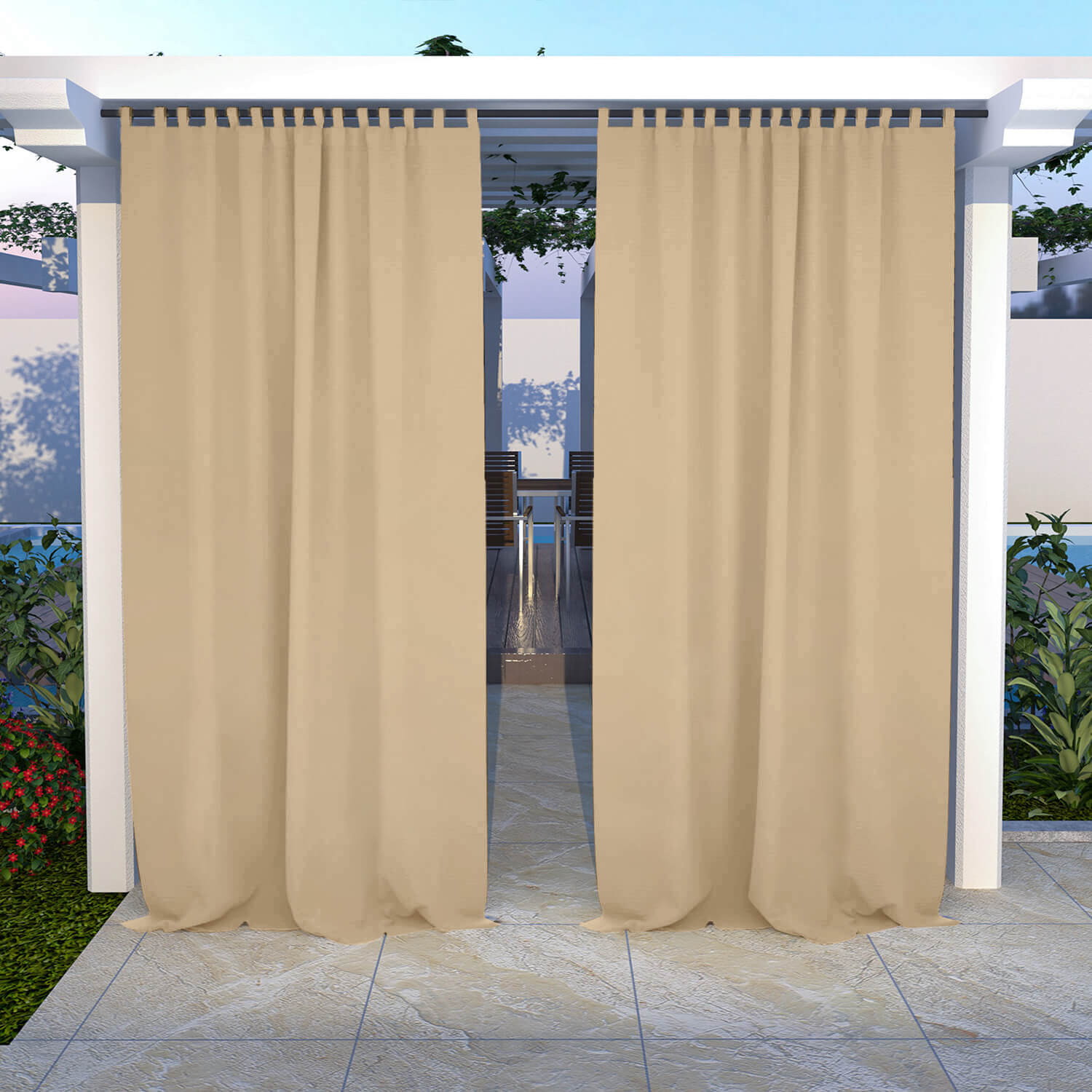
Outdoor Curtain Ideas for Patio Spaces
A patio can feel more useful when it has flexible edges. Outdoor curtains can frame an opening, soften a hard pergola line, and give you a screen to draw when you want more privacy or less direct glare. The most successful outdoor curtain ideas start with how you actually use the space: where people sit, where the sun moves, and which views you want to keep or cover.
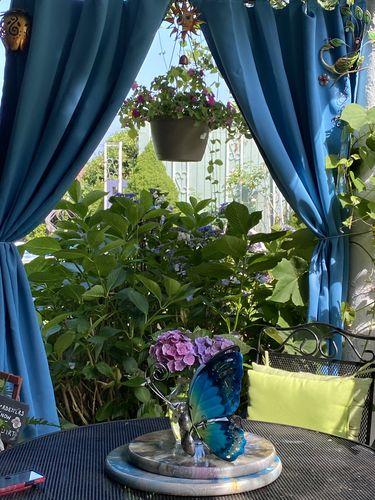
1. Frame a covered patio like an outdoor room
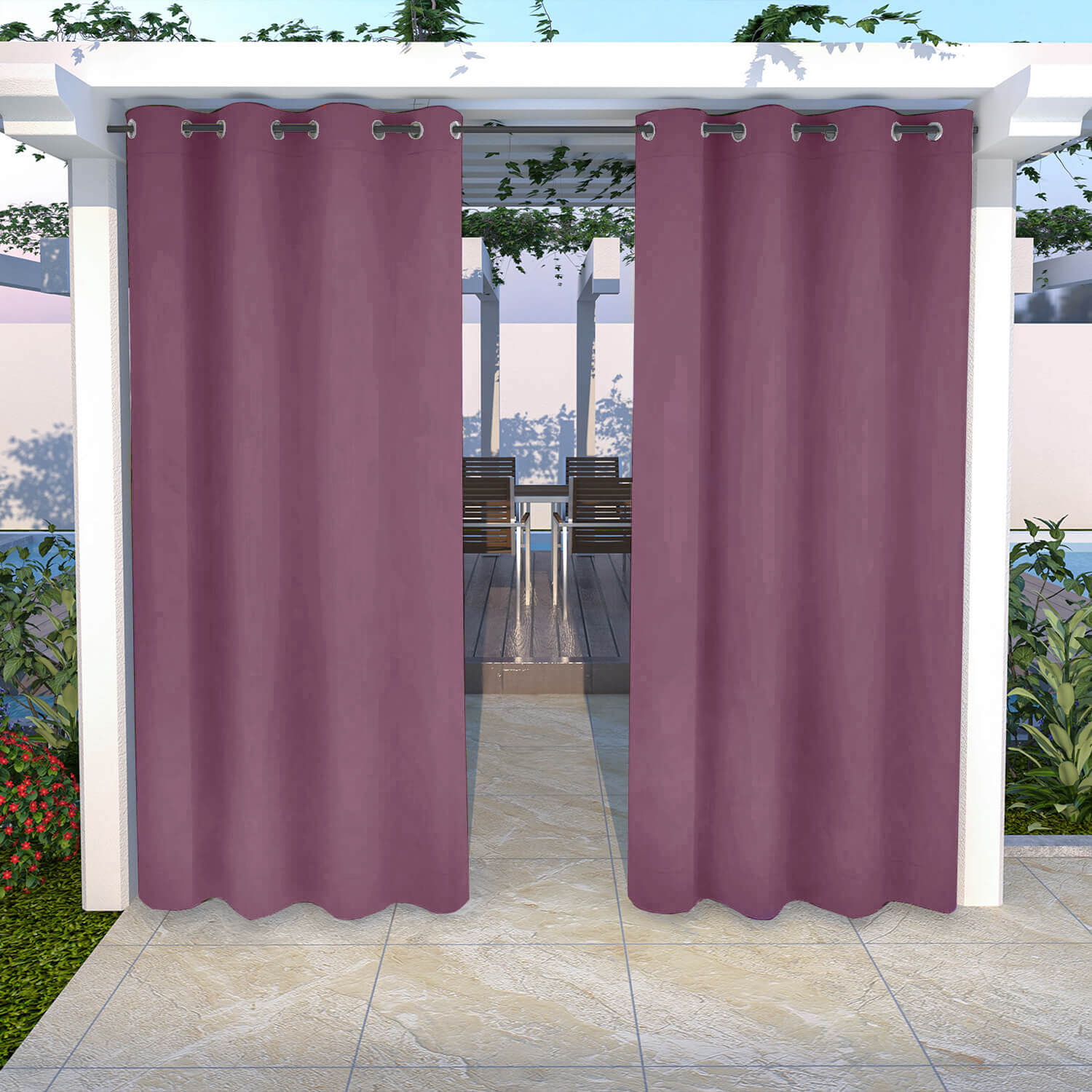
On a covered patio, place panels at the outer corners of the roof line. Leave them tied back for an open-room look, then draw the side receiving the strongest afternoon light or the closest neighboring view. This works especially well when the roof already provides overhead cover and the curtains are there for adjustable side screening.
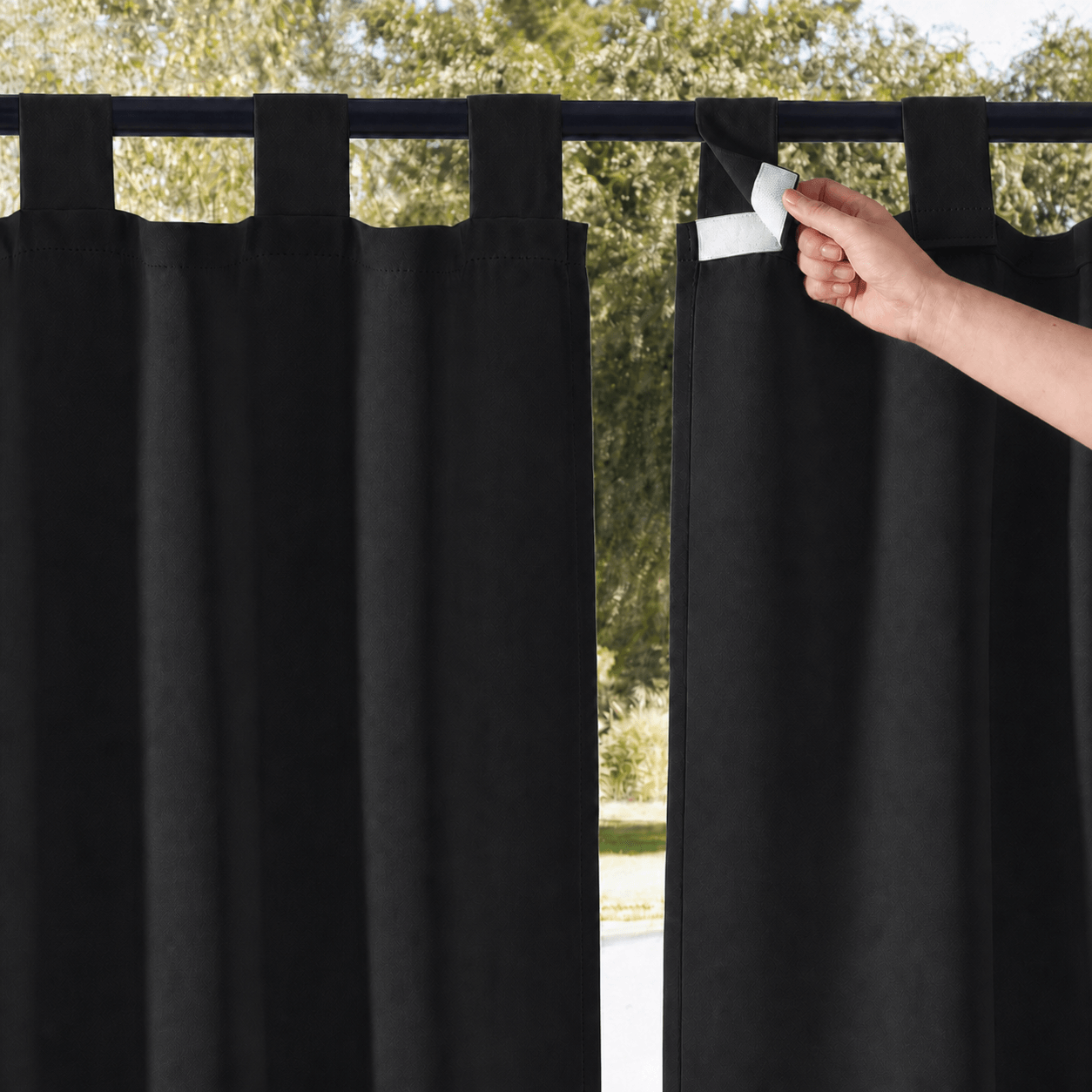
Choose a width that still leaves enough fabric to close without stretching the panel flat. A simple rod, sturdy hooks, and tiebacks positioned at a comfortable reach make the setup easier to use every day.
2. Add soft sides to a pergola or gazebo
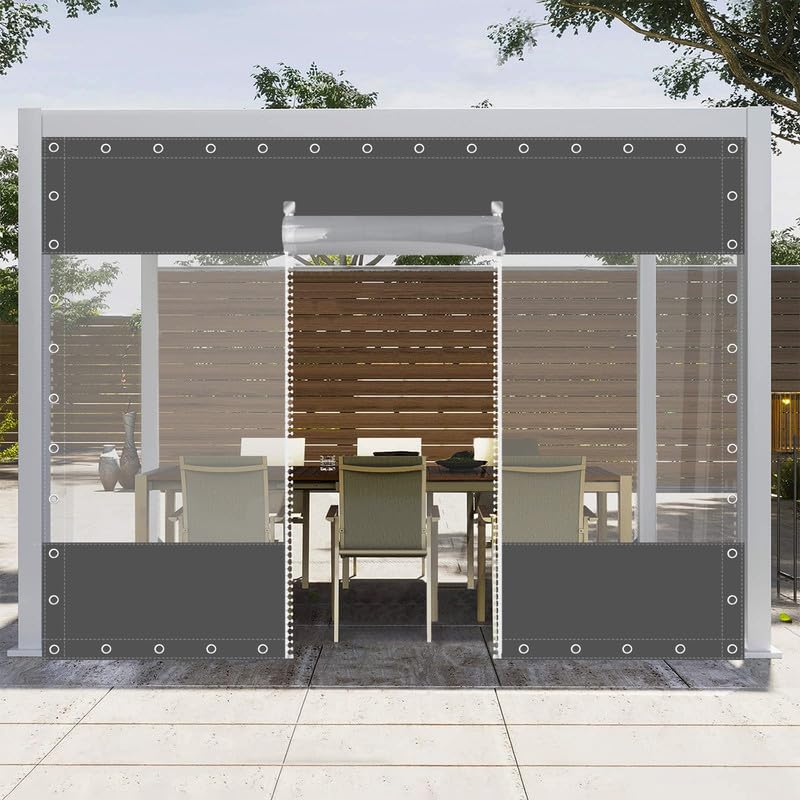
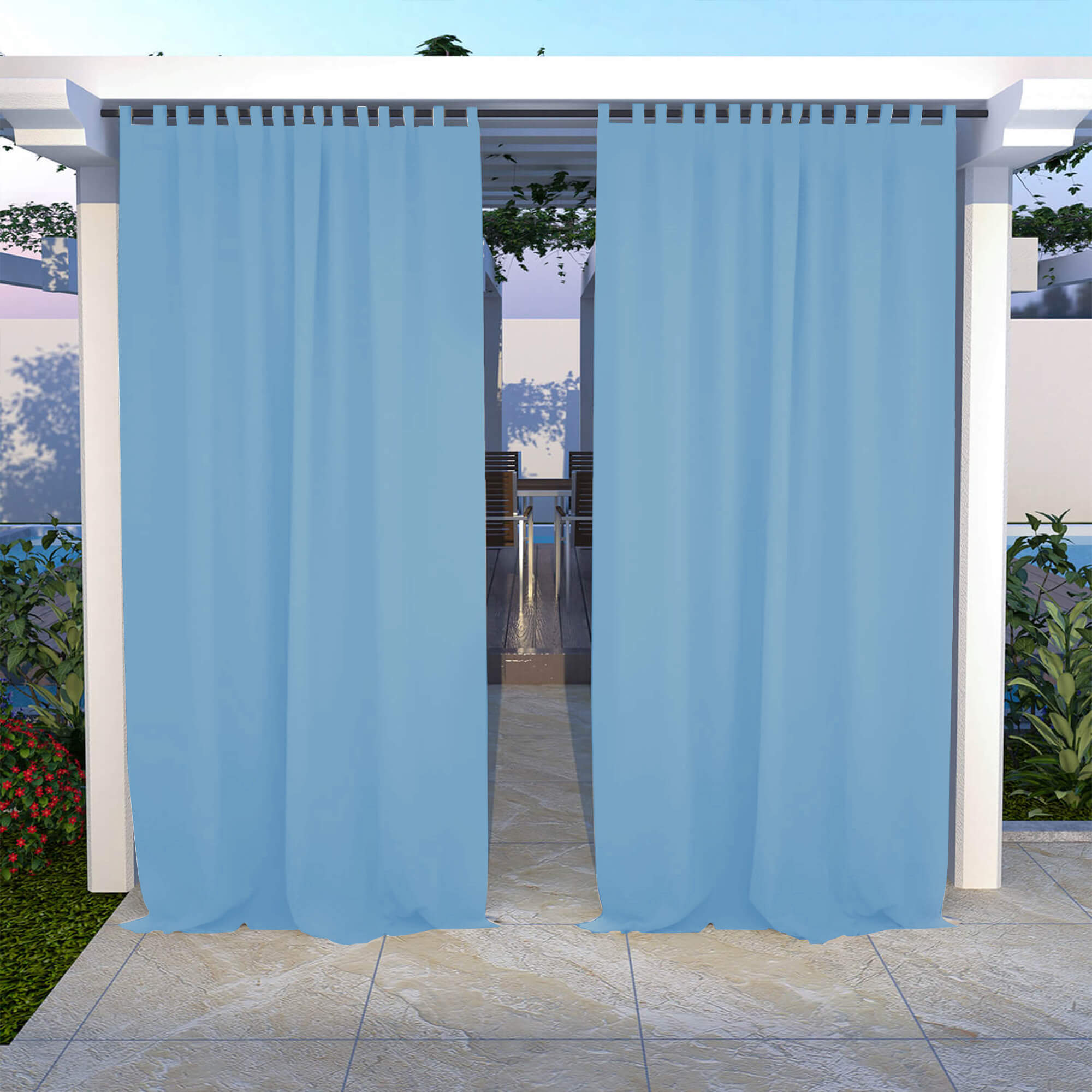
Pergolas and gazebos often have clear structural posts, which makes curtain placement straightforward. Mount panels inside the posts if you want the structure to stay visually prominent, or outside the posts for a fuller, softer outline. Four-corner layouts look balanced, while a two-panel layout is useful when only one or two sides need privacy.
For breezy locations, use a secure rod and plan for tiebacks or holdbacks. Curtains can reduce a light breeze through one opening, but they are not a substitute for a wind-rated enclosure. Pull them open and secure them before high winds.
3. Create a porch reading or dining nook
A porch often needs less coverage than a freestanding patio. Try one pair of panels at the end of a seating area, or use curtains between posts to distinguish a dining spot from a walkway. The fabric creates a visual boundary without adding a solid wall, so the porch can still feel connected to the yard.
If morning or late-day glare is the issue, install the panels on the side facing that sun angle. A small, targeted layout is often more useful than surrounding every opening.
4. Use curtains to make a balcony feel more private
For a covered balcony, curtains can screen a side view while preserving the open front. Keep the rail, building rules, and drainage in mind before choosing hardware. Use the existing ceiling or approved posts rather than attaching to a shared wall without permission.
Light-filtering colors help the balcony stay visually open; darker panels can make the screen feel more defined. Neither choice guarantees complete privacy at night when interior lighting is brighter than outdoors, so test the view from both sides before committing.
5. Choose a color that matches the patio goal
- Soft neutrals: beige, sand, and warm gray pair easily with wood, stone, and woven furniture. They can keep a small patio looking light, though stains may show differently depending on the fabric and surroundings.
- Deep tones: navy, charcoal, and dark green create a stronger frame around a view and can make a bright opening feel calmer. They may also make the patio look more enclosed when drawn.
- Match the fixed elements: repeat a tone from the cushions, planters, trim, or pergola rather than trying to match every surface exactly.
For more help deciding between light and dark panels, see our outdoor curtain color guide.
6. Make tiebacks part of the design
Tiebacks are not only decorative: they keep open panels away from a table, grill path, or doorway. Mount them around one-third of the way up the post for a relaxed drape, or slightly higher for a cleaner, more vertical line. Fabric ties suit a casual garden look; simple metal holdbacks can feel more structured.
In rainy weather, let damp panels dry fully before tying them into a tight bundle. For practical care and storage steps, read how to clean and store outdoor curtains.
Turn an idea into the right curtain setup
Before shopping, measure each opening and note the rod height, the direction of sun and wind, and whether you want panels usually open or usually closed. Then choose a fabric appearance and color that support that plan. Curtains can offer flexible shade and visual screening, but performance depends on the installation, fabric, and weather—not on a single style choice.
Browse Snowcity outdoor curtains for your patio idea. Start with the openings you use most, then build a layout that looks intentional when the panels are open as well as when they are drawn.
Outdoor Curtain Ideas FAQ
Where can outdoor curtains be used?
They work best on a covered patio, porch, pergola, gazebo, or approved covered balcony where there is a secure mounting point and enough room for the panels to move.
How do outdoor curtains change a patio?
They can frame views, create visual zones, add adjustable side shade, and offer some privacy when drawn. They do not make an open patio fully weatherproof or windproof.
What outdoor curtain layout looks best?
Use the fewest panels that solve the actual need. A pair at one opening often looks more natural and functions better than curtains covering every side.
How should outdoor curtains be tied back?
Use a tieback or holdback that keeps the panel clear of walkways and lets it dry after rain. Secure loose panels before strong wind.