Outdoor Curtains for Porch Privacy: A Practical Buying Guide
Aug 01,2026 | Snowcity
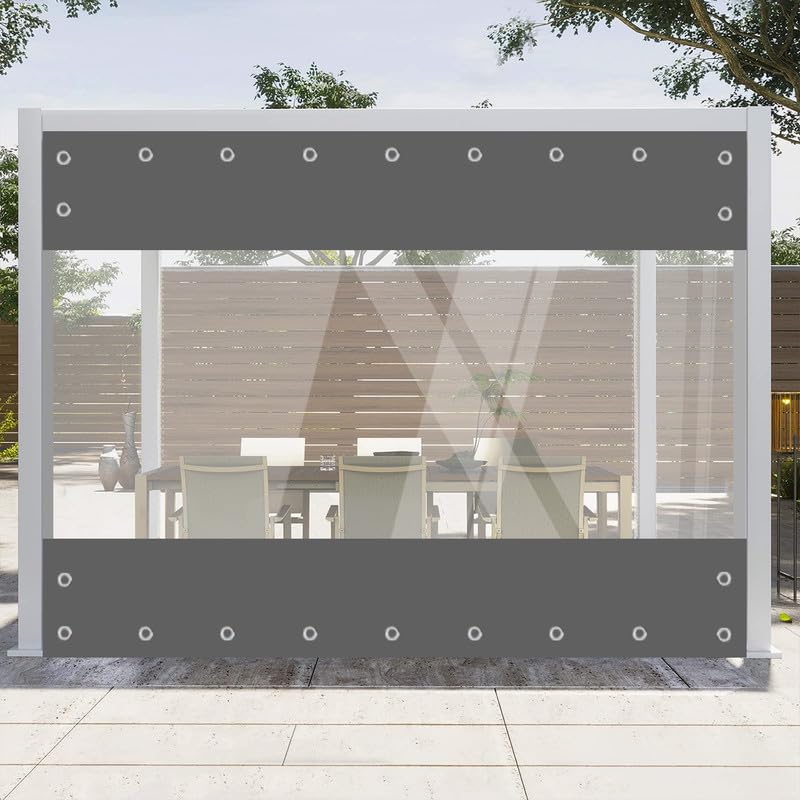
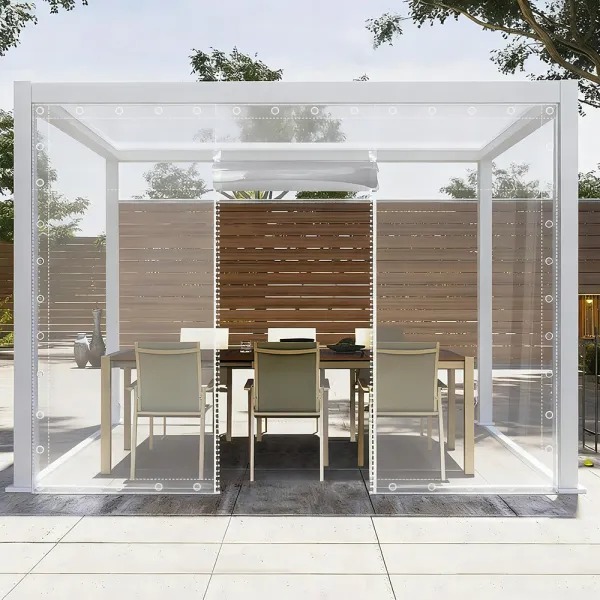
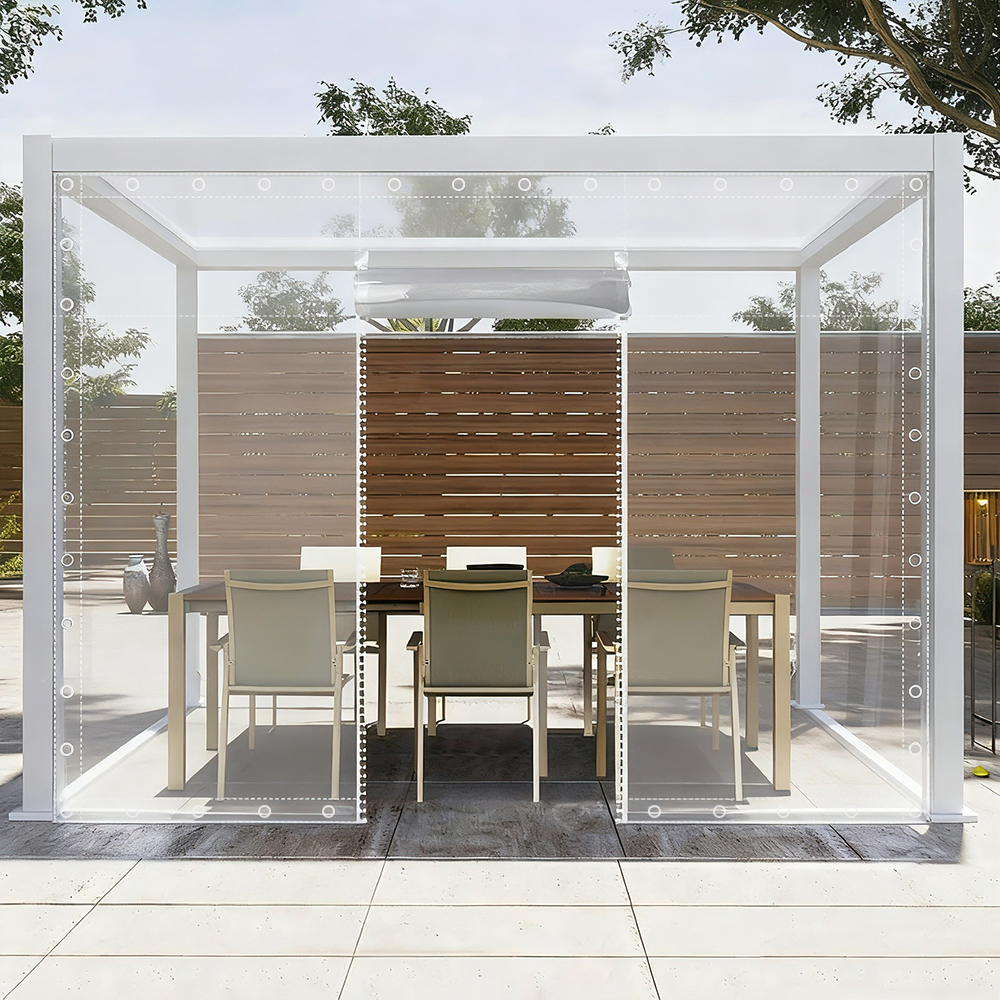
A porch can be a favorite place to sit, but an open side facing a sidewalk, driveway, or neighboring home may make it feel more exposed than relaxing. Outdoor curtains for porch use give you adjustable visual screening: close panels when you want a little separation, then open and tie them back when you want the view and airflow.
Curtains are a flexible privacy layer, not a security barrier, storm shutter, or complete weather enclosure. The most useful setup starts with a measured opening, hardware attached to a sound structure, and a plan for wind.

Do outdoor curtains provide porch privacy?
Yes, when the panels are wide enough to cover the opening and overlap when closed. They can break direct sightlines from the street or a nearby property while still letting you open the porch when privacy is not needed. For a porch that is visible from more than one direction, cover the most exposed side first rather than assuming every opening needs a panel.
Privacy depends on the fabric, color, lighting, and how the panels meet in the middle. A light-colored, loosely spaced panel may soften a view but not fully screen it; a denser-looking or darker option may create a stronger visual boundary. At night, interior or porch lighting can make any curtain less private from the outside, so test the view in the conditions you actually use the space.
For a broader look at shade and styling choices, read our outdoor curtains for porch guide.
Choose the porch openings that benefit most
Outdoor curtains work especially well on a covered porch with posts, beams, or another solid place to mount a rod or track. They are useful along the side that faces a neighbor, a busy path, or low afternoon sun. Before ordering, make sure the panels will clear doors, railings, ceiling fans, lights, and any step where fabric could become a tripping hazard.
Measure where the hardware will sit, not simply the outer edge of the porch roof. Record the finished height from the rod or track to the deck or floor. A hem just above the surface usually moves more easily and is less likely to pick up dirt or hold moisture after rain.
One panel or multiple panels?
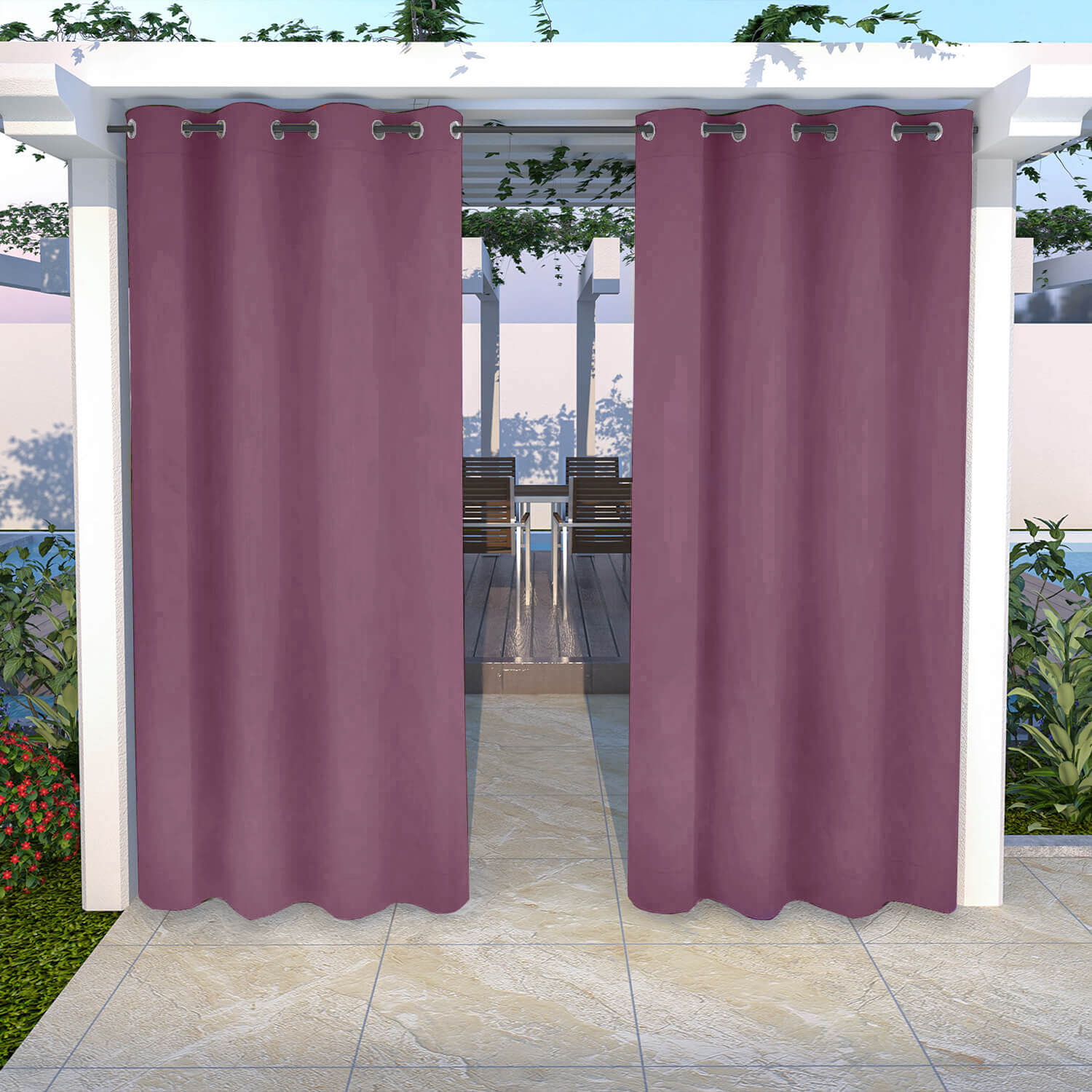
For a narrow opening, one panel can be practical if it has a convenient place to stack when open. For most porch bays, two panels that meet in the center are easier to operate and easier to tie back. Multiple panels also let you open only one side for a breeze or passage.
As a planning range, use a combined panel width of about 1.5 to 2 times the installed hardware span. Closer to 1.5 times gives a cleaner, flatter look; closer to 2 times creates fuller folds and helps reduce straight-through gaps. Include enough overlap at the center and near posts, especially if privacy is the main goal.
Color and opacity: keep the porch comfortable
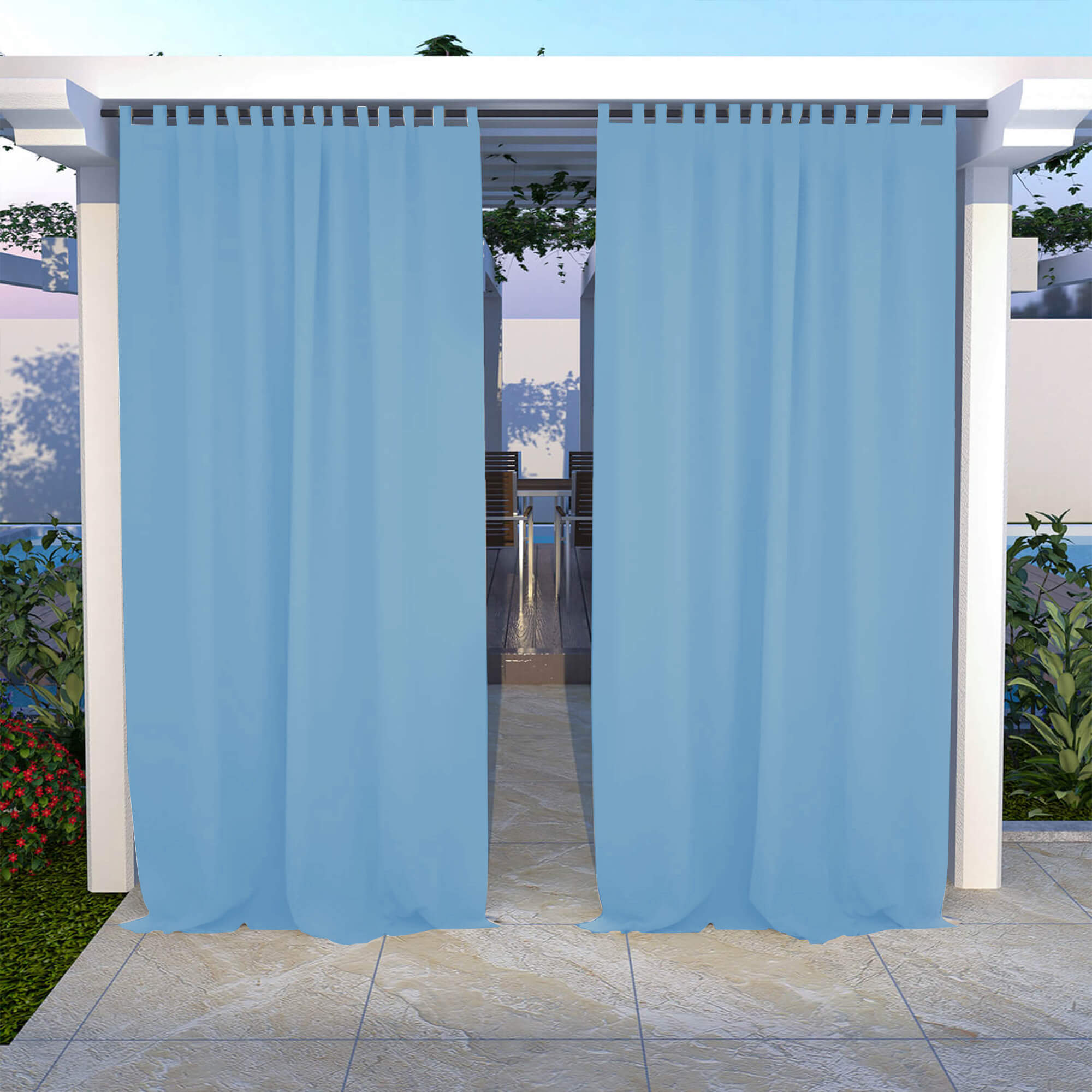
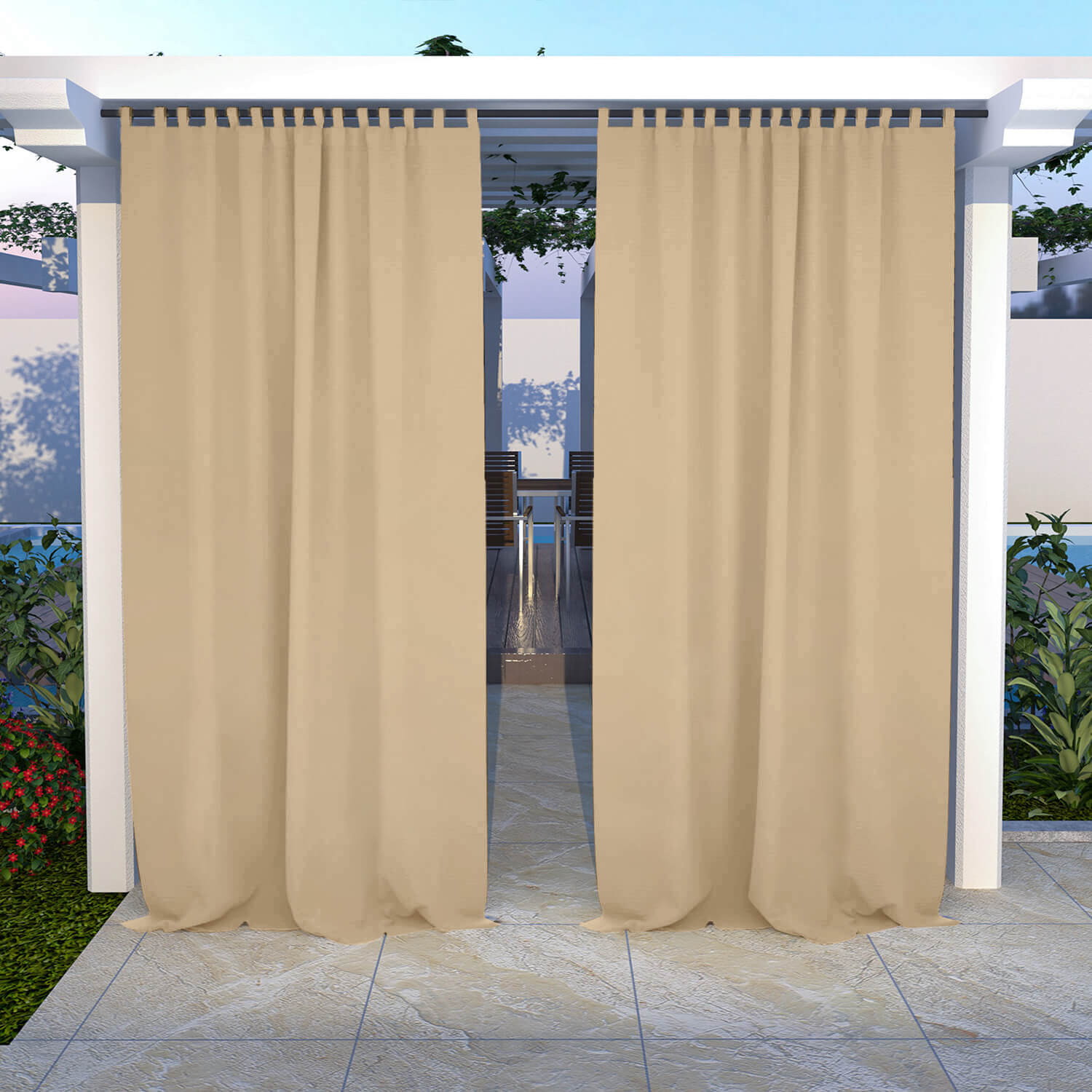
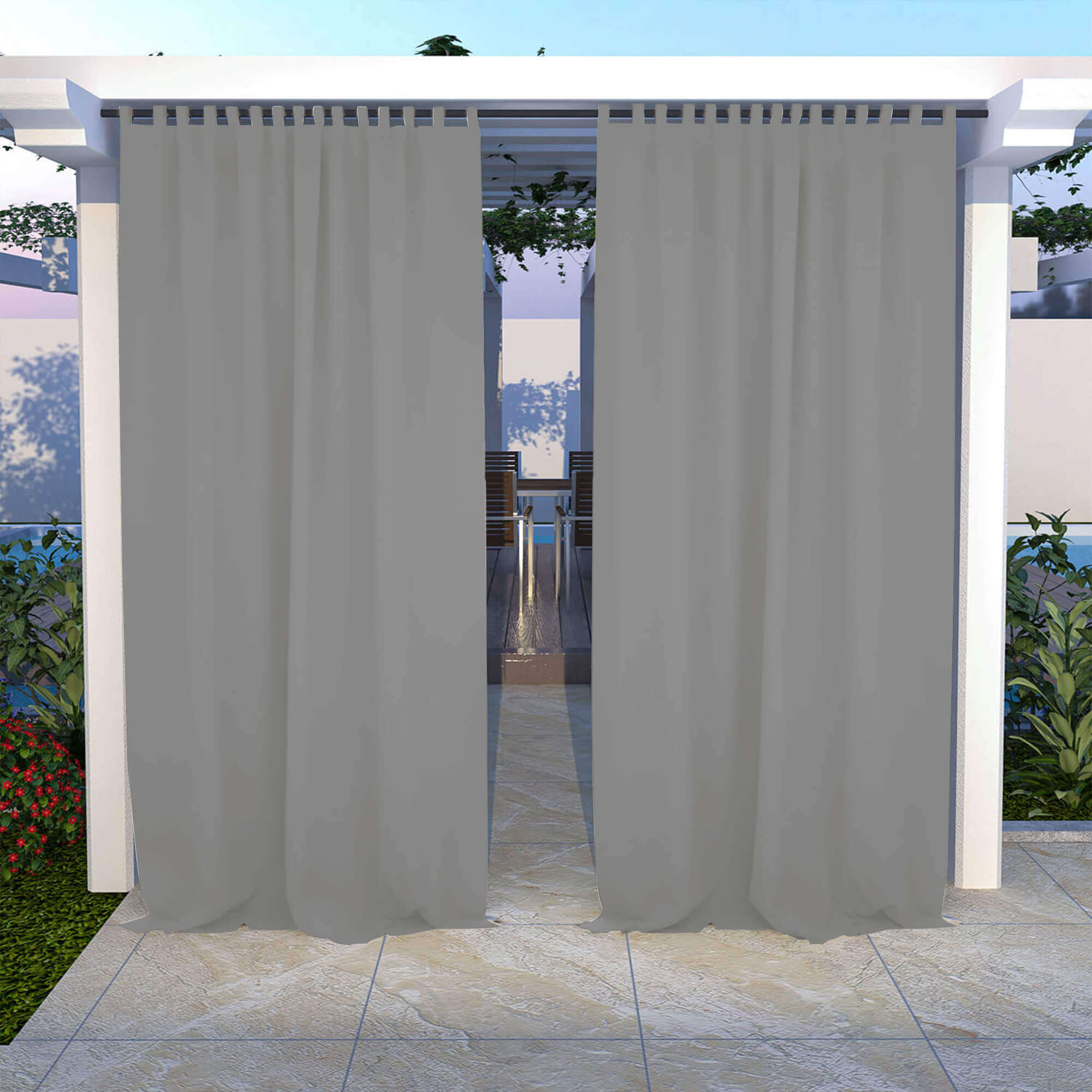
Color changes both the look of the porch and how private it feels. Light neutrals can keep a covered space visually open and bright. Medium or darker tones tend to make a stronger visual screen and can reduce the perception of glare, but they may also make a small porch feel more enclosed.
Rather than relying on a label alone, compare product photos, fabric details, and the level of coverage you need. More opacity can improve daytime screening, yet no ordinary curtain should be expected to block every silhouette or all light from every angle. If you are choosing between privacy and airflow, consider a setup that can stay partly open when the weather is calm.
Use tiebacks, then manage wind deliberately
Yes, porch curtains can stay tied back. Tiebacks, holdbacks, or clips keep panels clear of walkways and prevent them from drifting across a doorway when the porch is open. Install them where the gathered fabric will not rub against rough trim or interfere with furniture.
In breezy conditions, open panels should be tied back securely. Closed panels can still move, so use hardware and any bottom or side securing method according to its instructions. Do not count on curtains to withstand severe weather; secure, remove, or bring them in when conditions and the product care guidance call for it. Our privacy and wind guide explains the tradeoffs in more detail.
Build a porch setup around how you live outside
Start with the side you most want to screen, then choose a panel width, length, and color that fit the porch. A measured, easy-to-open setup is more likely to be used every day than a permanent-looking enclosure that blocks the whole space.
Explore the Snowcity Outdoor Curtains collection to compare options for shade, privacy, and everyday patio or porch use. Check each product's dimensions, fabric details, and care guidance before making a final choice.
Shop Snowcity Outdoor Curtains for a more private porch, then choose panels that fit your openings and your local conditions.
Frequently asked questions
Do outdoor curtains provide privacy on a porch?
They can reduce direct sightlines when panels have sufficient width, overlap well, and are closed. The degree of privacy also depends on fabric, color, lighting, and the viewing angle.
How many curtain panels do I need for a porch?
Two panels per opening are often the most flexible choice because they meet in the middle and tie back to either side. Use a combined width of roughly 1.5 to 2 times the installed rod or track span as a starting point.
What color outdoor curtains are best for privacy?
Darker or denser-looking fabrics often create a stronger visual boundary, while light neutrals keep the porch brighter. Review the product details and consider nighttime lighting before deciding.
Can outdoor porch curtains stay tied back?
Yes. Tiebacks, holdbacks, or clips can keep panels open and clear of doors or walkways. Use secure attachment points and manage panels appropriately when wind picks up.
Comment