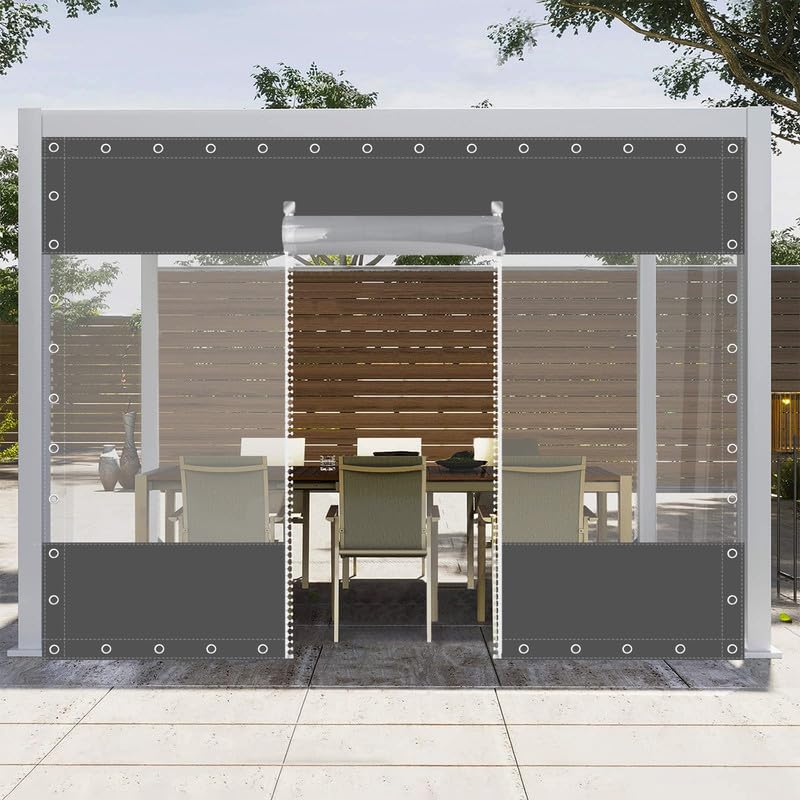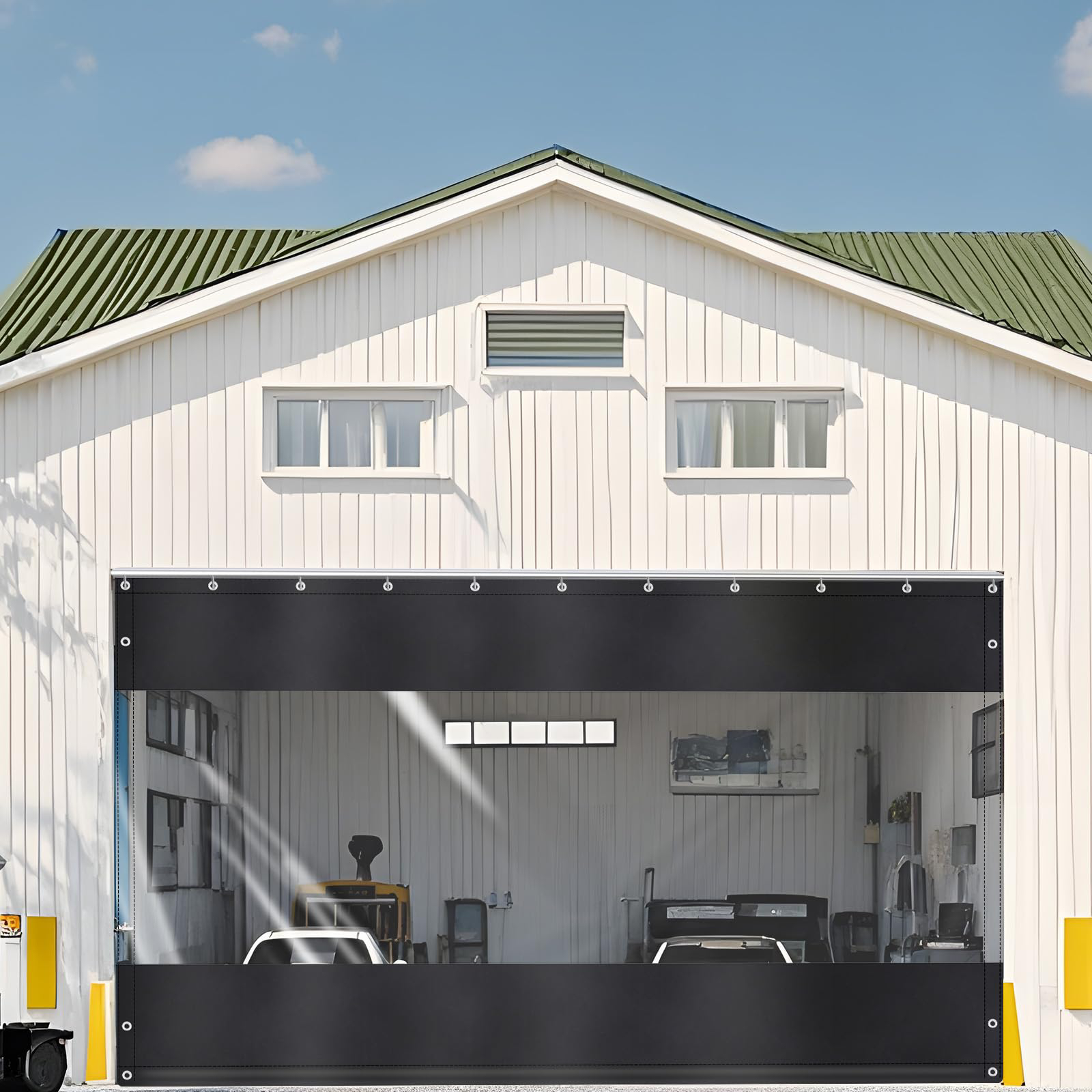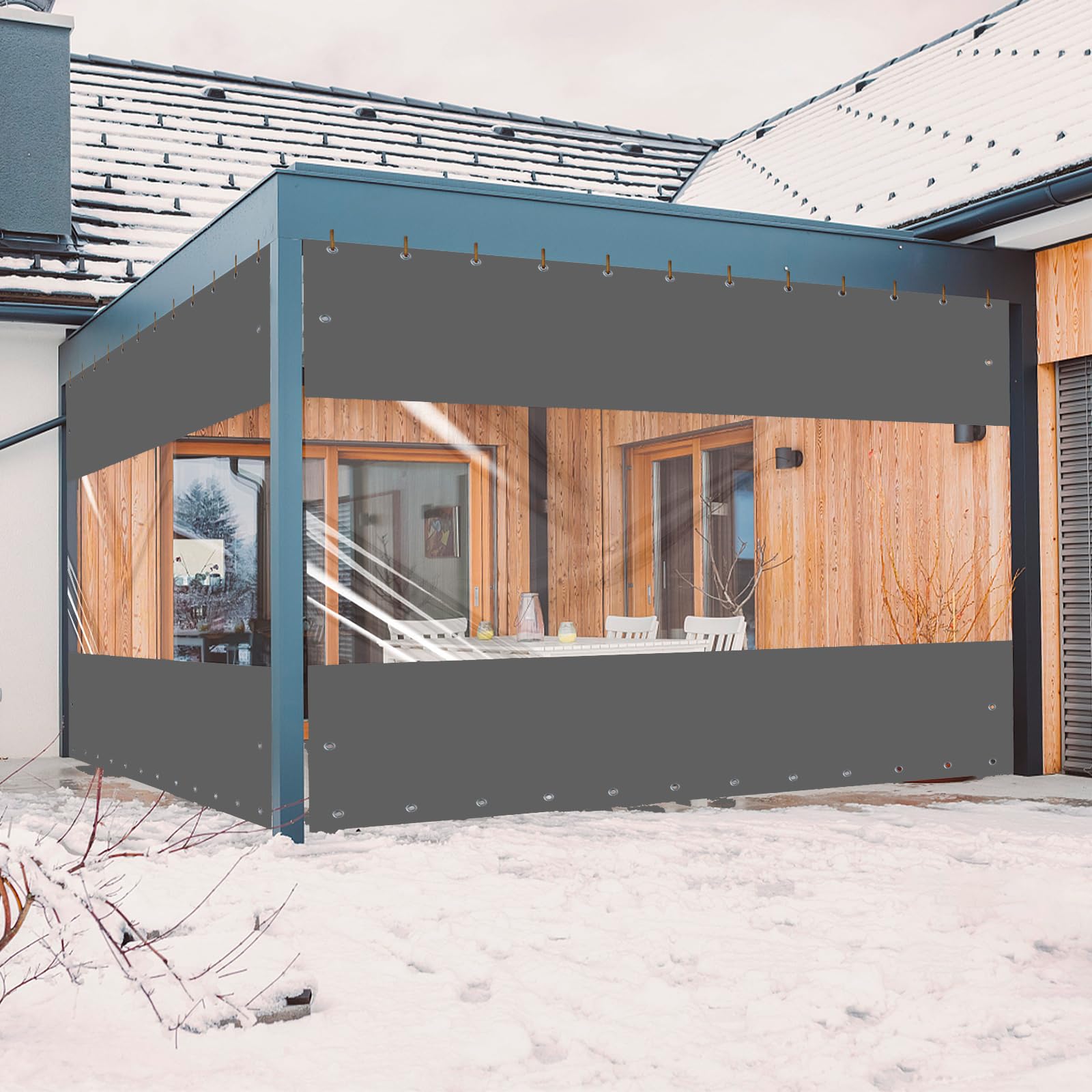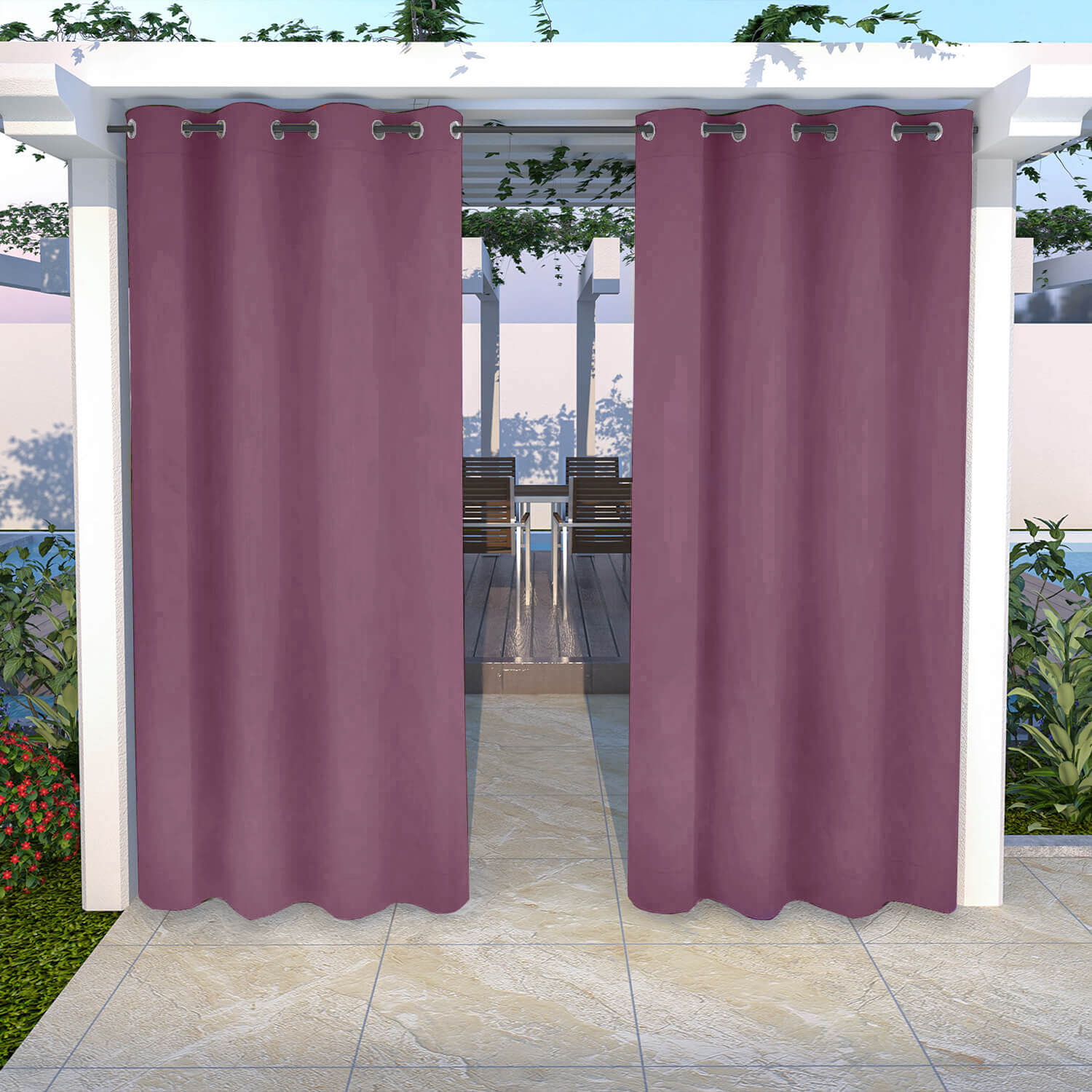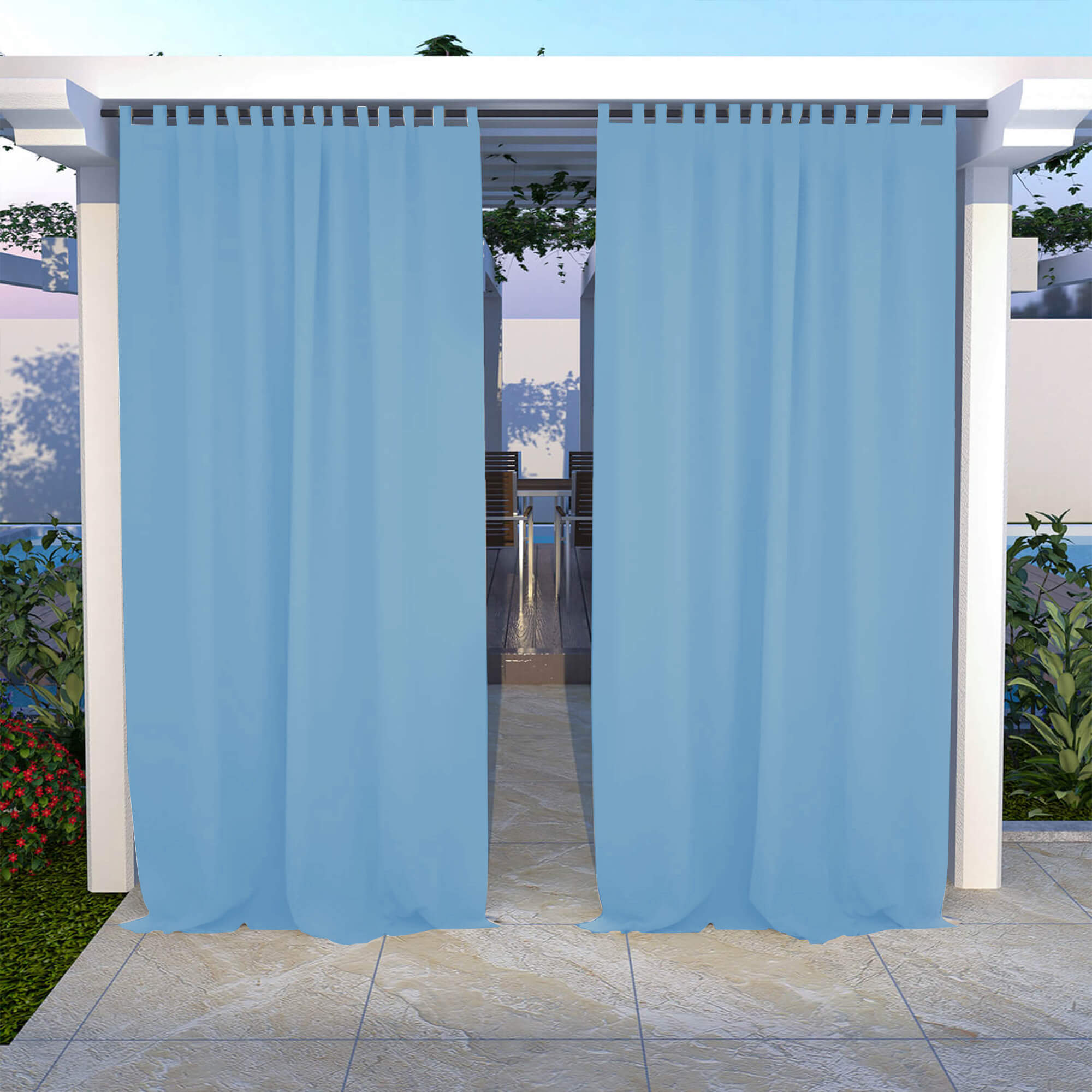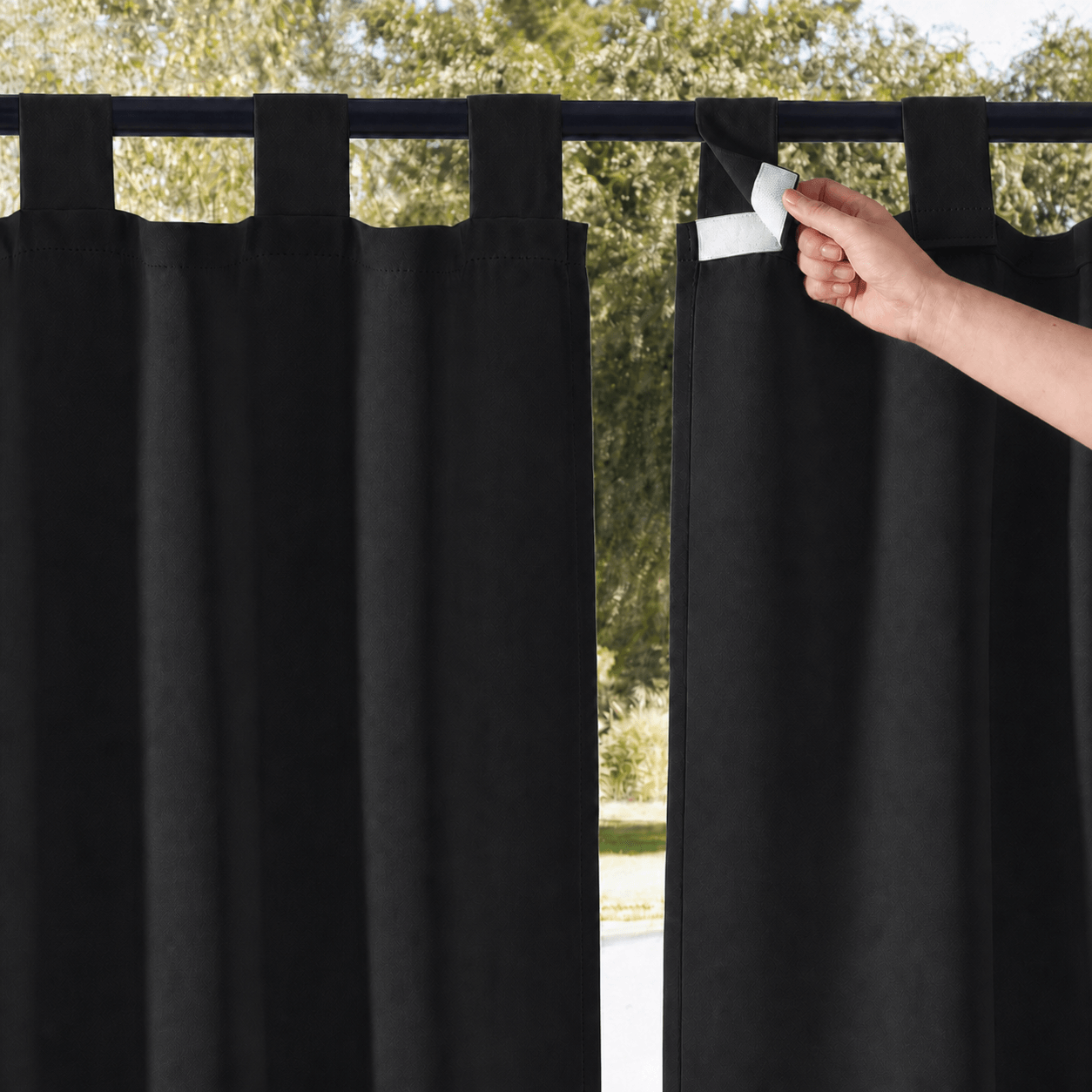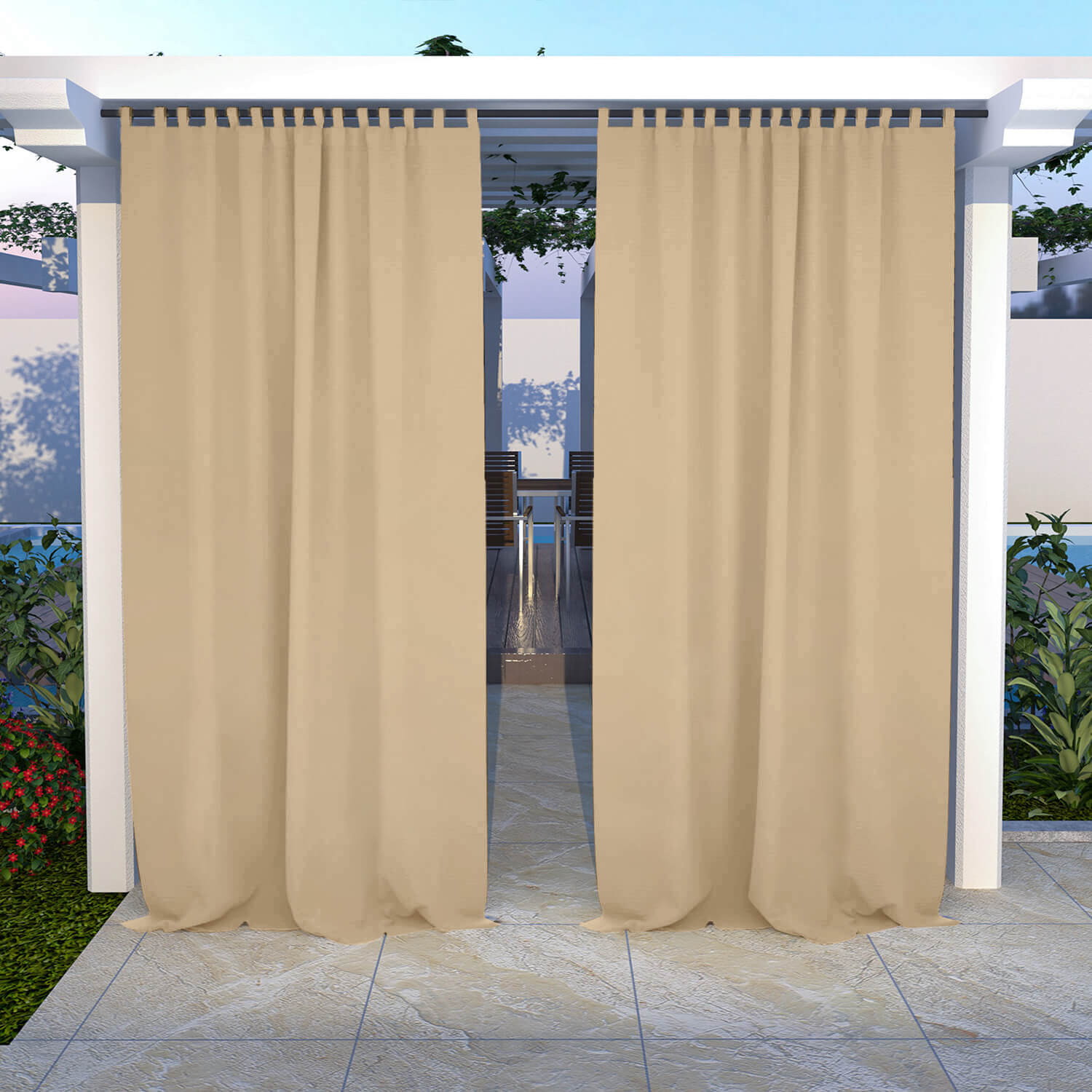
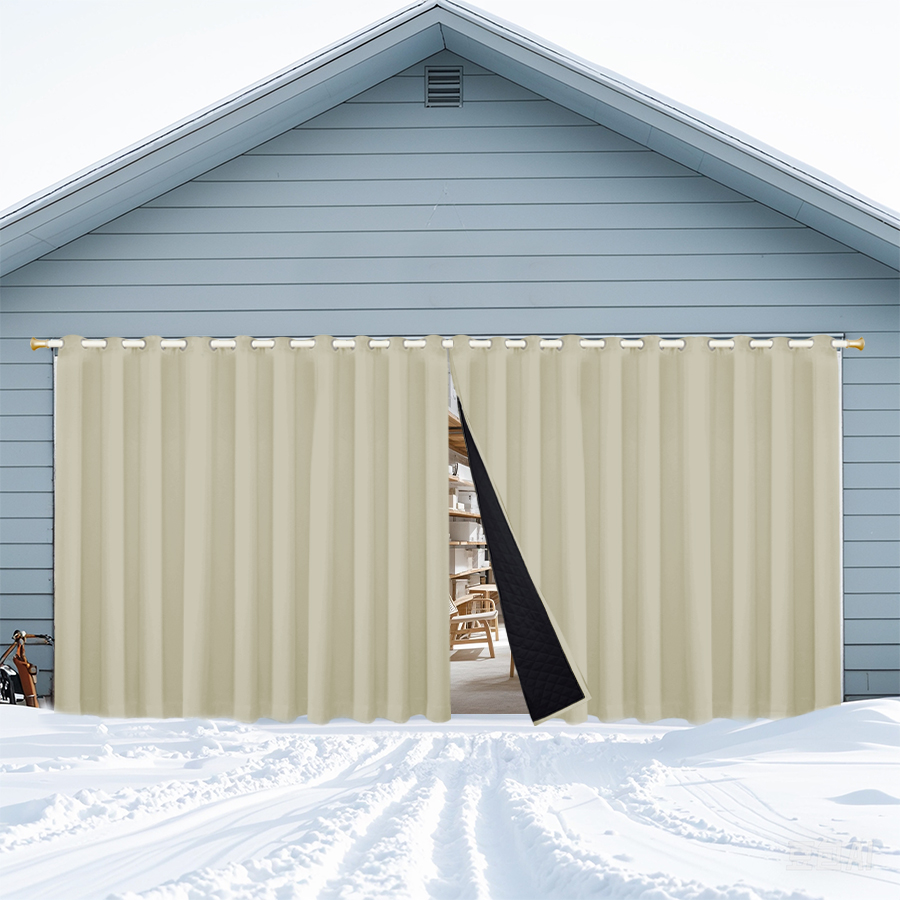
A screened porch is pleasant in mild weather, but the same screens that bring in a breeze can make the space feel exposed in winter. Insulated curtains for a screened porch can add flexible coverage at the open sides, helping you manage direct drafts, privacy, and day-to-day use without treating the porch as a permanently conditioned room.
Can Insulated Curtains Work in a Screened Porch?
Yes, when the goal is a more sheltered seating or entry area. A curtain panel creates an additional layer between the porch and moving air, especially on the sides that receive the most wind. The result depends on the roof, the direction of the weather, the mounting method, and the gaps that remain around the installation.
It is important to set realistic expectations. Curtains do not turn a screened porch into an airtight enclosure, and they are not a replacement for permanent construction, a code-compliant heating system, or severe-weather protection. Their value is flexibility: close the panels when the porch needs coverage and open or secure them when the weather changes.
Mount to the Structure, Not the Screen
The screen should not carry the curtain load. Plan a rod, track, brackets, or another suitable system on a structural header, post, frame, or other mounting surface that can support the panel weight. Before ordering, note the full mounting width, finished drop to the floor or deck, locations of posts, and the space needed when the panels are stacked open.
For more general layout ideas, see Snowcity's guide to outdoor curtains for a screened porch. For winter use, give extra attention to where the top, side, and bottom edges meet the structure. These are the areas where a direct draft is most likely to pass around a panel.
Plan the Gaps and Panel Overlap
A measured installation is more useful than simply choosing the largest panel. Measure the entire span from mounting point to mounting point, not only the visible open space between screens. Allow room for gathering and overlap where two panels meet, then make sure the finished length works with the floor surface and the hardware.
- Top edge: place the mounting line as close to the covered structure as the hardware and layout allow.
- Side edges: decide how each panel will meet a post or wall and how it will be held when closed.
- Panel joins: include overlap so a center opening does not become an unplanned gap.
- Bottom edge: keep only the clearance needed for operation and the finished surface.
For divided openings, irregular spans, or a walk-through area, record each section separately. A custom layout is most helpful when it solves a real measurement or access constraint rather than adding complexity for its own sake.
Choose Fabric and Privacy Around How You Use the Porch
Solid insulated fabric is a practical choice when privacy and reduced exposure to a direct draft are priorities. Snowcity's Insulated Outdoor Curtains for Winter collection is designed for winter-oriented outdoor openings and describes a thermal cotton interlayer for the product range. In a sheltered porch installation, a thicker panel can be part of a more comfortable layering plan.
Visibility is a separate choice. If keeping a view matters, discuss a clear PVC vision-window configuration for an appropriate custom layout. A solid panel generally provides more privacy, while a window section preserves sightlines. Neither option seals the porch by itself, so choose the configuration based on the space's real use.
Use a Heater Carefully and Keep Ventilation in Mind
For occasional winter use, a properly rated heater may be part of the plan, but curtains should never be treated as a reason to ignore heater instructions, clearance requirements, local rules, or ventilation needs. Keep fabric and hardware clear of heat sources, use only equipment suitable for the location, and follow the heater manufacturer's safety guidance.
Start with the curtain layout and weather exposure first. A better-fitted, well-secured panel arrangement can make the porch feel less exposed; a heater is a separate safety and comfort decision, not something curtains make automatically safe.
A Snowcity Option for Winter Porch Coverage
For a covered screened porch, begin with the Light Beige insulated outdoor curtain. Review the listed sizes and header options, then match the panel arrangement to your measured mounting span and daily access path. If the porch has a nonstandard opening, provide the measurements, photos of the mounting area, and the way people enter and exit when asking about a custom configuration.
Secure panels appropriately for the conditions and mounting system. During stronger weather, follow local safety guidance and tie back, secure, or remove the curtains when the installation calls for it. Let wet panels dry before long-term storage.
Frequently Asked Questions
Will insulated curtains damage porch screens?
They should not be mounted to the screens. Use hardware attached to a suitable structural surface, and confirm the hardware rating and fasteners before installation.
Which gaps matter most on a screened porch?
The top edge, panel joins, side edges near posts, and bottom clearance are the main places to review. Their importance depends on wind direction and the porch layout.
Are insulated curtains enough without a heater?
They can make an exposed side feel more sheltered, but they do not guarantee indoor temperatures. Whether a heater is appropriate depends on the space, the equipment, and safety requirements.
Add insulated curtains to make a screened porch more usable in winter. Explore the Insulated Outdoor Curtains for Winter collection and build the panel plan around your structure, gaps, and access needs.