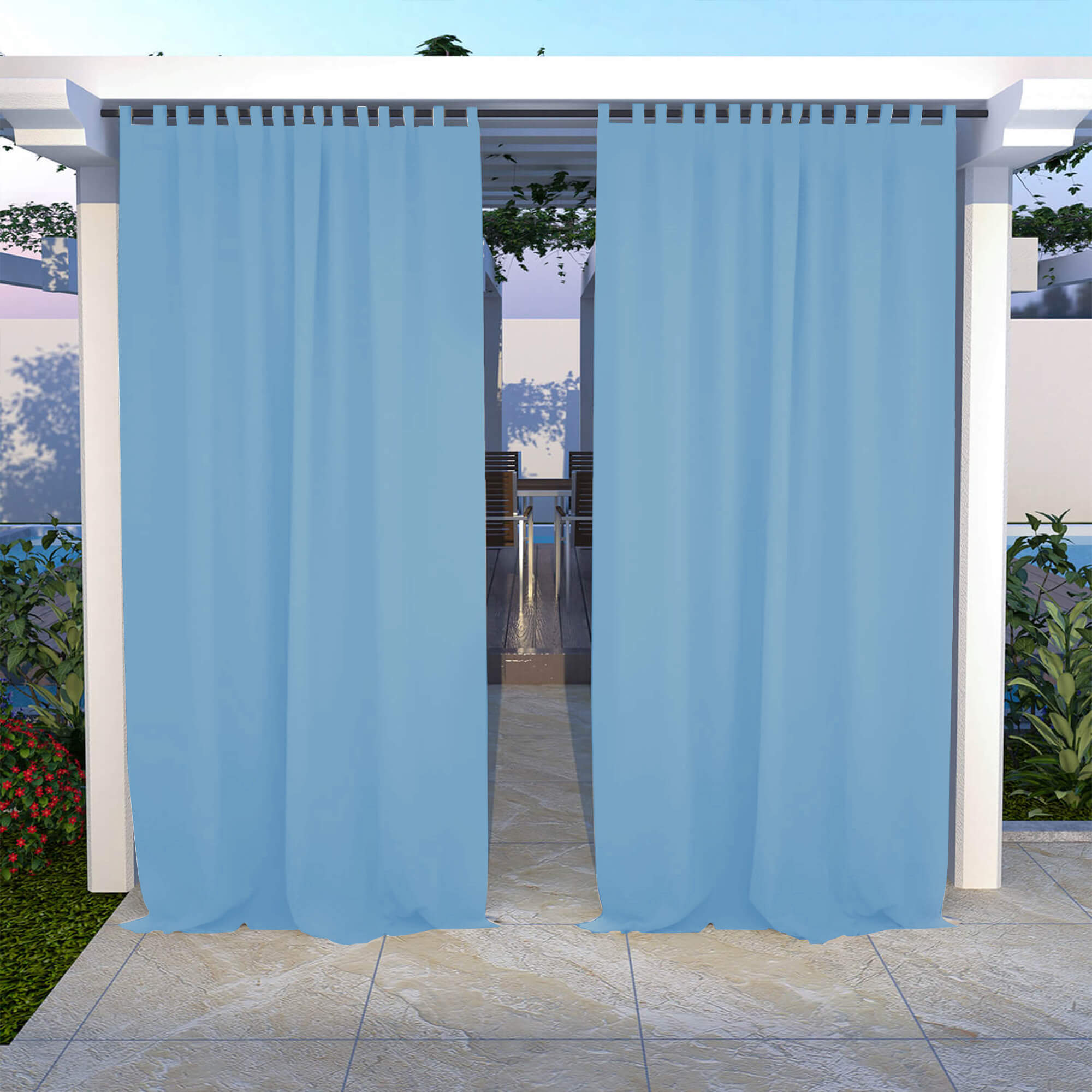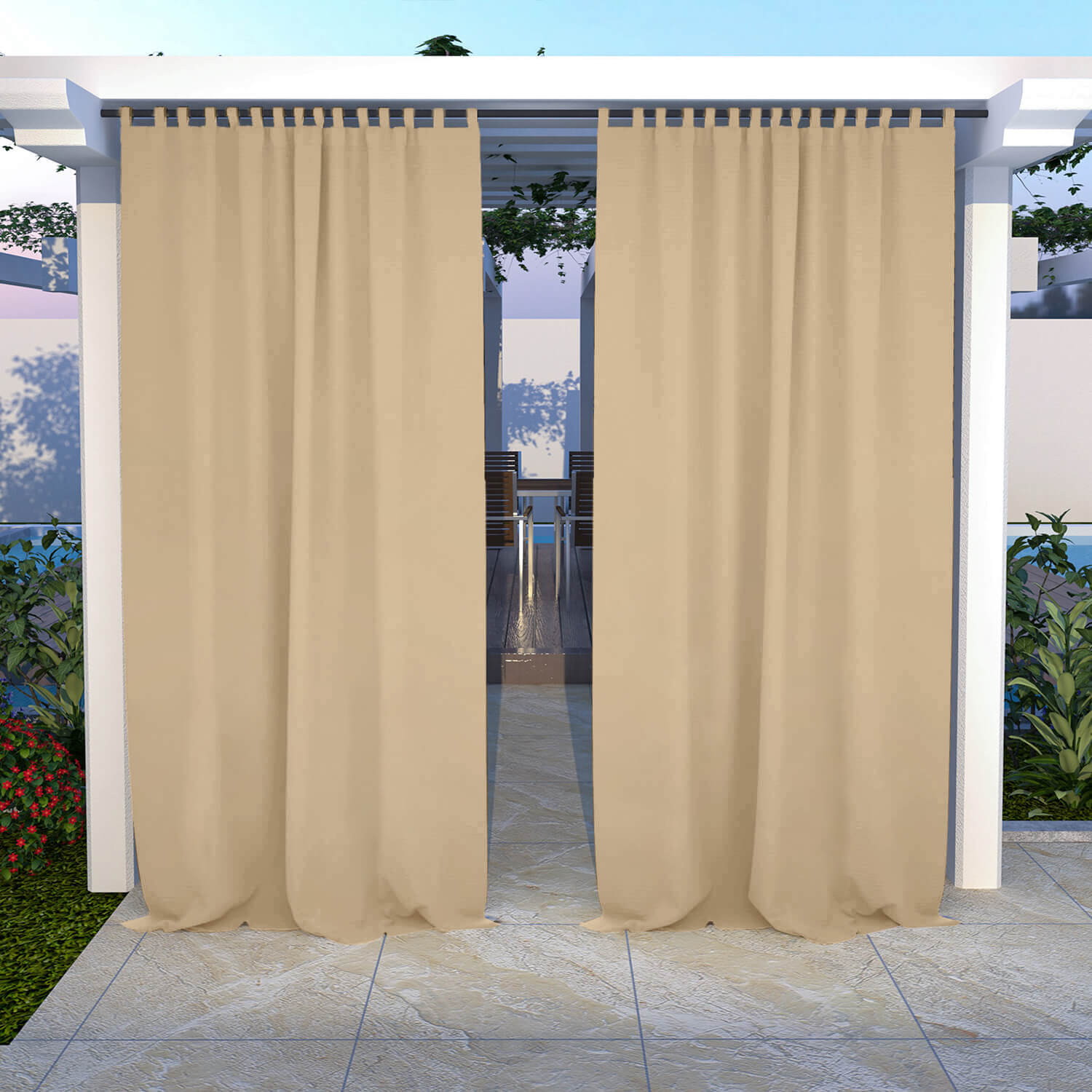
A porch is often the first outdoor space to feel the change in winter. Wind can move through a wide opening, a dining area can lose its sense of shelter, and a walk-through route still needs to stay practical. Winter curtains for a porch can add flexible coverage without converting the structure into a permanent enclosure. The useful choice is not simply the heaviest panel: it is the panel, fit, and opening plan that balance comfort with daily access.
Start With the Porch Opening, Not the Curtain
Before comparing materials, map the opening. Note the finished width, the distance from the mounting line to the floor or deck, posts that interrupt the span, and the path people use to enter. Also consider where a closed panel will stack when the weather is mild. A curtain that looks generous on a product page can be inconvenient if it blocks a door, light, railing, or furniture route.
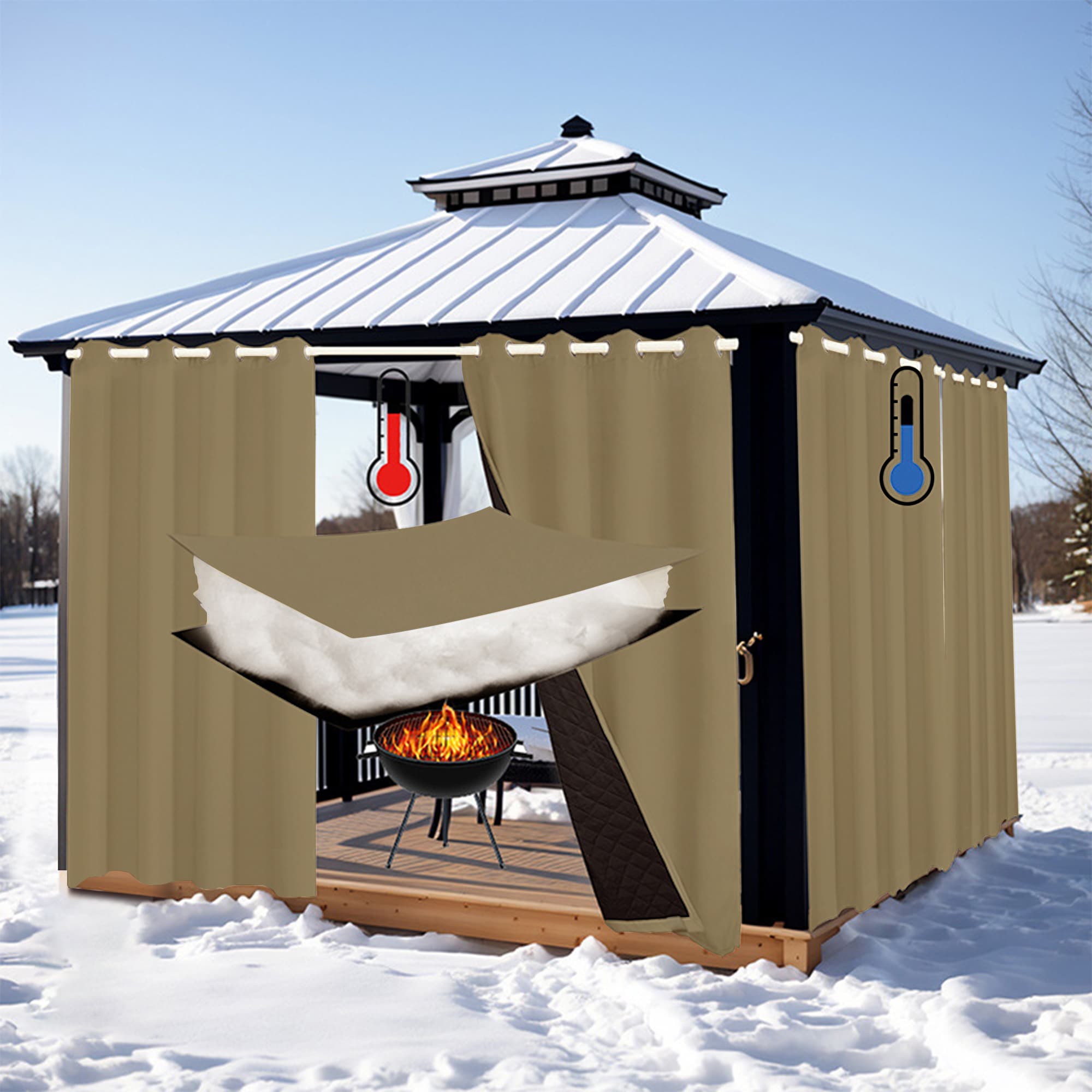
For a covered porch, a fabric curtain can help reduce the feeling of direct airflow and add privacy at the exposed side. It is not an airtight wall or a substitute for permanent construction, heating, or severe-weather protection. Results depend on roof coverage, gaps, wind direction, hardware, and how securely the panels are fastened.
Choose a Material for the Job You Need Done
Solid insulated fabric is a practical starting point when privacy and a less exposed seating area are the priorities. Snowcity's Insulated Outdoor Curtains for Winter collection is designed for winter-oriented outdoor openings, with a thermal cotton interlayer described for the product range. In a sheltered installation, a thicker panel can add a layer between the porch and a direct draft.
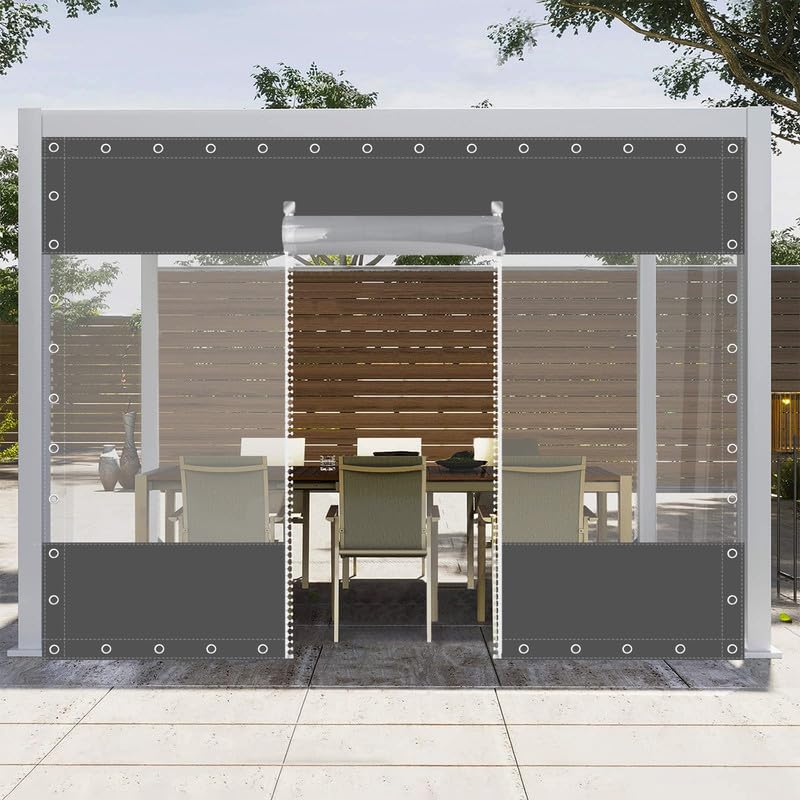
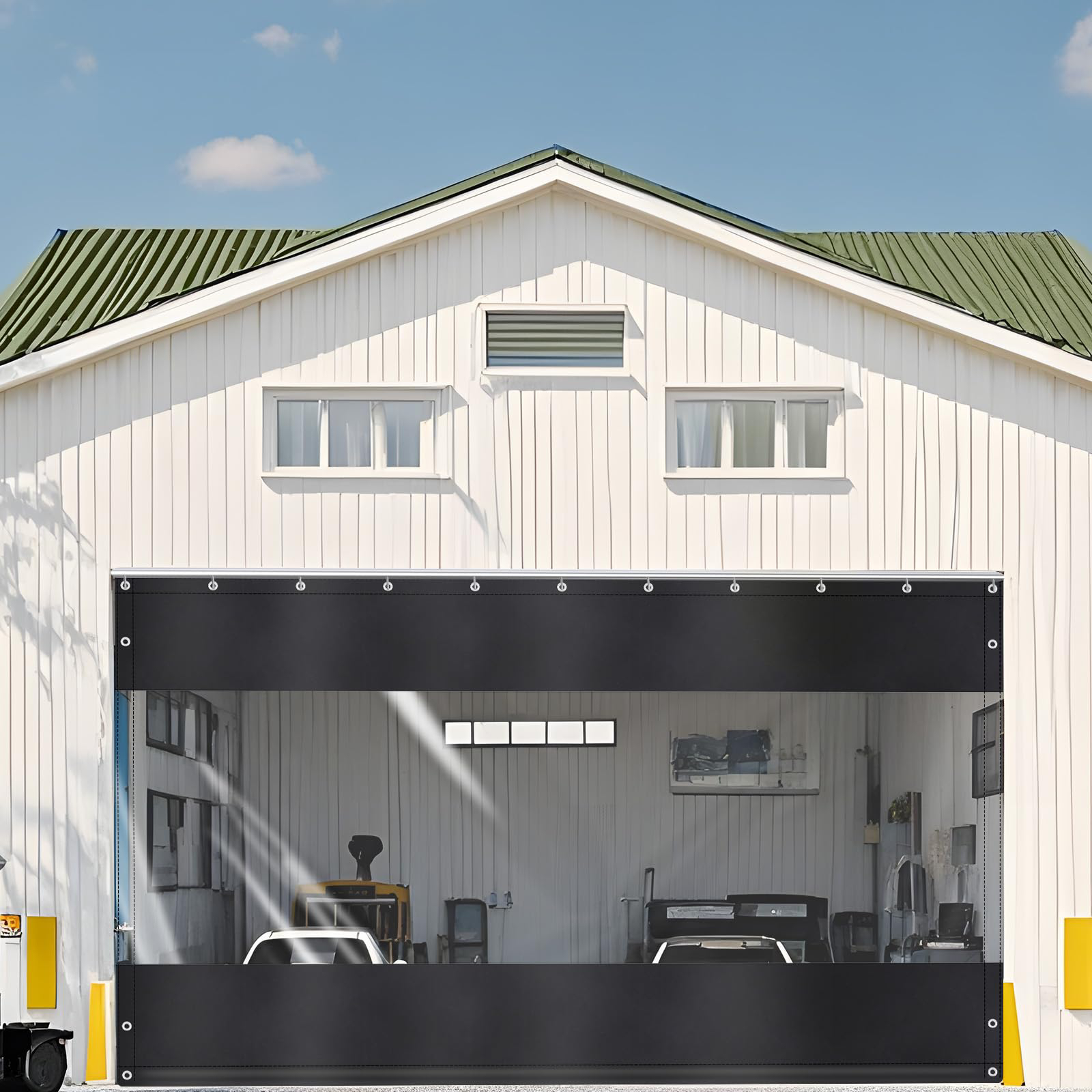
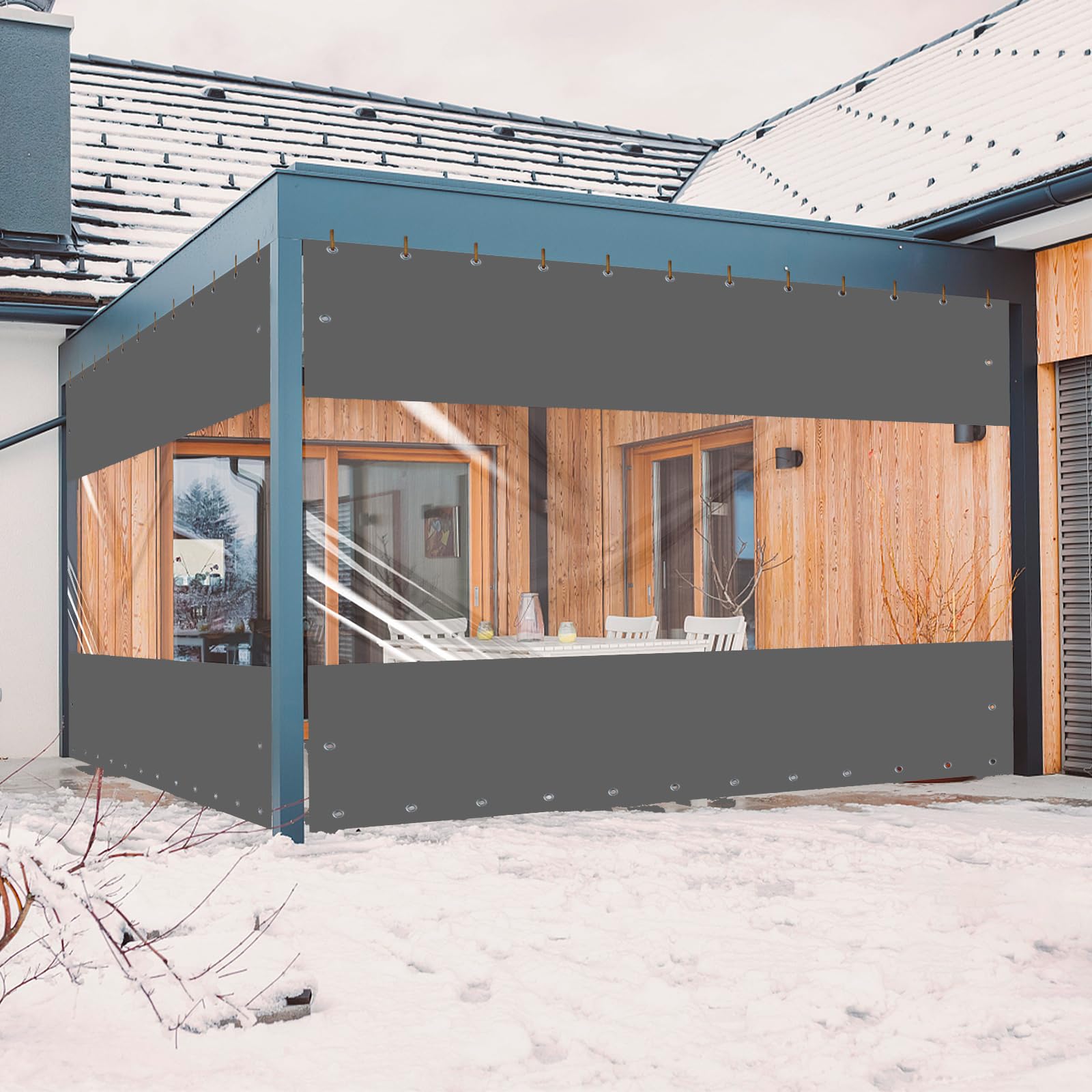
Visibility is a separate decision. If the porch needs to remain visually open, a clear PVC vision-window configuration may be worth discussing for a custom layout. A solid panel generally offers more privacy, while a window section can preserve sightlines. Neither option seals an opening by itself, so choose it around the real use of the porch rather than expecting a guaranteed indoor temperature.
Plan Width, Fullness, and Overlap
Measure the full mounting span rather than only the open gap between posts. Extra width gives panels room to gather and lets adjacent panels overlap. Snowcity's measurement guidance uses a 1.5–2 fullness ratio where applicable; use that as a planning reference, then account for the header style, panel arrangement, and the amount of stacking space available.
- At the sides: plan how the panel meets a post or wall, where drafts can pass around an edge.
- Between panels: allow enough overlap for the way the curtain will be closed and secured.
- At the bottom: measure to the finished surface and leave only the clearance the installation needs.
- At the top: confirm that the rod, track, brackets, and fasteners are suitable for the panel weight and mounting surface.
For an irregular span, an opening divided by posts, or a walk-through space that needs a special closure, document the dimensions and send them with the request. Custom sizing is most useful when it solves a measured installation constraint.
Make Everyday Entry and Exit Easy
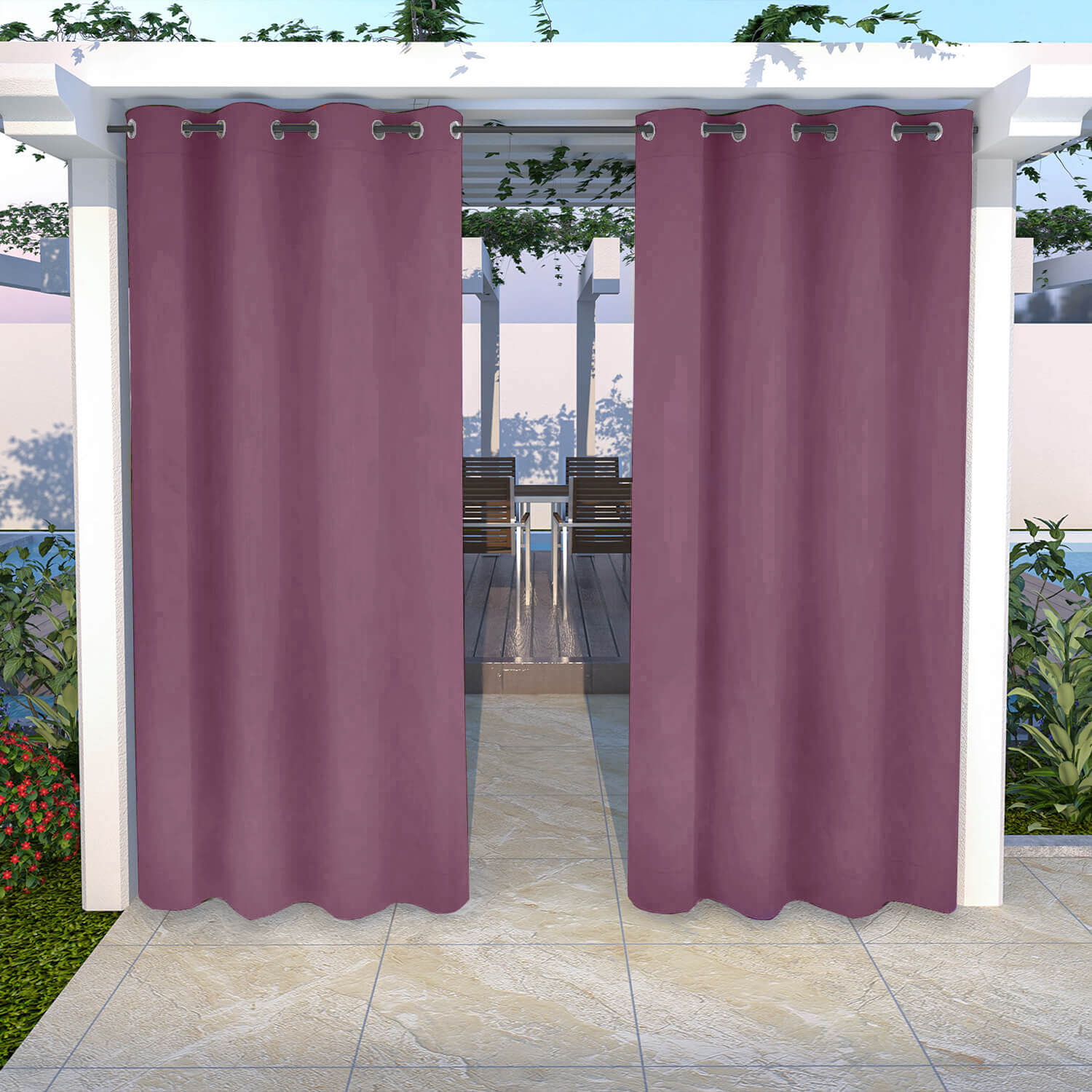
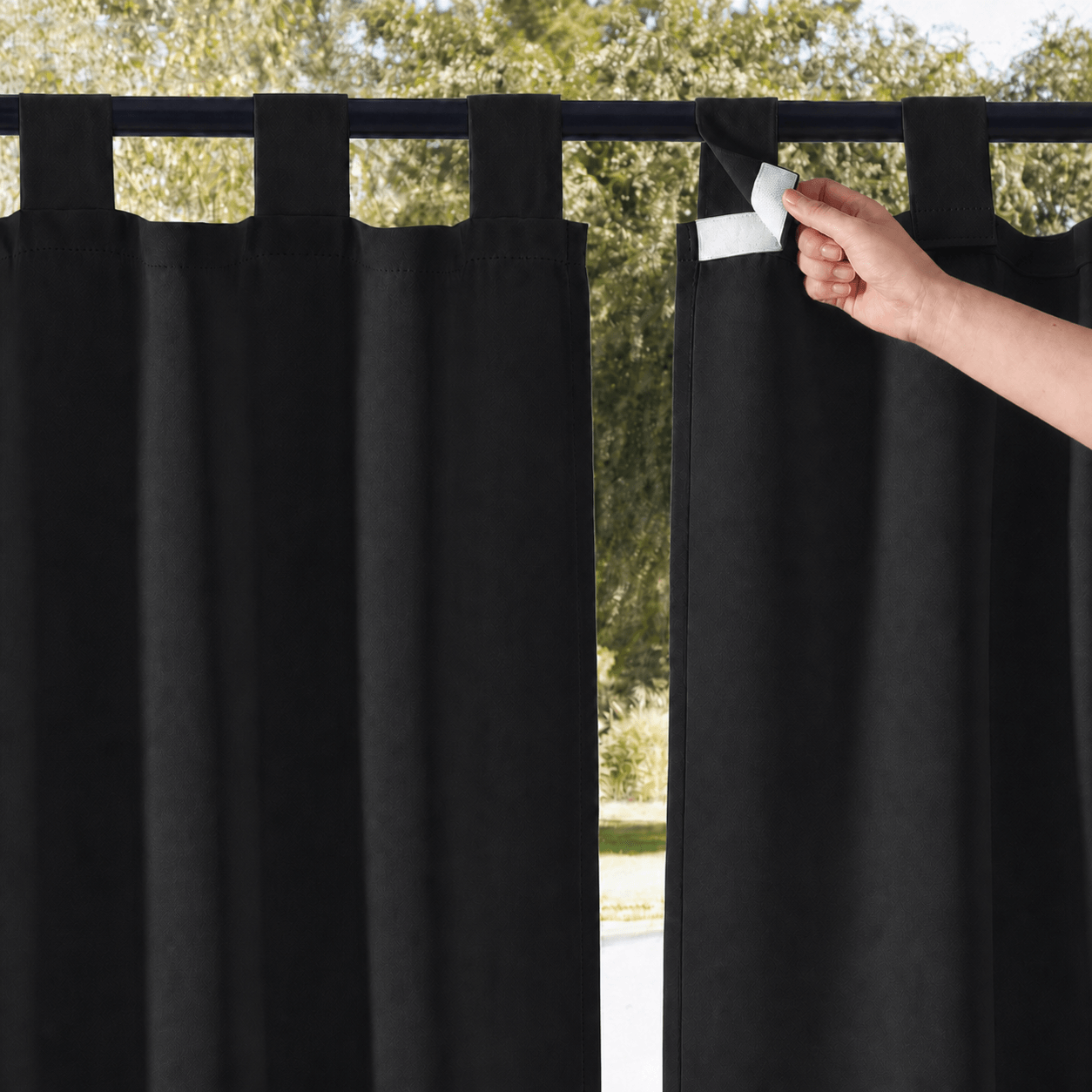
A winter porch curtain should be easy to operate when hands are full. A two-panel layout can create a center opening; a side-stacking layout can keep one edge clear; and tie-backs or compatible fasteners can keep panels controlled when open. If the opening is used frequently, decide in advance which panel moves, where it parks, and how it will be secured during changing weather.
Snowcity's Light Beige insulated curtain offers different header configurations, including grommet options. Match the header to the planned hardware and consider lower attachment points when the layout calls for additional securing. Check the hardware rating and mounting surface before installation; strong fabric cannot compensate for an undersized rod or unsuitable fasteners.
A Winter Porch Configuration to Consider
For a covered porch that needs adjustable side coverage, start with the Light Beige insulated outdoor curtain. Review the listed standard sizes, select the header arrangement that fits the hardware, and use the measured opening to decide whether a standard panel or a custom configuration is the better fit. For custom walk-through openings or irregular shapes, include the measurements, mounting plan, and access needs when contacting Snowcity.
Keep expectations practical. Fabric curtains can contribute to a more sheltered porch and help manage everyday wind exposure, but they should be secured, tied back, or removed as appropriate for the conditions and hardware. Let wet panels dry before long-term storage.
Frequently Asked Questions
What fabric is best for winter curtains for a porch?
For a covered porch where privacy and a less direct draft are priorities, an insulated fabric panel is a sensible option. The best choice still depends on the opening, mounting method, weather exposure, and whether the curtain must move often.
Should I choose a solid curtain or a PVC vision window?
Choose solid fabric when privacy is the main concern. Consider a vision-window layout when maintaining a view is important. Treat the window choice as a configuration decision, not a guarantee of a sealed or heated space.
How much extra width should porch curtains have?
Measure the full mounting span and plan for gathering and panel overlap. A 1.5–2 fullness ratio may be useful where applicable, but the final width should account for the header, hardware, and the way panels will stack or close.
Can winter porch curtains handle severe weather?
They are not a replacement for a permanent, code-compliant enclosure or storm protection. Follow local safety guidance and secure, tie back, or remove panels when conditions and the installation require it.
Configure winter porch curtains with Snowcity. Begin with the Insulated Outdoor Curtains for Winter collection, then match the panel, measurements, and access plan to your porch.