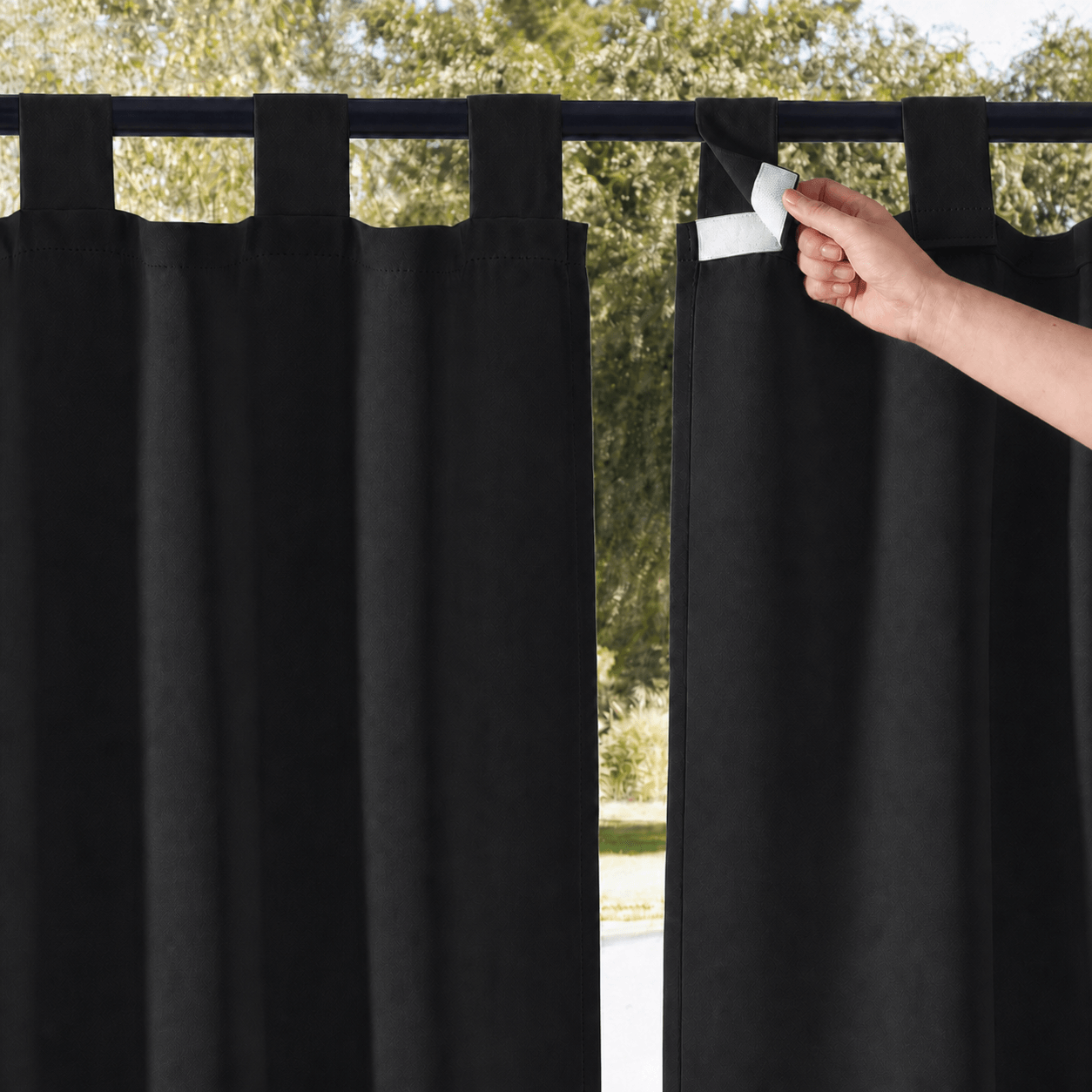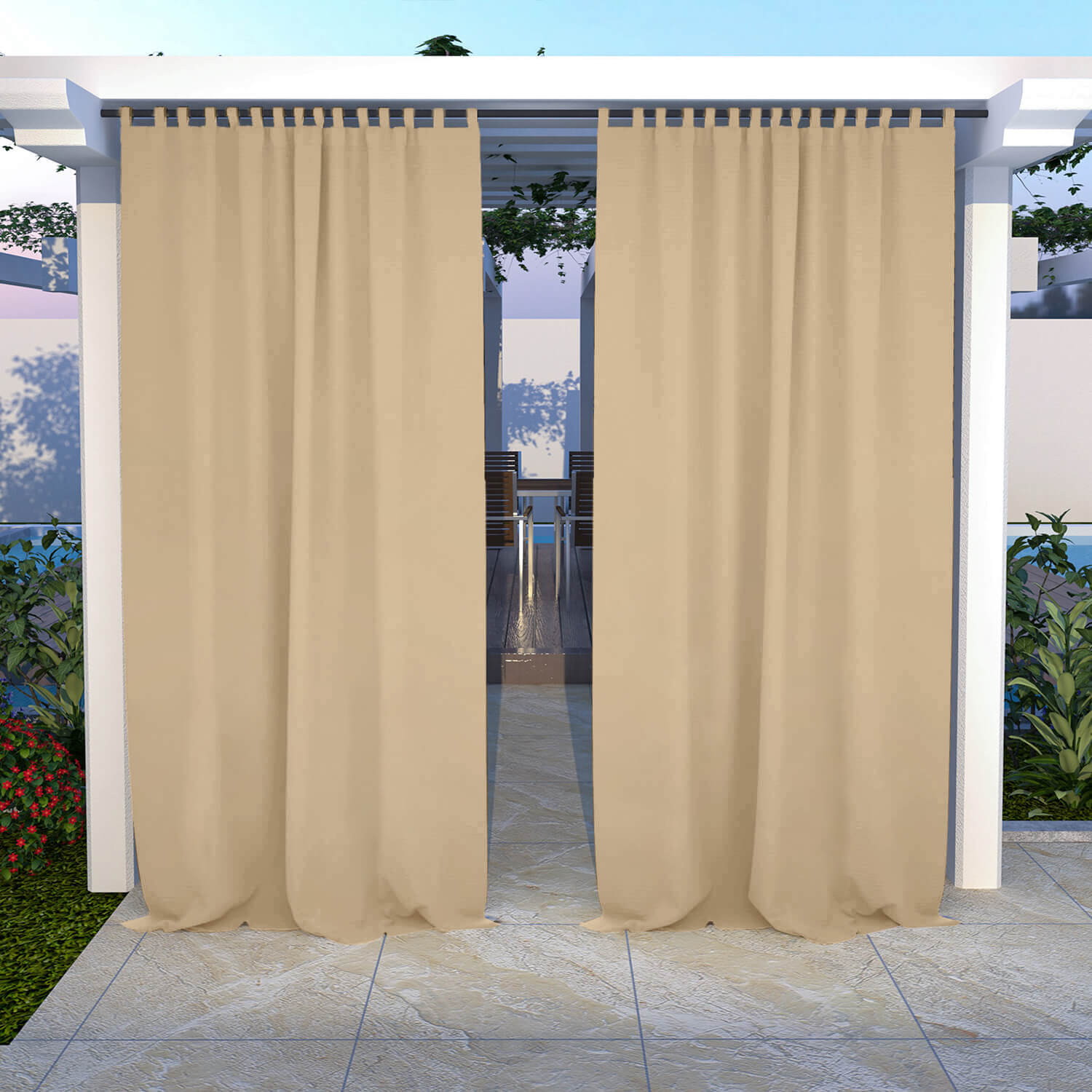
Outdoor Curtains for Balcony Privacy and Shade
Aug 09,2026 | Snowcity
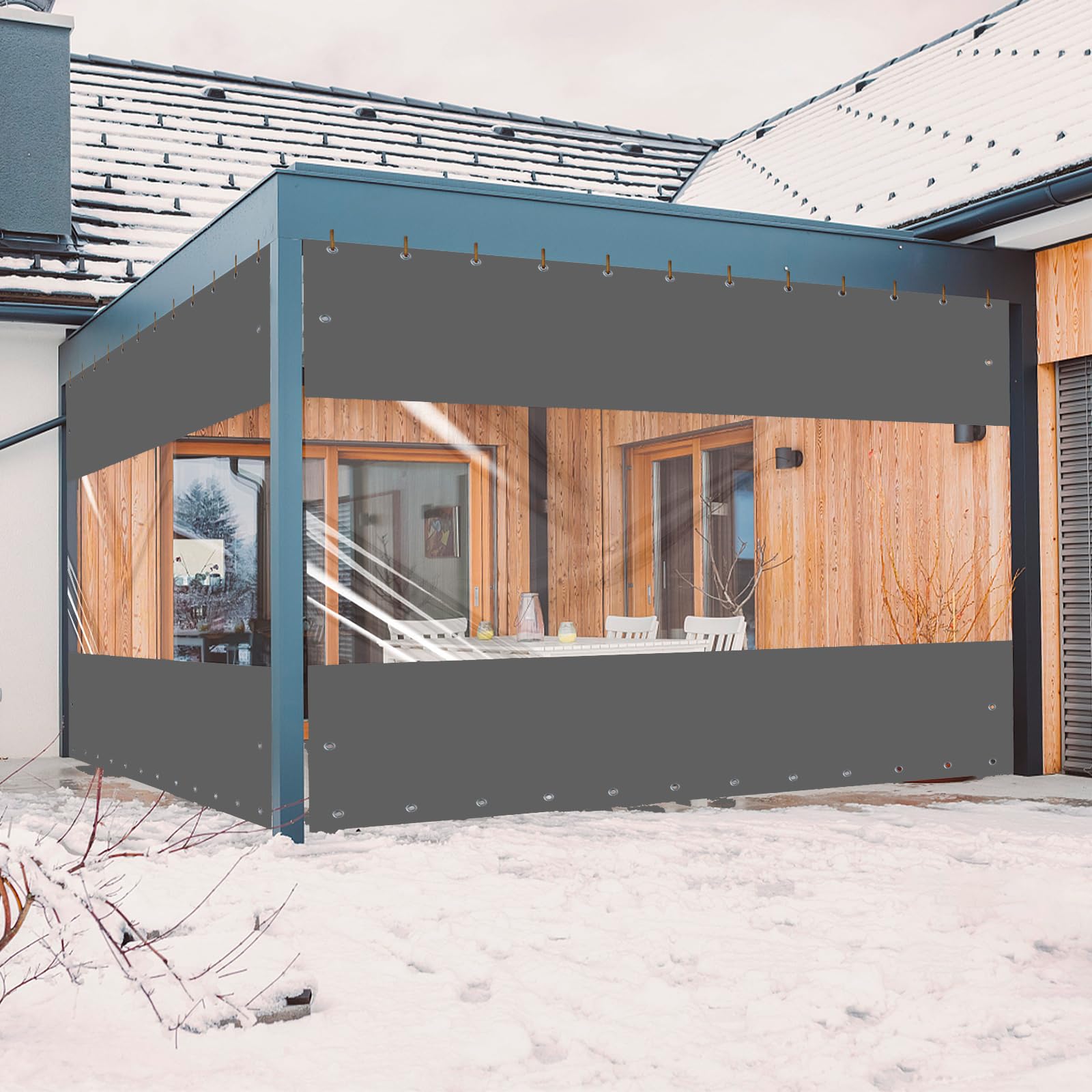
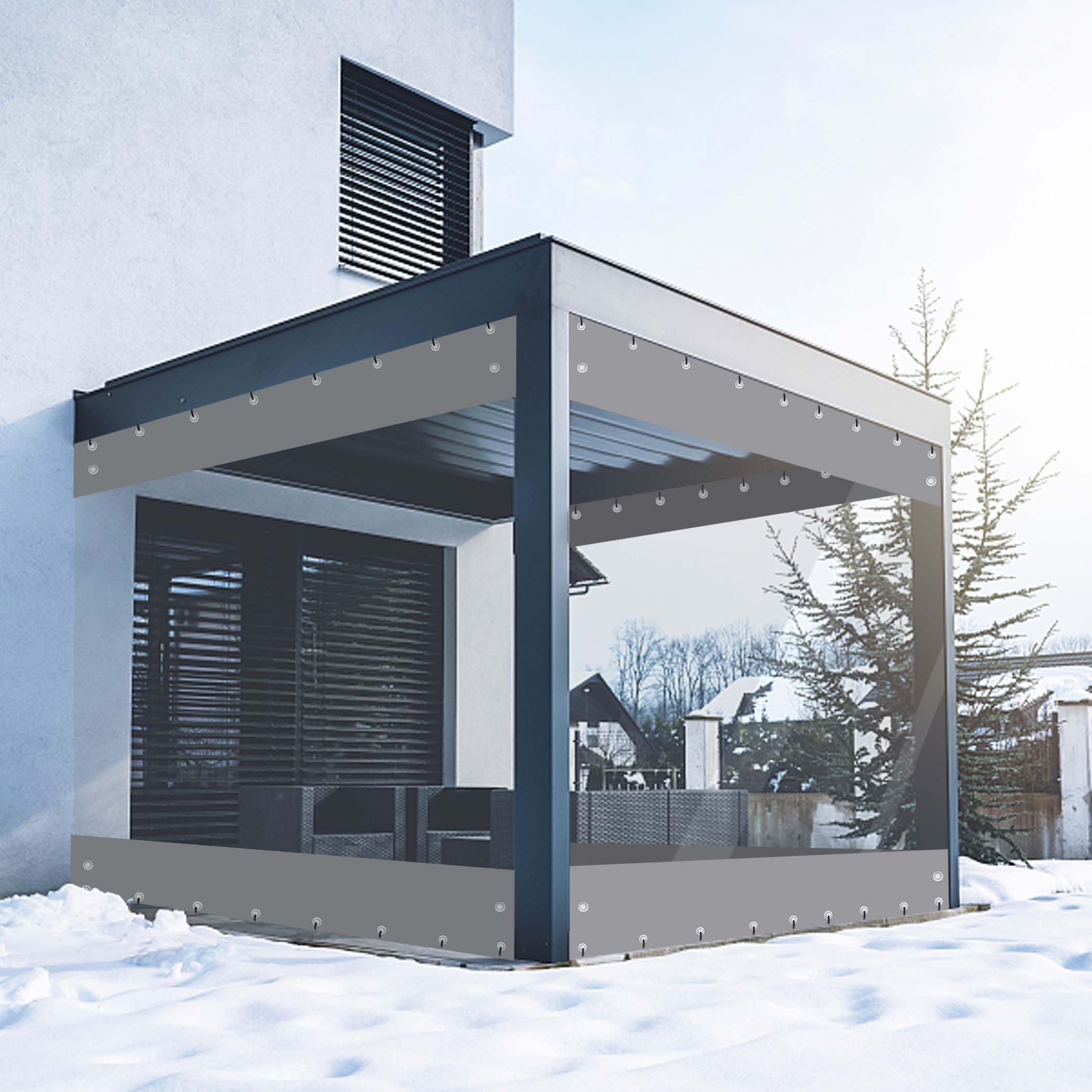
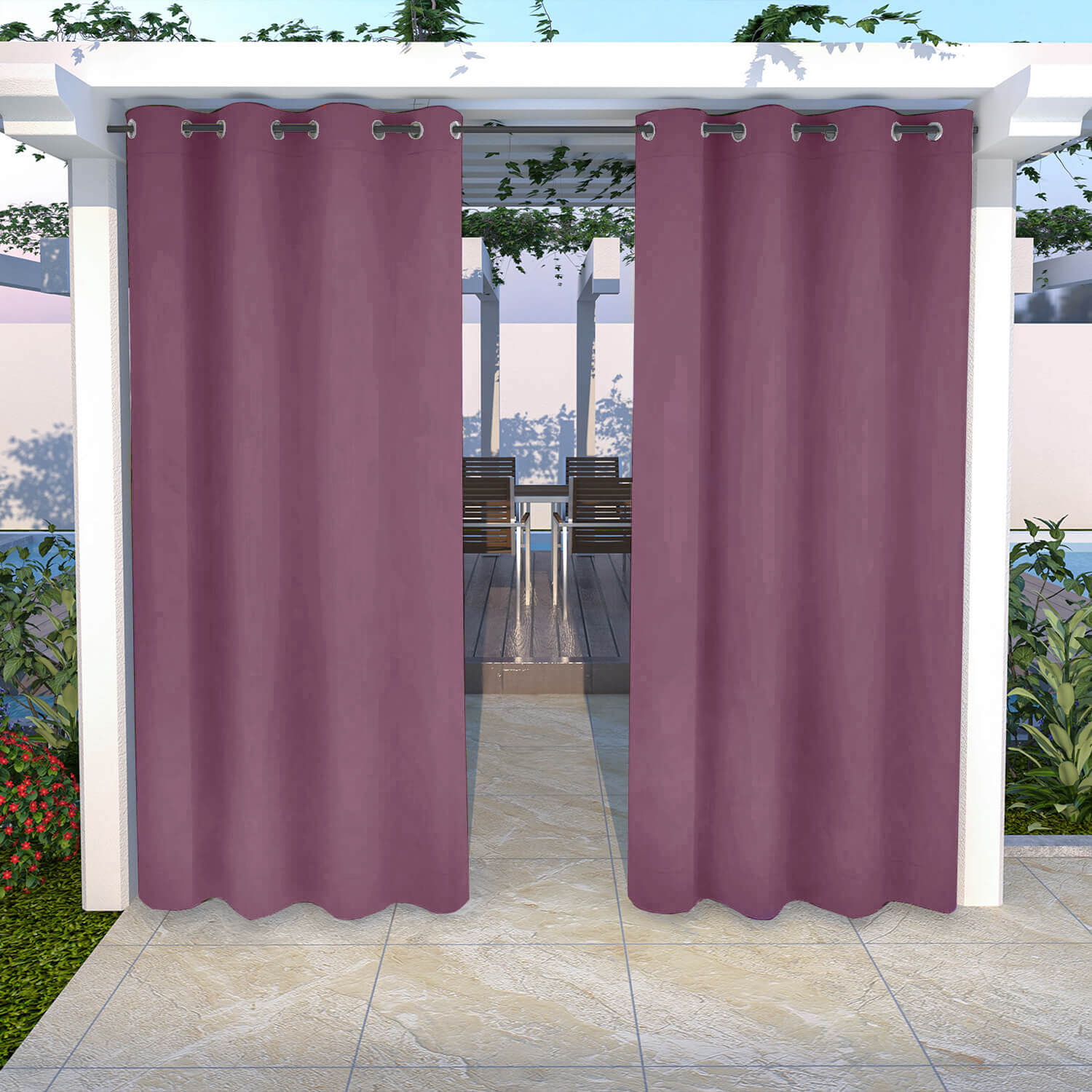
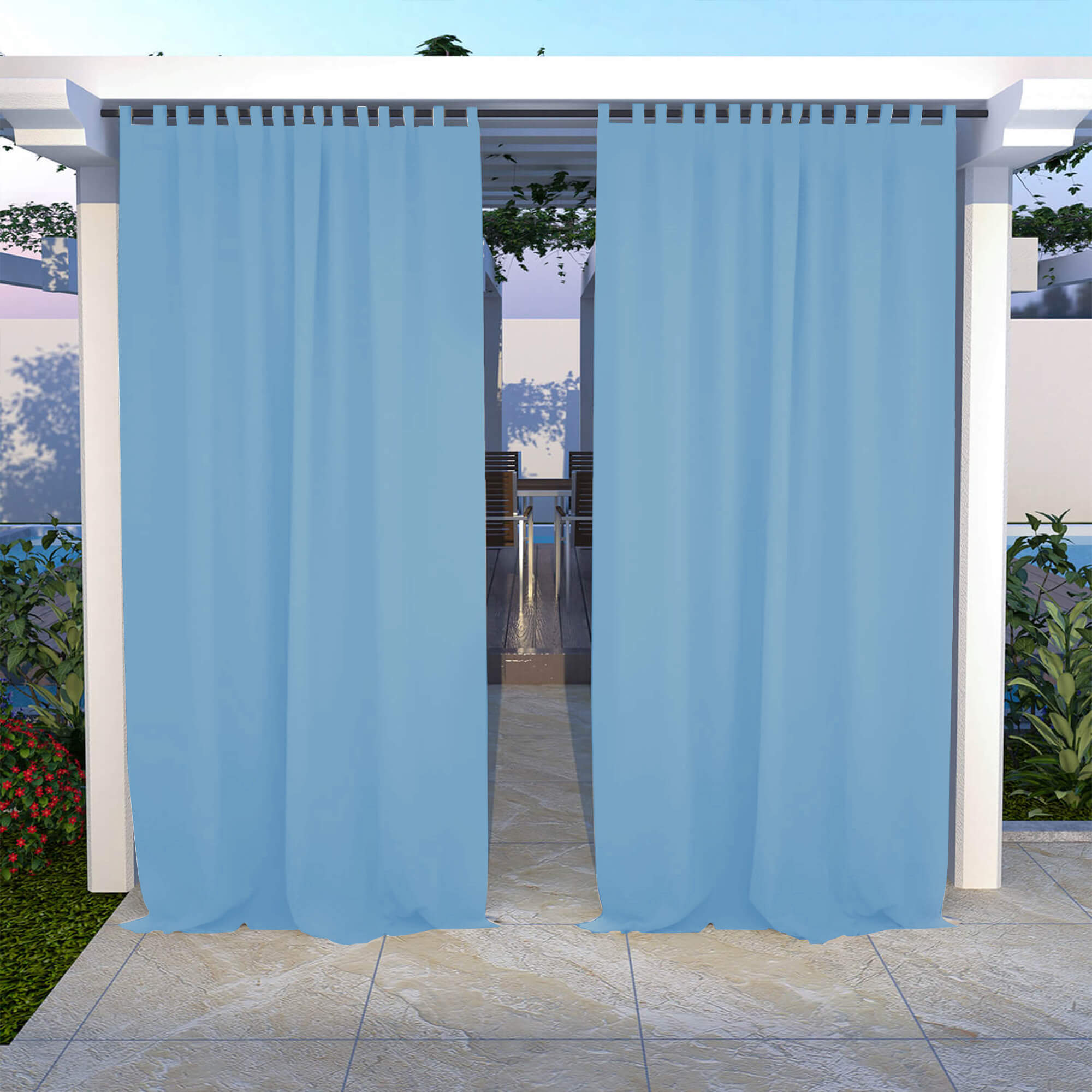
Outdoor curtains for a balcony can make a condo or apartment outdoor space feel less exposed to neighboring windows, a busy street, or afternoon glare. They work best as flexible coverage: close them when you want privacy or softer light, then open and tie them back when you want the view and airflow.
Before choosing panels, look at the balcony as a whole. The available mounting points, the building's rules, the balcony's height and wind exposure, and the width of the opening all matter. A curtain is not a permanent enclosure or a storm barrier, but a well-planned setup can make everyday balcony time more comfortable.

Can outdoor curtains be used on balconies?
Often, yes—if the balcony has an appropriate place for the hardware and the building permits the installation. A covered balcony with solid posts, a beam, or another approved structural mounting point is usually easier to plan than an open railing-only balcony. The curtain should not block a required exit, interfere with sprinklers, obscure safety equipment, or create a hazard for people below.
Start with the side that needs coverage most. Screening one neighbor-facing edge can be more useful, and less enclosing, than wrapping every side. Outdoor curtains provide adjustable visual privacy and shade; do not expect ordinary panels to seal out wind, rain, sound, or every nighttime silhouette.
Check building rules before you buy hardware
Apartment, condo, HOA, and rental rules can limit visible exterior changes, drilling, railing attachments, colors, or hanging items. Ask the building manager or review the current rules before ordering curtains, rods, tracks, or fasteners. Approval may be needed even when the panels are removable.
Use hardware designed for the mounting surface and location. Avoid improvising a support from a railing, light fixture, sprinkler line, or anything not meant to carry curtain load. If you are unsure whether the surface is suitable, keep the project reversible until you can get building guidance or help from a qualified installer.
Measure the balcony opening for useful coverage
Measure the finished rod or track span, not just the distance between walls or railings. Then measure from the planned hardware height to the deck, allowing a little clearance at the bottom so panels can move and stay out of standing water or debris.
For a gathered look and fewer straight-through gaps, use combined panel width of roughly 1.5 to 2 times the installed span. Two panels that meet in the middle are convenient for many balconies; include a little extra width for center overlap and for the edges near posts. Our custom outdoor curtain measuring guide walks through the measurements before you choose a size.
Choose fabric, color, and fullness for a small space
Fabric density, color, and folds all change how private a balcony feels. Light neutrals can keep a compact balcony open and bright, while medium or darker colors may create a stronger visual boundary. The best color is one that fits the amount of light you want, the building's appearance rules, and the way you use the space.
Read the product-specific fabric and care information rather than relying on broad labels such as “privacy” or “blackout.” A denser fabric may reduce direct views and glare, but it is not a guarantee of complete darkness or total privacy. At night, indoor or balcony lighting can make a curtain look more transparent from the outside, so consider the viewing angles you want to manage.
Wind safety matters more on upper floors
Balconies can funnel wind around corners and between buildings, especially above ground level. Even a panel that seems calm on a covered porch can move sharply in a balcony gust. Secure top hardware correctly, keep panels clear of doors and railings, and use tiebacks for the open position so fabric does not blow into a walkway or neighboring area.
Do not depend on curtain weight, clips, or a lower guide to make an exposed balcony safe in severe weather. Follow the product and hardware guidance, monitor conditions, and tie back, secure, or remove panels when winds become hazardous. For everyday setup ideas, see our outdoor curtain wind setup guide.
A practical balcony curtain plan
Choose approved mounting points first, then size panels for the one or two sides where privacy and sun control will help most. Confirm the finished span and drop, select enough width for overlap, and plan where open panels will rest. Test the clearance around the balcony door, furniture, railings, and any shared access.
Browse the Snowcity Outdoor Curtains collection to compare product-specific dimensions, fabric details, and care guidance. Shop Snowcity Outdoor Curtains to make a balcony feel more private while choosing a setup that respects your building and local wind conditions.
Frequently asked questions
Can I hang outdoor curtains on an apartment balcony?
You may be able to if there are suitable mounting points and your building allows it. Check rental, condo, or HOA rules first, and do not attach hardware to railings or fixtures that are not designed for the load.
How much curtain width do I need for a balcony?
Use combined panel width of about 1.5 to 2 times the finished rod or track span as a useful starting point. Add width for center overlap and coverage near the opening edges.
Are balcony curtains safe in wind?
Wind exposure can be significant, particularly on upper floors. Use suitable hardware, keep a tie-back or removal routine, and secure or remove panels when conditions become hazardous. Curtains are not storm barriers.
Which curtain color works best on a small balcony?
Light neutrals can preserve brightness; medium and darker colors can create a stronger visual screen. Consider the fabric, fullness, lighting, building rules, and the privacy level you actually need.
Comment