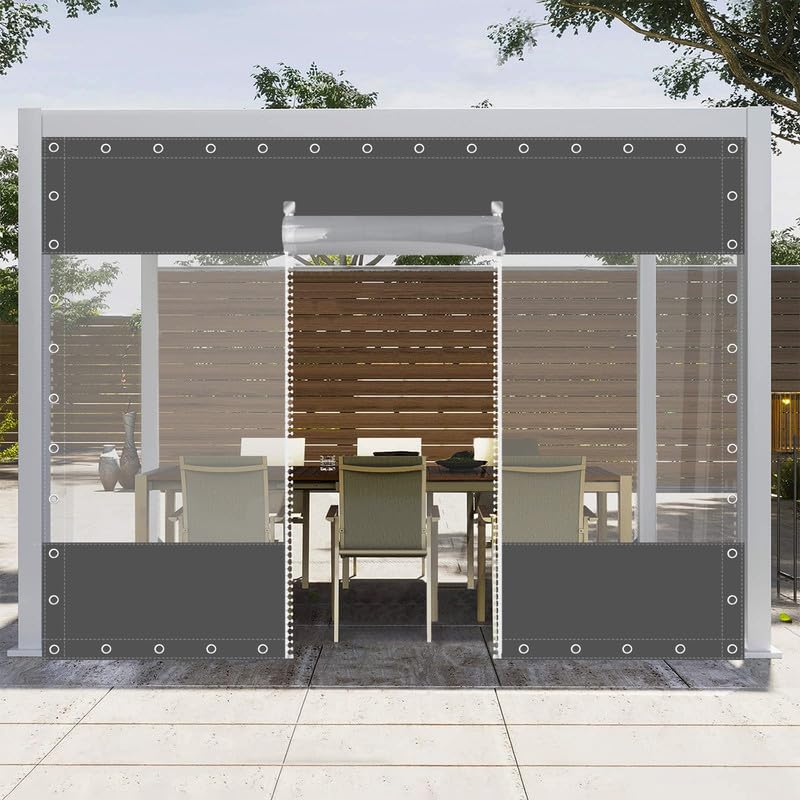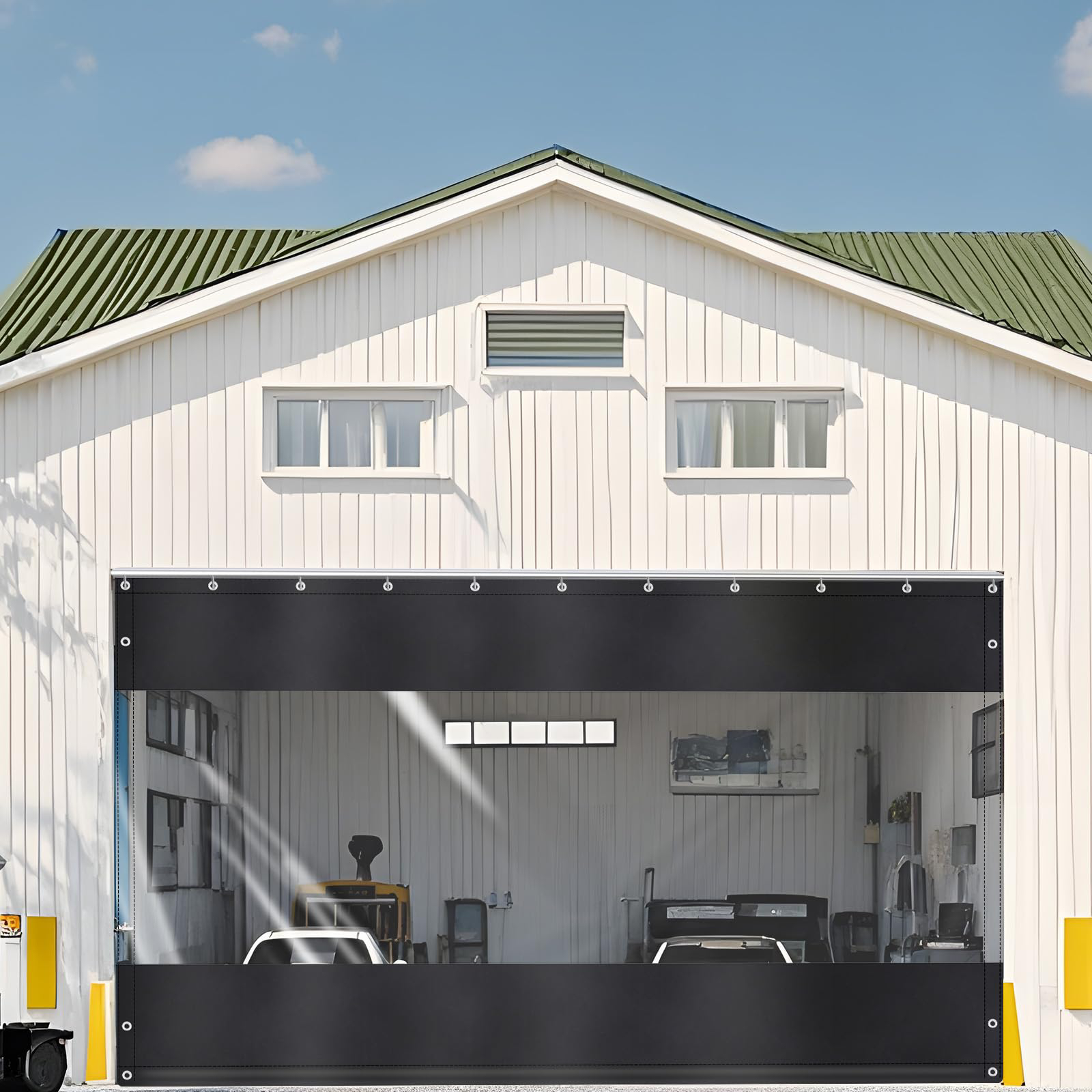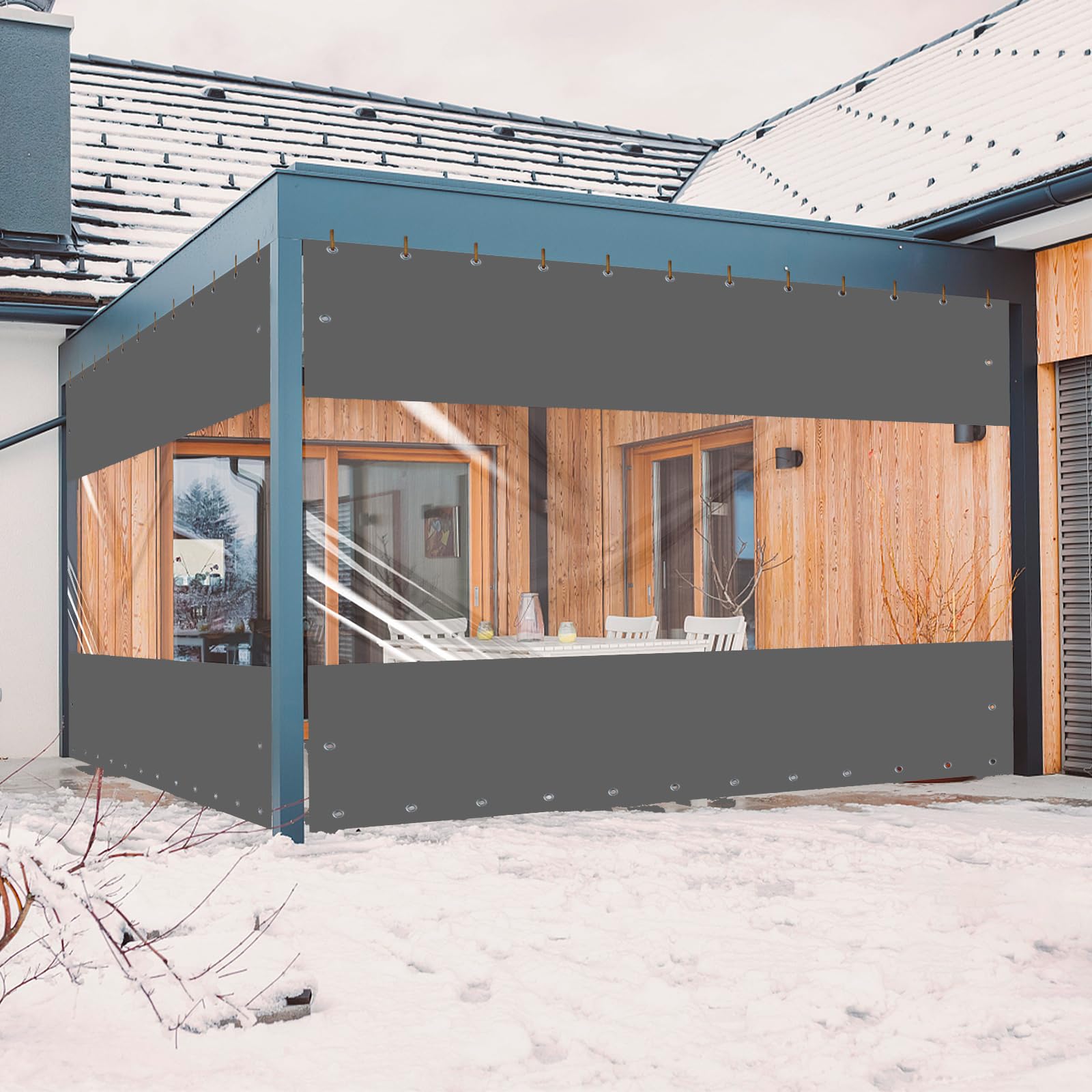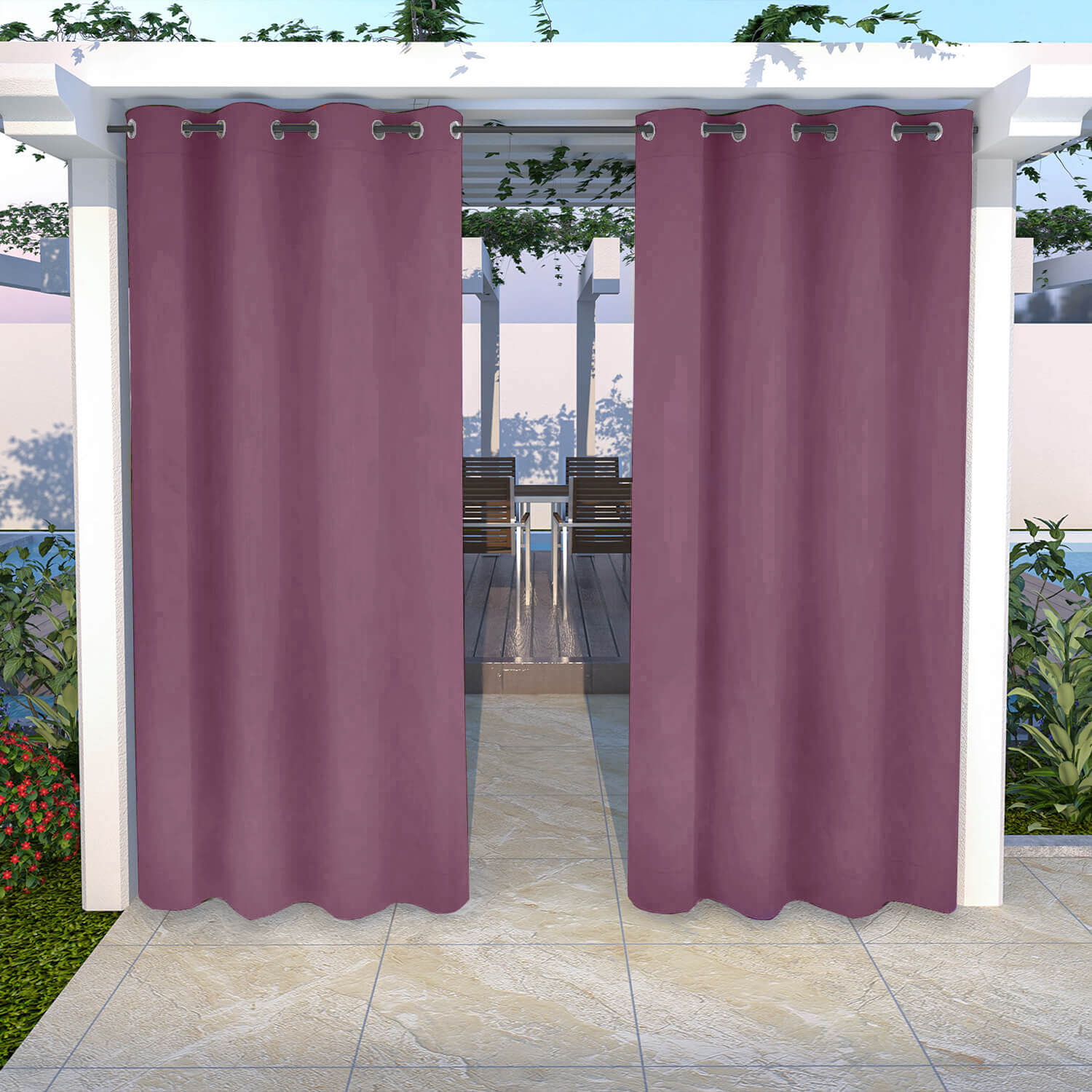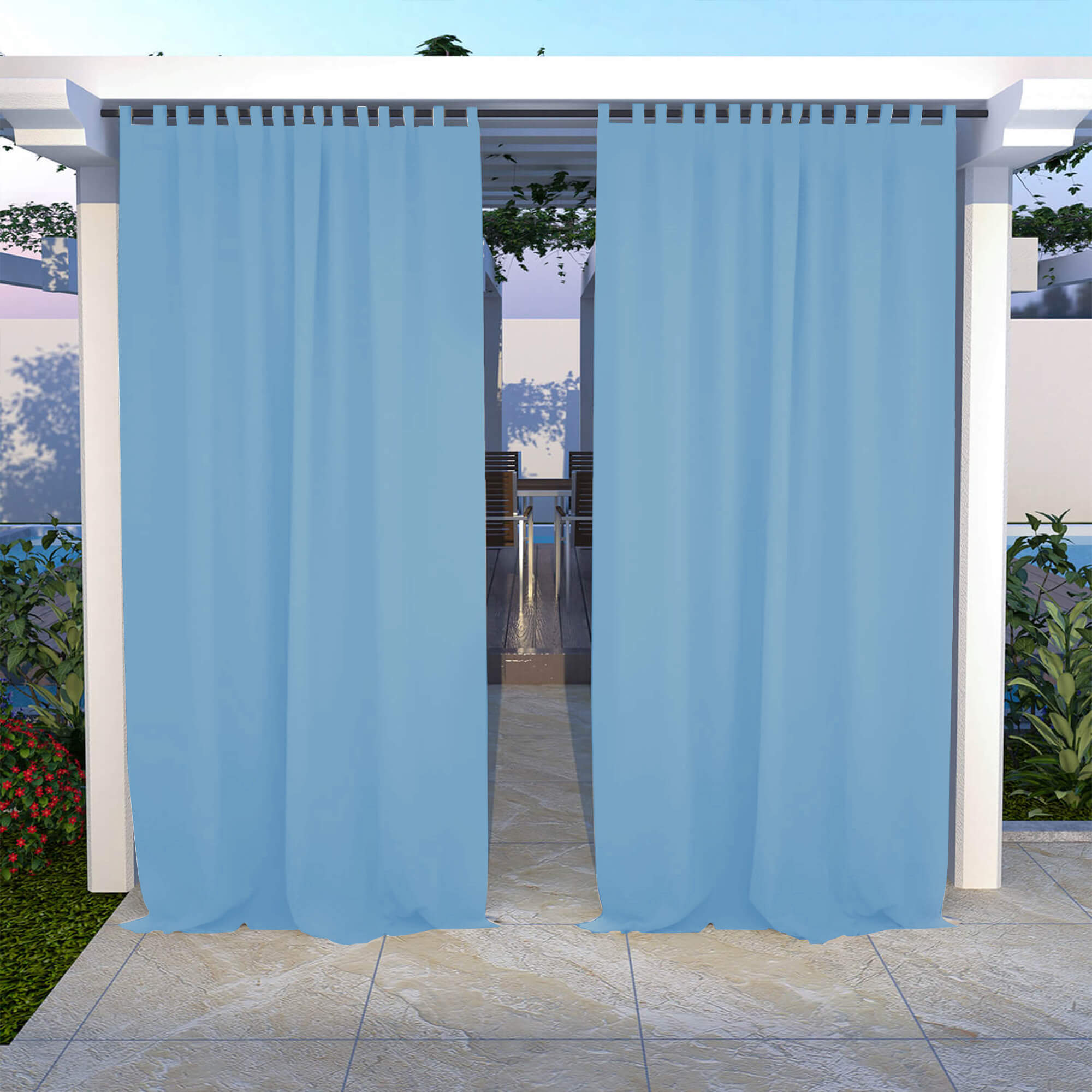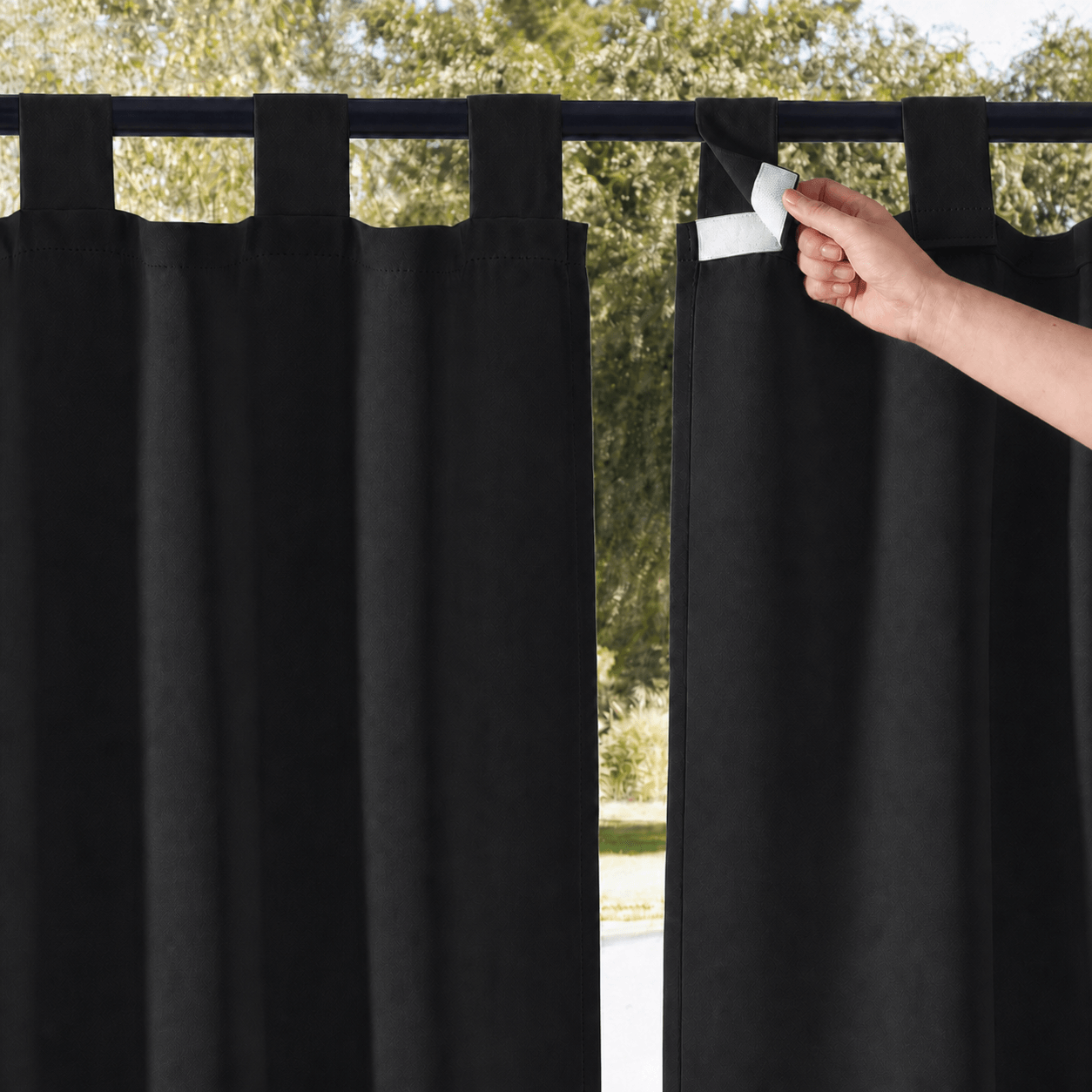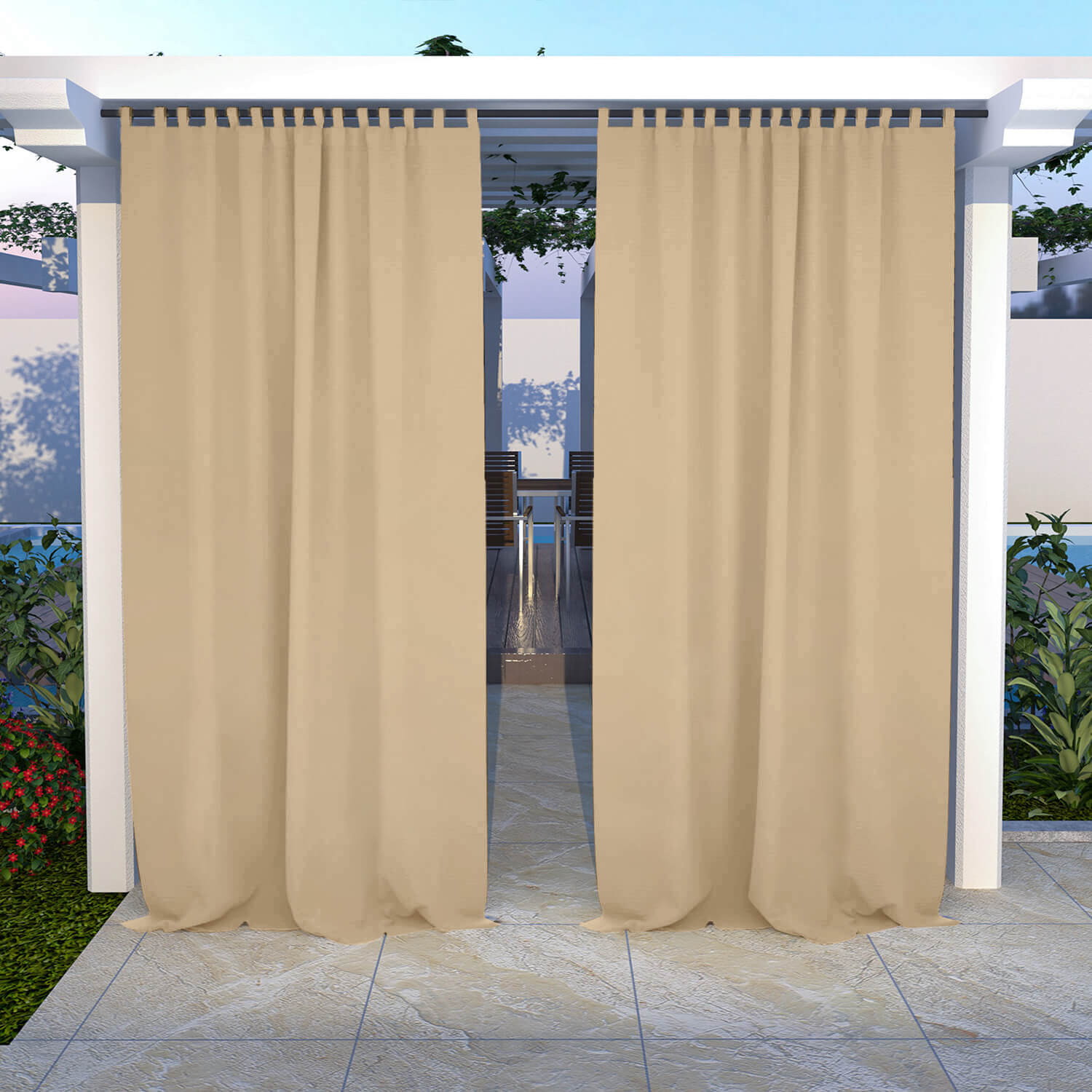
Choosing outdoor curtain fabric is less about finding one "best" material and more about matching fabric behavior to your patio. A useful outdoor curtain should balance shade, privacy, moisture resistance, airflow, and drape—without promising that a fabric can solve every weather condition.
Start with where the panels will hang. A covered porch has different needs from an open pergola, balcony, or gazebo. Think about sun exposure, how often rain reaches the fabric, whether privacy matters, and whether you need the panels to move easily in a breeze.
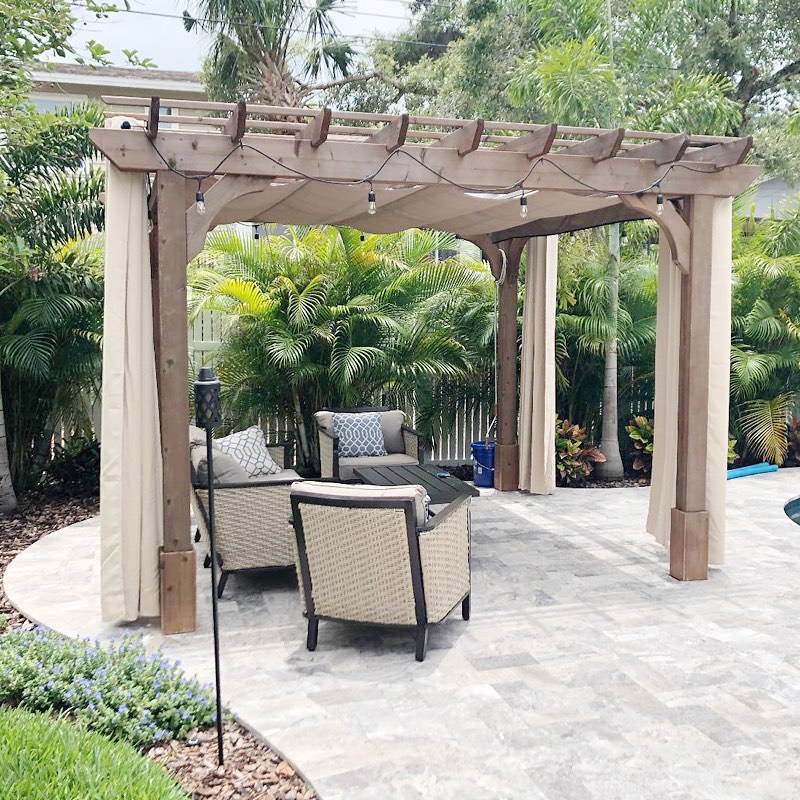
Quick answer: what makes fabric suitable outdoors?
Look for fabric made for outdoor use, with construction and care guidance that fit your setup. In practice, buyers should compare four things: resistance to sun exposure, how the fabric handles moisture, how much privacy it provides, and its weight and movement. The right balance depends on the space, not just the label.
For a patio that is partly covered, a fabric that drapes well and offers comfortable visual screening may be the priority. For a more exposed opening, faster drying, secure hardware, and a plan to tie back or remove panels during rough weather can matter just as much as the material itself.
Key outdoor curtain fabric features
- Outdoor-oriented construction: Check that the product is intended for outdoor or patio use, then read the specific care instructions.
- Opacity: More opaque fabric can improve daytime visual privacy and reduce direct glare, but it also reduces airflow and may feel heavier.
- Weight and drape: A heavier panel can hang more steadily and look fuller, while a lighter panel is easier to handle and may move more in wind.
- Moisture behavior: Water-resistant treatments can help water bead or shed for a time; they do not mean a curtain will stay dry in sustained rain or dry instantly afterward.
- Care requirements: Choose fabric you can realistically clean, dry, and store when the season or forecast calls for it.
Sun and UV: shade is not the same as a guarantee
Outdoor curtains can make a seating area feel less exposed by filtering light and creating shade where the panels cover the opening. They can also help reduce direct glare at certain times of day. Results vary with color, weave, panel width, sun angle, gaps, and whether the curtain is actually closed.
Sun exposure can fade or age any fabric over time. If your patio receives strong daily sun, inspect the product details for UV-related information and rotate, clean, or replace panels as wear appears. Darker colors may create a stronger visual screen, while lighter colors can keep the area feeling brighter; neither choice makes the space fully sunproof.
Moisture and drying expectations
Moisture resistance is useful, but it deserves plain-language expectations. A water-resistant outdoor curtain may handle light rain or splashes better than an indoor panel. In prolonged rain, wind-driven rain, pooled water, or high humidity, fabric can still become wet. Seams, hems, grommets, and the mounting area can also hold moisture.
Allow wet panels to dry with air circulation when conditions permit. Avoid leaving fabric bunched on the ground, and do not store curtains while damp. For a clearer comparison of claims, read Snowcity’s waterproof vs. water-resistant outdoor curtains guide.
Privacy, weight, and airflow
Privacy often improves when fabric is more opaque and when panels have enough width to overlap. That same setup may block some breeze. Conversely, an airy, lighter fabric can feel more open but may offer less screening and shift more readily in wind.
Heavier fabrics are not automatically better. A heavy curtain may drape attractively and feel substantial, but it can be harder to move, take longer to dry, and put more load on a rod or track. For breezy locations, secure mounting, tiebacks, and sensible panel management are usually more important than relying on fabric weight alone.
How to compare outdoor curtain claims before buying
- Match the product to your exposure: covered porch, open patio, pergola, gazebo, or balcony.
- Check what the claim actually says—water-resistant, privacy, shade, or outdoor use are different benefits.
- Review dimensions and panel count. Flat, narrow coverage leaves gaps even with an opaque fabric.
- Plan for weather: secure panels in wind and bring them in or protect them when severe weather is expected.
- Read the care instructions before buying, especially if the curtains will collect pollen, dust, or rainwater.
Cleaning and storage are part of fabric performance over time. See the outdoor curtain cleaning and storage guide for practical upkeep steps.
Compare Snowcity outdoor curtain options
Snowcity outdoor curtains are designed for everyday patio use where shade, privacy, and a softer outdoor-room feeling are useful. Compare panel size, color, hanging style, and product-level fabric details with the conditions in your own space. The most reliable setup combines the right fabric with appropriate mounting and realistic weather care.
Shop Snowcity Outdoor Curtains to compare options for shade, privacy, and everyday patio use.
FAQ
What is the best fabric for outdoor curtains?
The best choice is the one that matches your exposure and priorities. Compare outdoor suitability, opacity, moisture behavior, weight, and care needs rather than relying on a single material claim.
Are heavier outdoor curtains always better?
No. Heavier panels may hang more steadily, but they can be harder to handle and dry. Mounting and wind management remain important.
Can outdoor curtain fabric handle rain?
Some outdoor fabrics are water-resistant and can handle light moisture better than indoor fabric. They are not a promise of complete waterproofing in sustained or wind-driven rain.
Do outdoor curtains provide privacy and airflow?
They can provide visual privacy when closed. More opaque, fuller panels generally reduce airflow, so choose the balance that fits your patio.