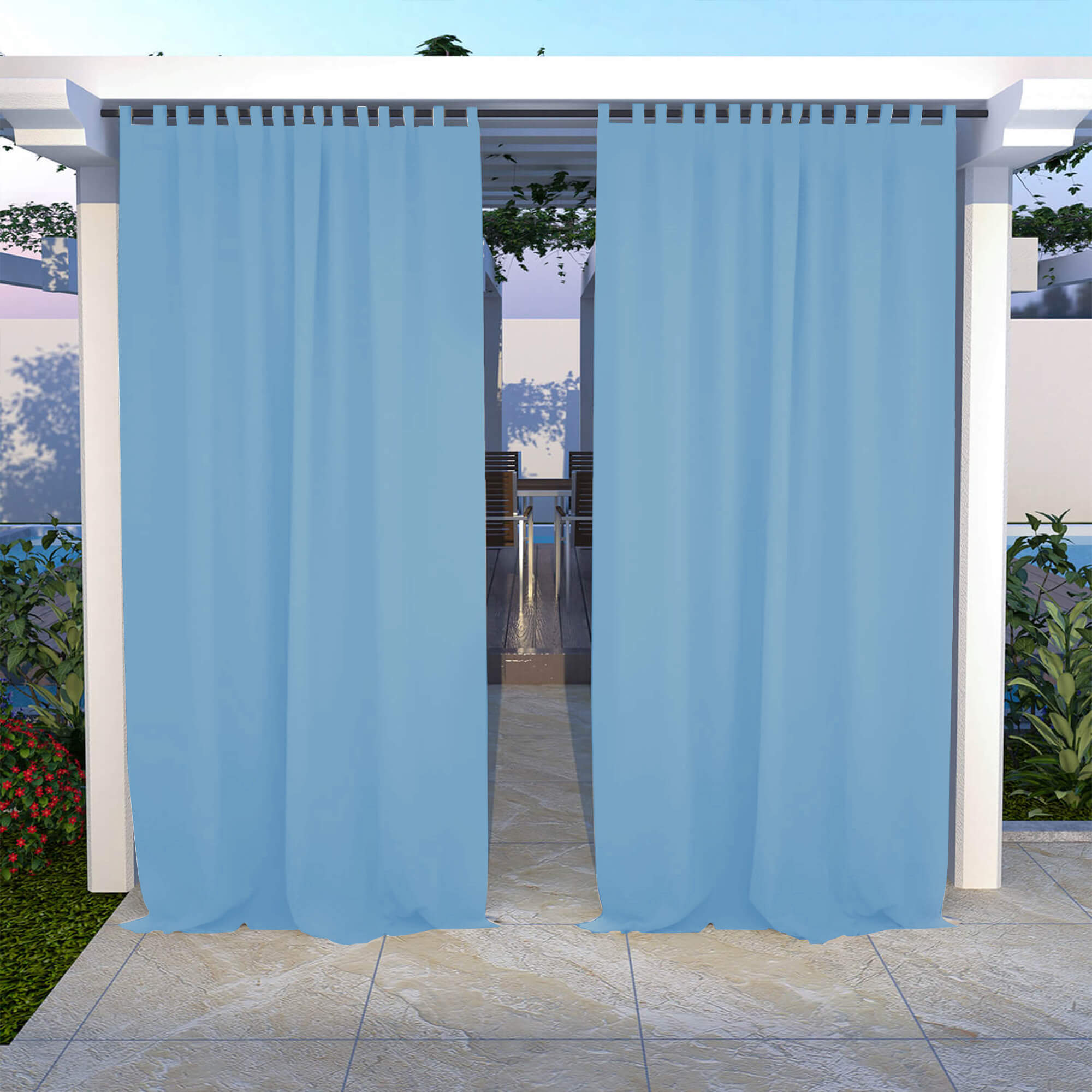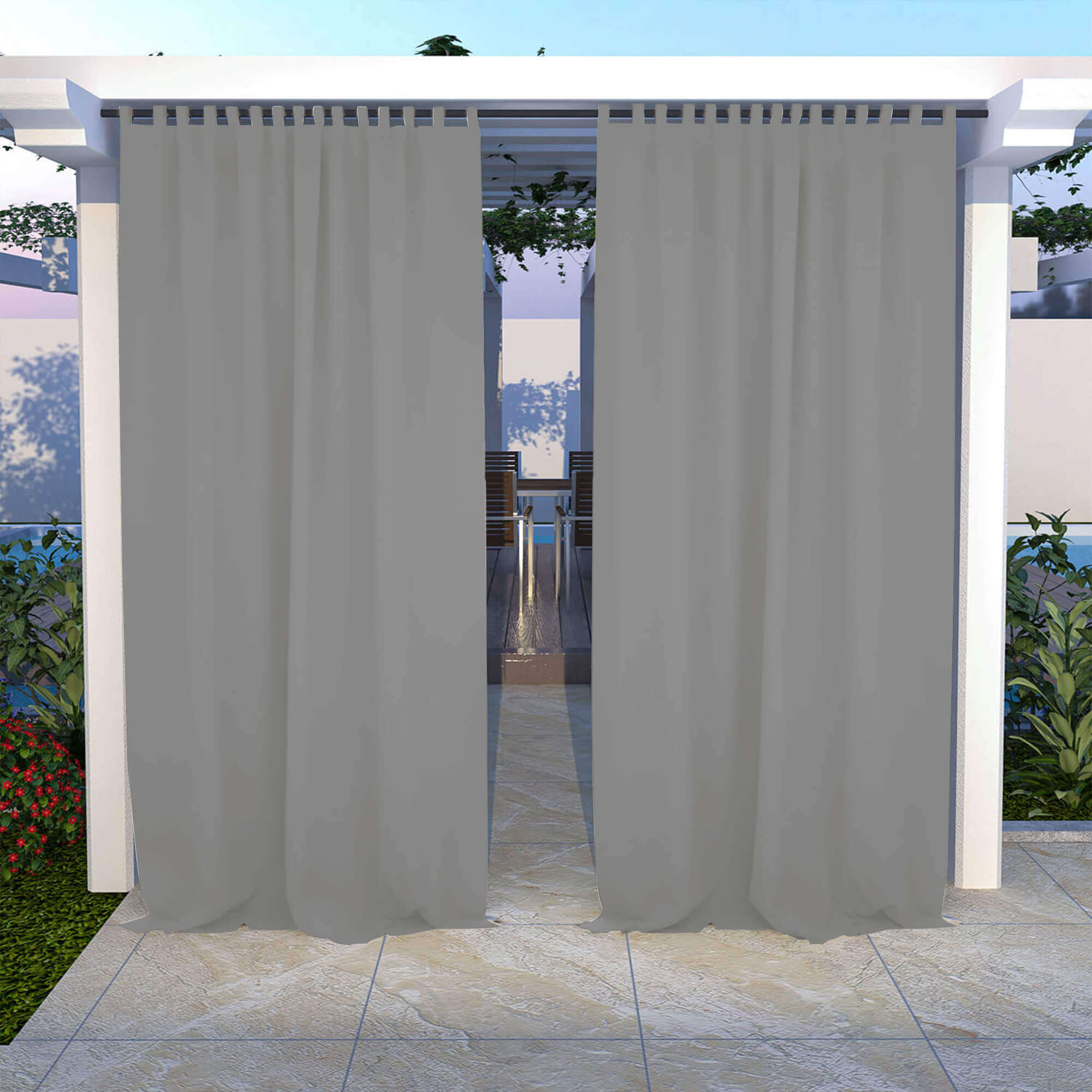
How to Winterize a Patio With Insulated Outdoor Curtains
Sep 16,2026 | Snowcity
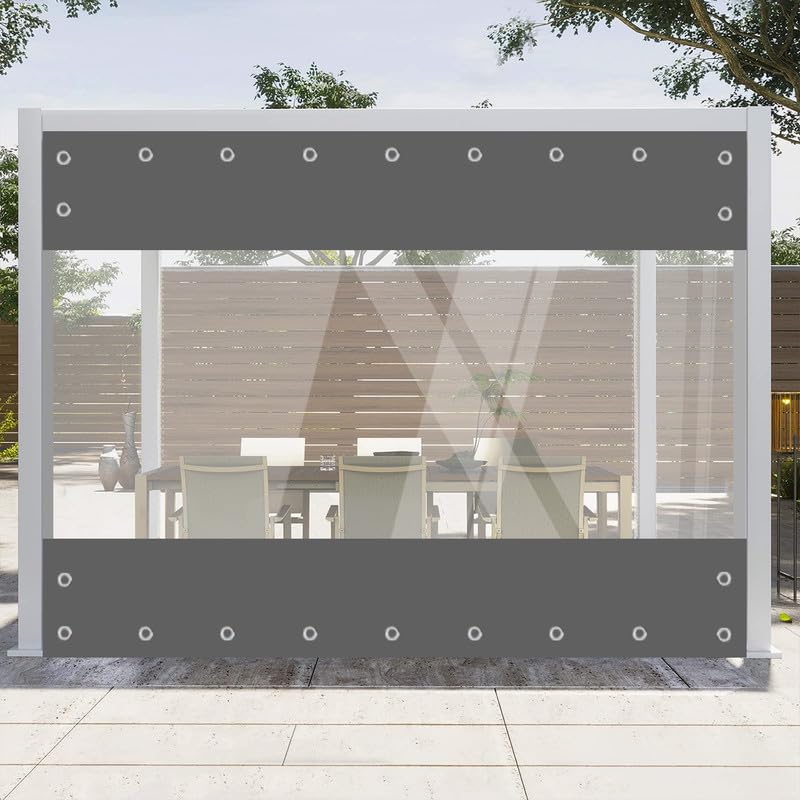
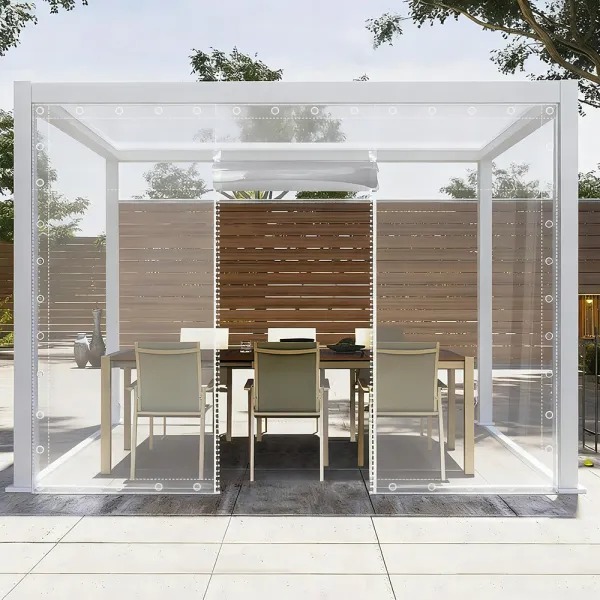
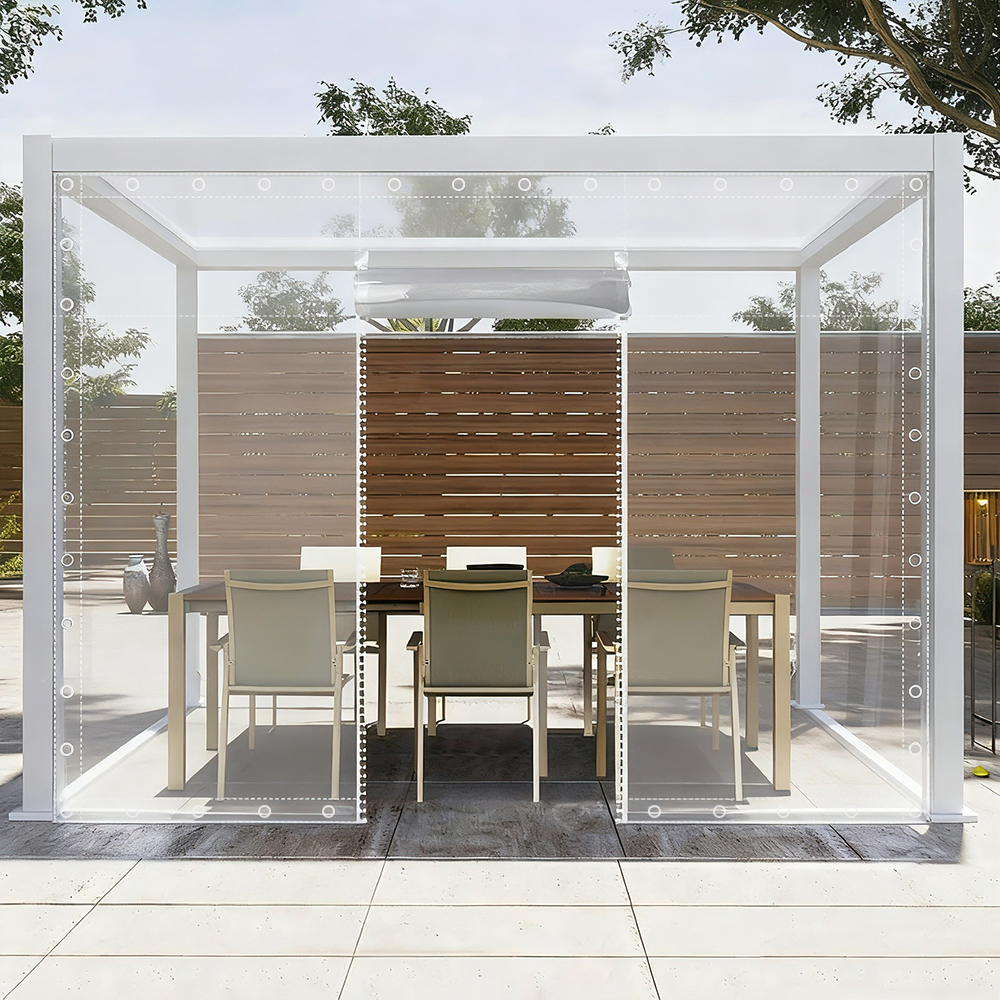
Learning how to winterize a patio with outdoor curtains starts with the space itself: where wind enters, where people sit, and which openings need the most flexible protection. The Snowcity Insulated Outdoor Curtains for Winter collection can be one controllable layer in a broader seasonal setup; they do not replace a weather-safe structure, safe heating practices, or good ventilation.
Begin with wind direction and the seating zone
Walk the patio on a breezy day before installing anything. Notice which open side lets wind reach the table, lounge chairs, or doorway first. Mark the area people actually use, rather than trying to close every edge at once. This makes the project more practical: the first curtains should usually go on the windward side of the seating zone and on openings that create a direct draft.
Keep doors, gates, stairs, drains, electrical outlets, and emergency access clear. A patio curtain can help define a more comfortable zone, but it should not block an exit, trap water, or interfere with a railing or moving door.
Map the patio before choosing panels
- Measure each opening and note the mounting surface, rod location, and clearance above and beside it.
- Identify where panels can stack when open so they do not crowd seating or a walkway.
- Plan for a little overlap between panels where appropriate, while leaving drainage and needed airflow unobstructed.
- Choose the highest-priority opening first, then expand only after the first section operates smoothly.
For a broader layout reference, read Snowcity’s Outdoor Curtains for Patio guide. A useful winter layout remains easy to open, close, and inspect, rather than turning the patio into a sealed enclosure.
Install insulated outdoor curtains as a flexible layer
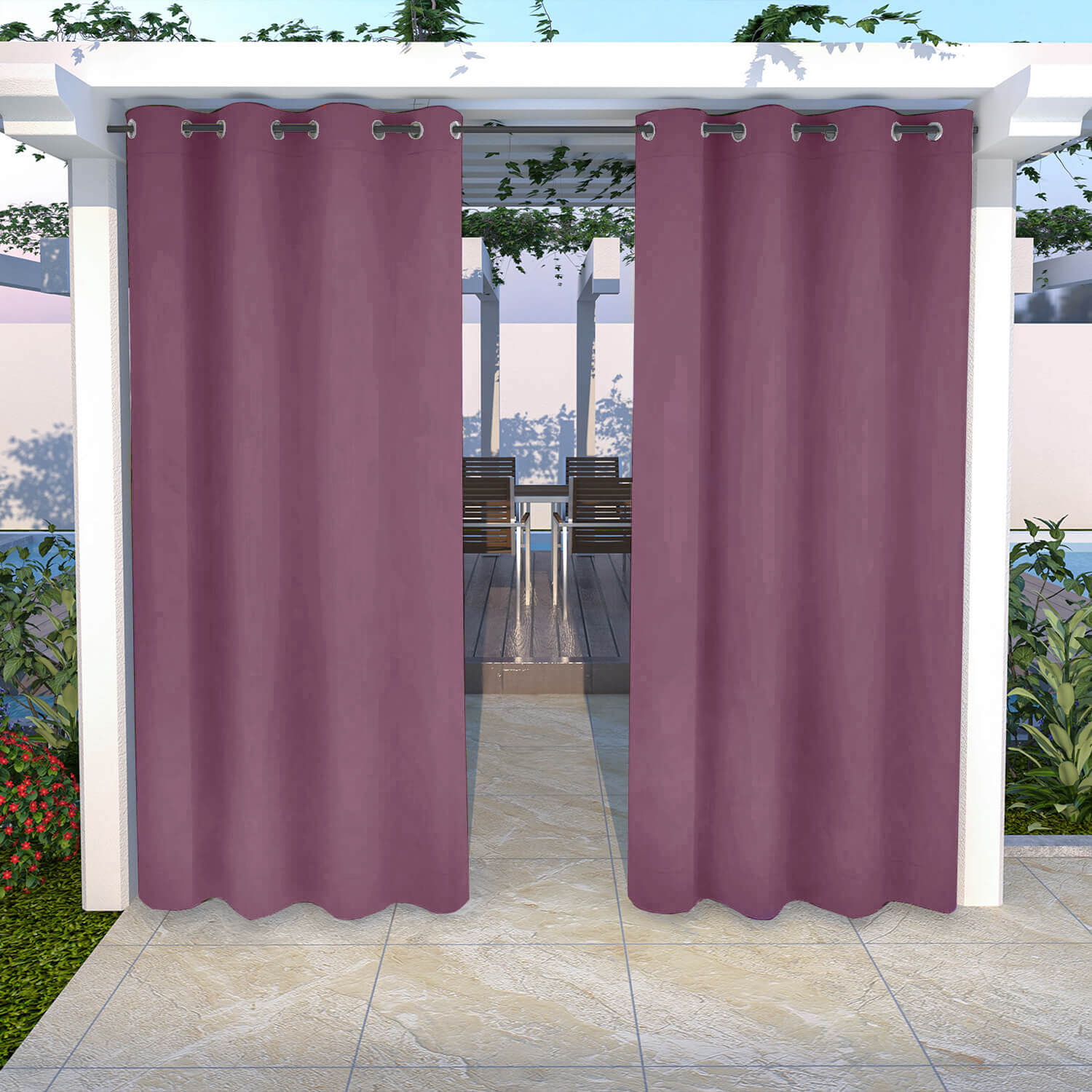
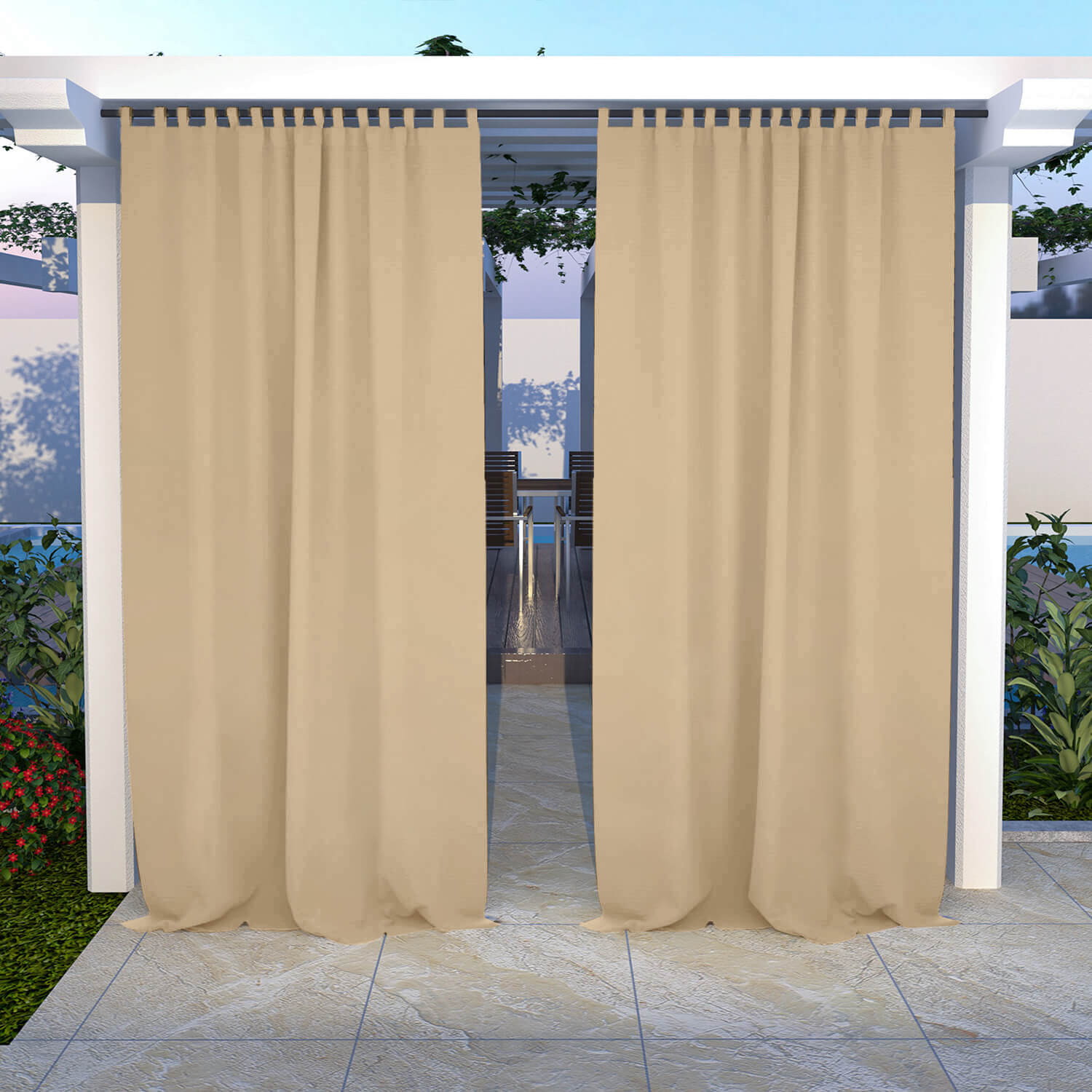
Use hardware and mounting methods suitable for the surface and the panel weight. Check the product page, installation instructions, and local requirements before drilling or mounting. The Snowcity Light Beige Insulated Outdoor Curtain is offered with customizable sizing and header options, so confirm the selected configuration before ordering or installing.
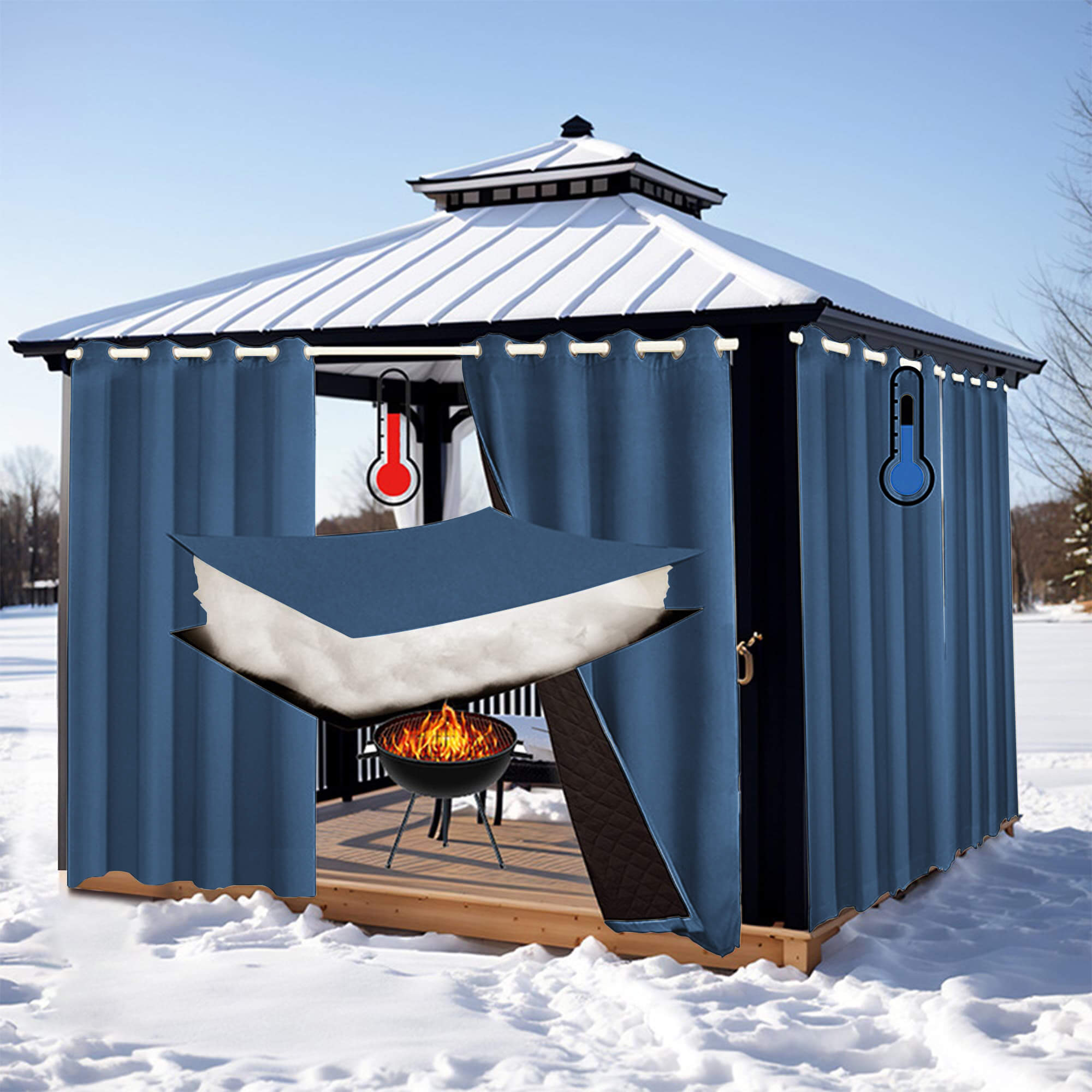
Hang panels so they can move freely and do not drag across a wet surface. In windy conditions, use the permitted bottom or side attachment method for your setup, and inspect it regularly. Do not assume a curtain is a load-bearing wind barrier: take panels down or secure them according to the product guidance when severe weather is expected.
Add warmth and comfort without closing off safety
Once the draft-facing side is addressed, add comfort in layers. An outdoor-rated rug can make the seating zone feel less exposed underfoot, and weather-appropriate cushions or throws can make a small group area more inviting. Arrange seating so guests are not directly in a cold air path and so there is a clear route to exits.
Use only heating equipment that is rated for the setting and follow its manufacturer clearances exactly. Keep curtains, rugs, cushions, and all combustible materials well away from fire pits, grills, patio heaters, open flames, and hot surfaces. Do not use curtains to enclose a heater or to create an unventilated space. Adequate ventilation is essential, especially where any fuel-burning appliance is present.
Maintain the setup through winter
Check the rods, anchors, hems, grommets, and mounting surface after storms or periods of strong wind. Brush off loose debris when the fabric is dry, and follow the care label for any cleaning. If a panel becomes wet, allow it to dry fully before folding or storing it. Keep gutters, drains, and runoff paths clear so water does not collect behind the curtain line.
What to remove or store after winter
When the season changes, inspect each panel before taking it down. Remove detachable ties, weights, or hardware only if the product instructions allow, and keep small parts together. Clean and dry curtains according to the care label, then store them in a clean, dry indoor location away from pests, direct sun, and temperature extremes. Recheck the mounting area before reinstalling next season.
Frequently asked questions
Which patio openings should I cover first?
Start with the wind-facing opening that sends the strongest draft into the main seating zone. Prioritize usable comfort over closing every side of the patio.
Can I run a patio heater inside closed curtains?
No. Follow the heater manufacturer’s clearance and ventilation requirements. Keep curtains and all combustible materials away from heat sources, and never create a sealed or poorly ventilated enclosure around a heater.
Do outdoor curtains need to stay up during every storm?
Not necessarily. Follow the product and hardware guidance, monitor weather conditions, and secure or remove panels when needed for safety.
Start winterizing your patio with Snowcity insulated outdoor curtains, then build the rest of the space around safe heat, clear ventilation, and a layout that works for everyday use.
Comment