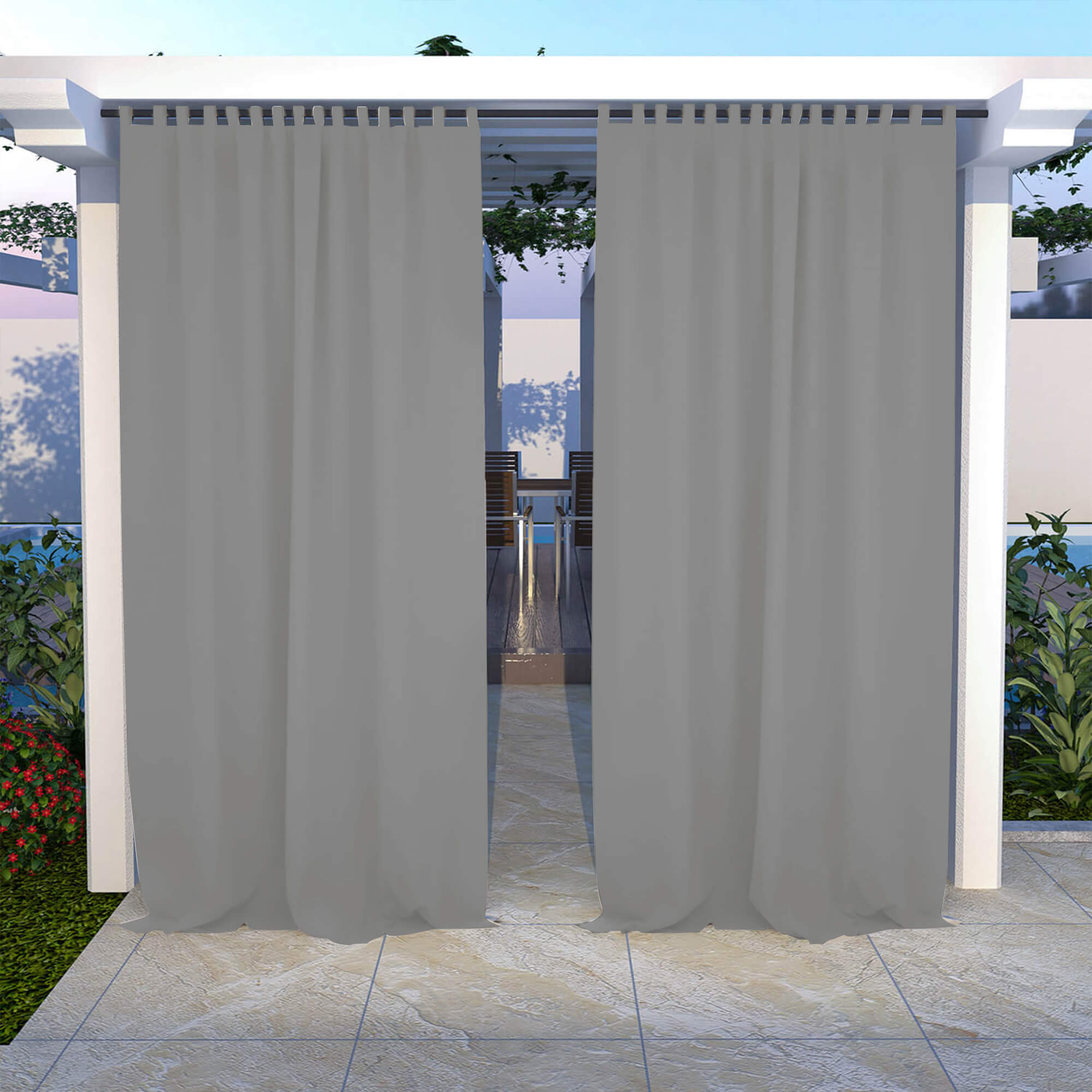
Outdoor Curtains to Keep Heat In: What Results Are Realistic?
Nov 15,2026 | Snowcity
What can outdoor curtains realistically do in cold weather?
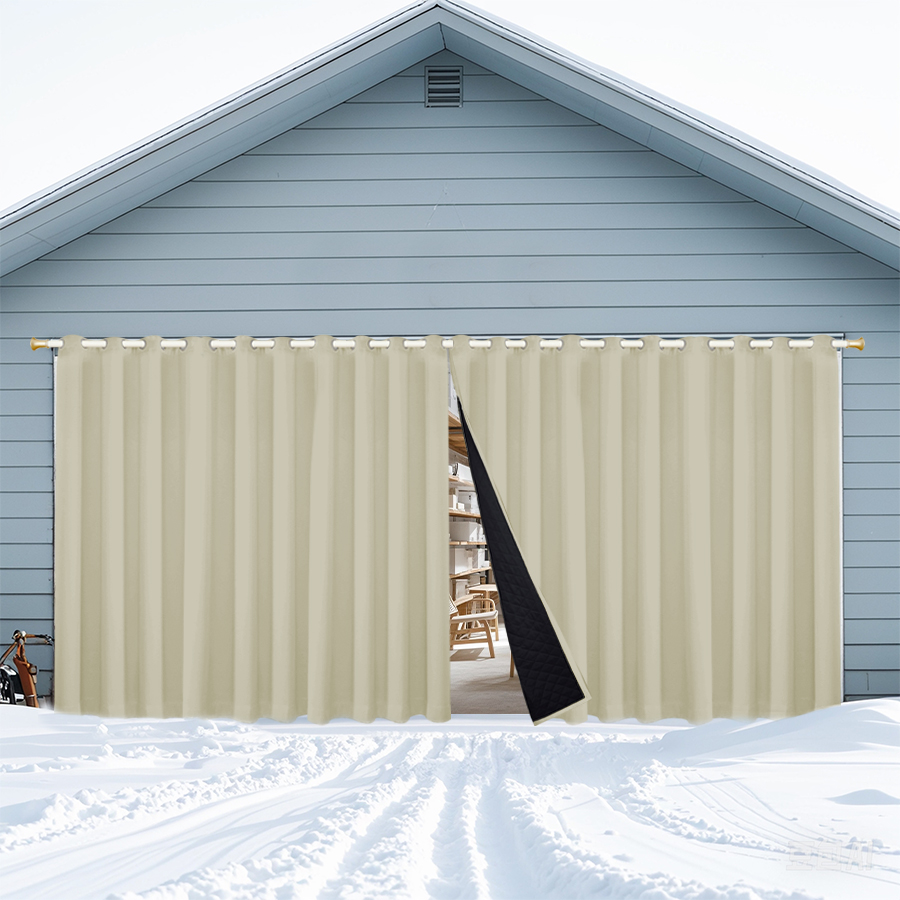
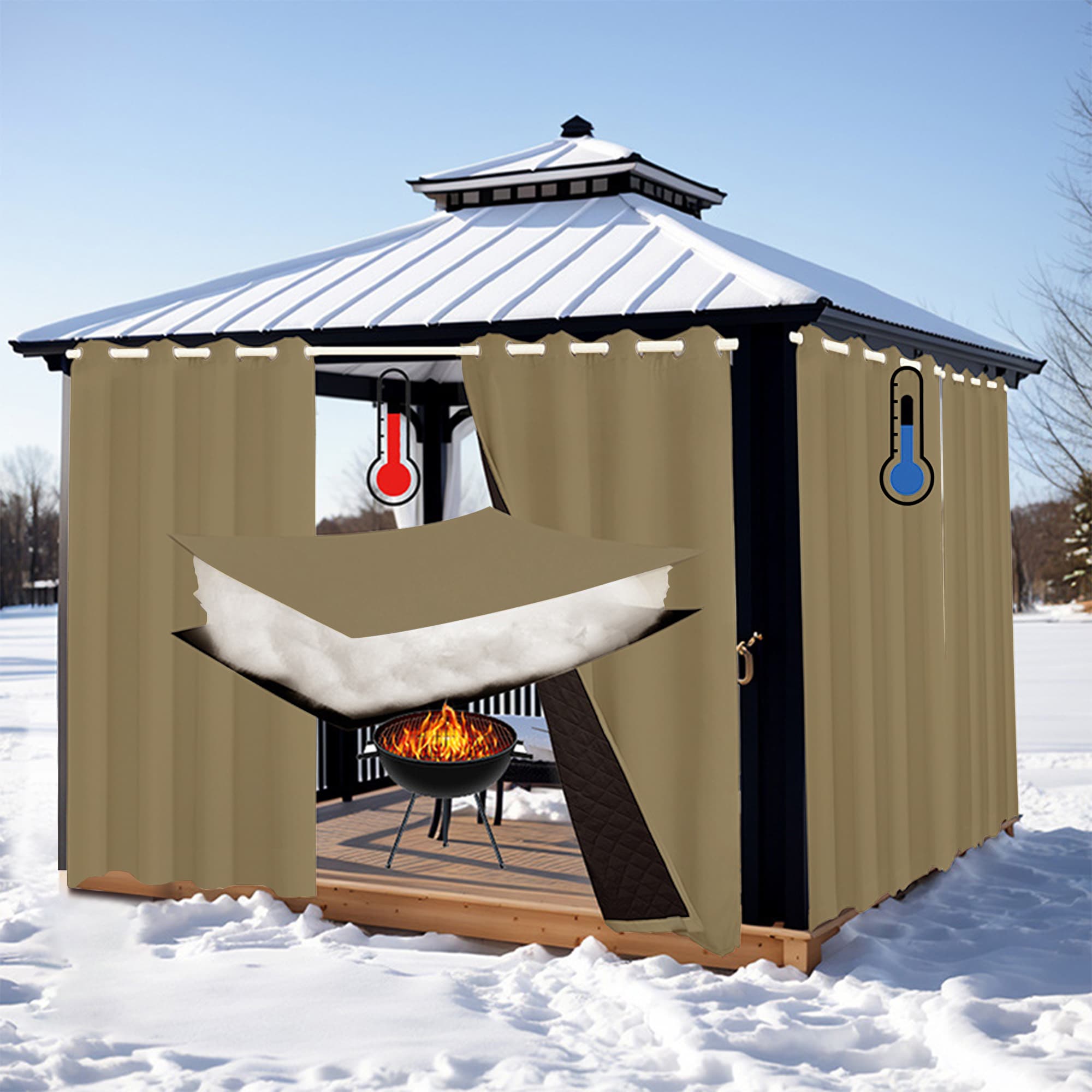
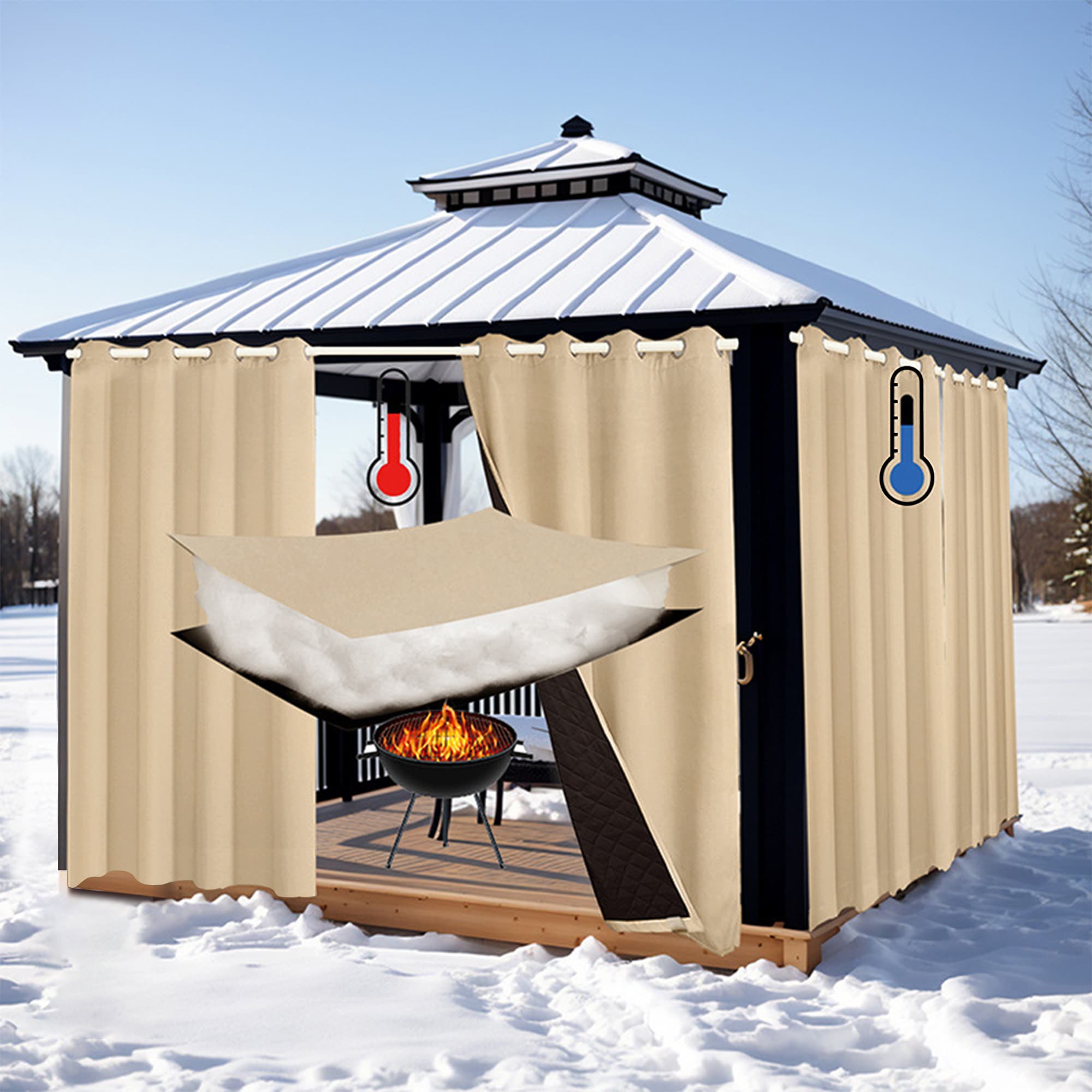
People searching for outdoor curtains to keep heat in are usually trying to make a covered porch, gazebo, patio, or pergola feel less exposed during cooler months. The useful expectation is modest and practical: a thoughtfully planned curtain layout can change how an open-sided space feels by reducing direct exposure at selected openings. It is not a substitute for a building envelope, a heat source, or a guaranteed temperature change.
Results depend on the site. The number and size of open sides, the direction of prevailing weather, the roof and frame, and how people use the space all matter. Treat insulated curtains for winter as one element of a seasonal plan, then evaluate fit and mounting before assuming a particular outcome.
Start with the opening, not the marketing term
Measure each opening separately. Record the clear width, the finished drop from the mounting line, the location of posts and rails, and any items that need to stay accessible. A single “gazebo size” or “patio size” rarely describes every side accurately. If an opening has an angled edge, a step, or a handrail, sketch it and note the limiting dimension.
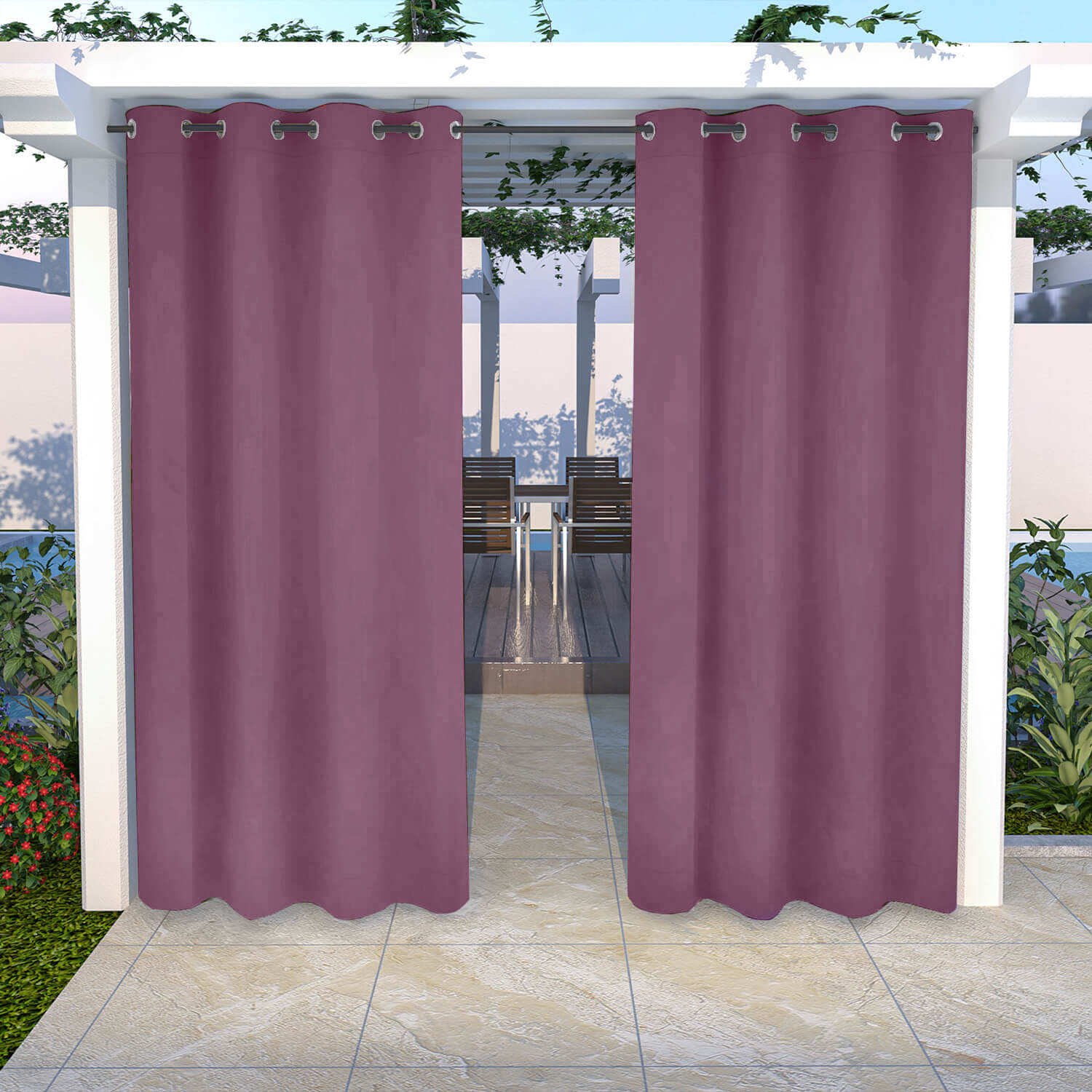
For a layout with more than one panel, plan where panels meet. A small overlap may help avoid a straight-through gap at the center, while a panel that is too wide can be difficult to move or secure. Also decide which opening will function as the everyday access point. That decision often affects the panel arrangement more than the fabric description does.
Fit and mounting influence the practical result
Outdoor winter curtains work as part of the opening only when the mounting method suits the structure. Before ordering, inspect the available support: a rod, track, hooks, fasteners, or another attachment method may have different spacing and load considerations. Confirm the current product-page guidance and the requirements for the hardware you plan to use; do not assume hardware is included or appropriate for every frame.
Pay attention to the top edge, side edges, and lower edge. A panel that hangs neatly but leaves large, unplanned gaps may not serve the same purpose as a layout that accounts for those edges. At the same time, curtains should not interfere with safe passage, egress, drainage, cooking equipment, or local requirements. Where the setup is uncertain, ask a qualified installer or property professional for site-specific advice.

A realistic planning checklist
- Define the use case: Is the goal to make a seating area feel less open, add seasonal separation, or manage a particular exposed side?
- Measure the actual mounting area: Include posts, brackets, trim, rails, and the usable height.
- Plan movement: Identify the access panel and decide how it will open, close, and be held out of the way.
- Check panel relationships: Note center joins, corners, overlap, and any intentional gaps.
- Verify current details: Review the selected product page for current options, dimensions, care information, and any stated hardware guidance.
How to compare panels without overpromising
| Question | Why it matters | What to verify |
|---|---|---|
| Which side is most exposed? | It helps prioritize where coverage may be most useful. | Opening width, frame condition, and safe mounting points. |
| Where will people enter? | Access affects panel placement and daily use. | Clearance, tie-back approach, and whether the path remains usable. |
| How will panels meet? | Joins and corners influence the finished layout. | Panel widths, overlap plan, and the actual opening geometry. |
| What is listed today? | Current options can change. | Sizes, configuration choices, care guidance, and hardware notes on the live page. |
Choose a product only after confirming the current listing
Snowcity’s insulated outdoor curtains collection is a starting point for comparing current panel options for covered outdoor spaces. For one live example, review the current Insulated Outdoor Curtains for Winter - Raven Black listing directly before ordering. Product-page information is the appropriate place to confirm the option that fits your opening and project requirements.
Indoor door curtains, sliding-door coverings, and blackout products are often discussed alongside outdoor curtains, but they are different use cases. Compare them only as categories; choose a panel based on the setting, mounting surface, and current product information rather than borrowing expectations from an indoor installation.
FAQ
What should a buyer measure before ordering?
Measure the usable mounting width and drop for each opening, then note posts, rails, corners, and the access route. A simple sketch makes it easier to compare panel options accurately.
How do panel fit, overlap, and mounting affect practical performance?
They shape the finished layout. Planned joins, supported mounting, and an accessible entry point can make a seasonal setup easier to use; the result still depends on the actual structure and conditions.
Which product claims should be verified on the current product page?
Verify the current panel options, dimensions, materials, care information, mounting or hardware guidance, price, and availability directly on the listing before making a purchase decision.
Plan for the space you actually have
Outdoor curtains can be a useful planning tool when the goal is clear and the installation is measured carefully. Begin with the openings, make an access plan, and keep expectations tied to the site rather than to a generic promise.
Explore the Snowcity insulated outdoor curtains collection, compare the current panel options, and confirm your dimensions before ordering.
Comment