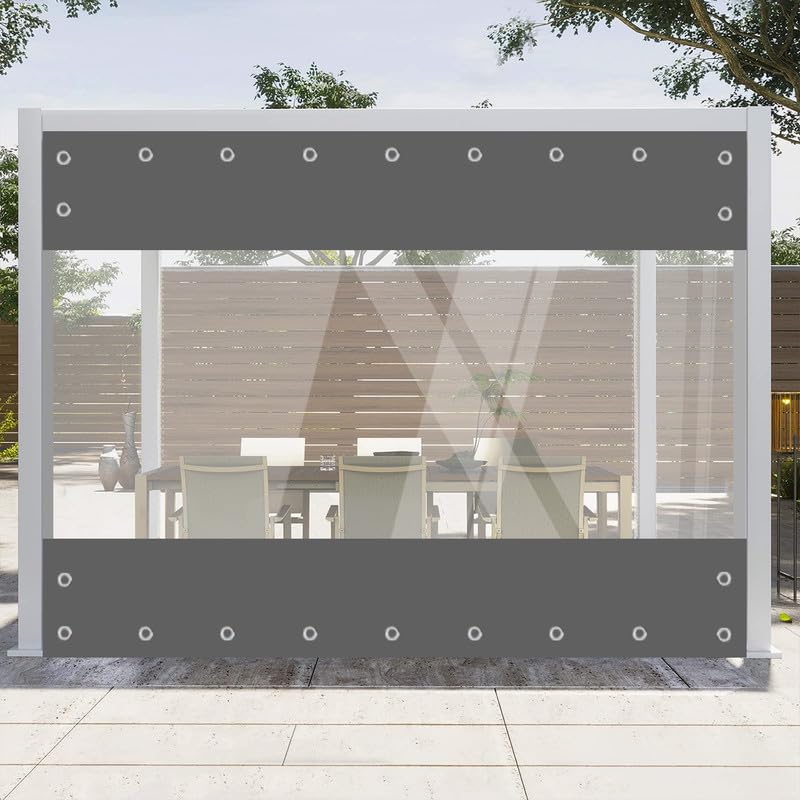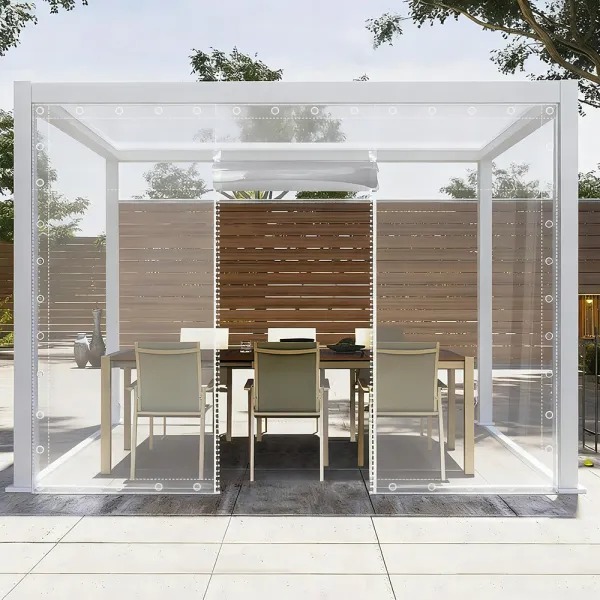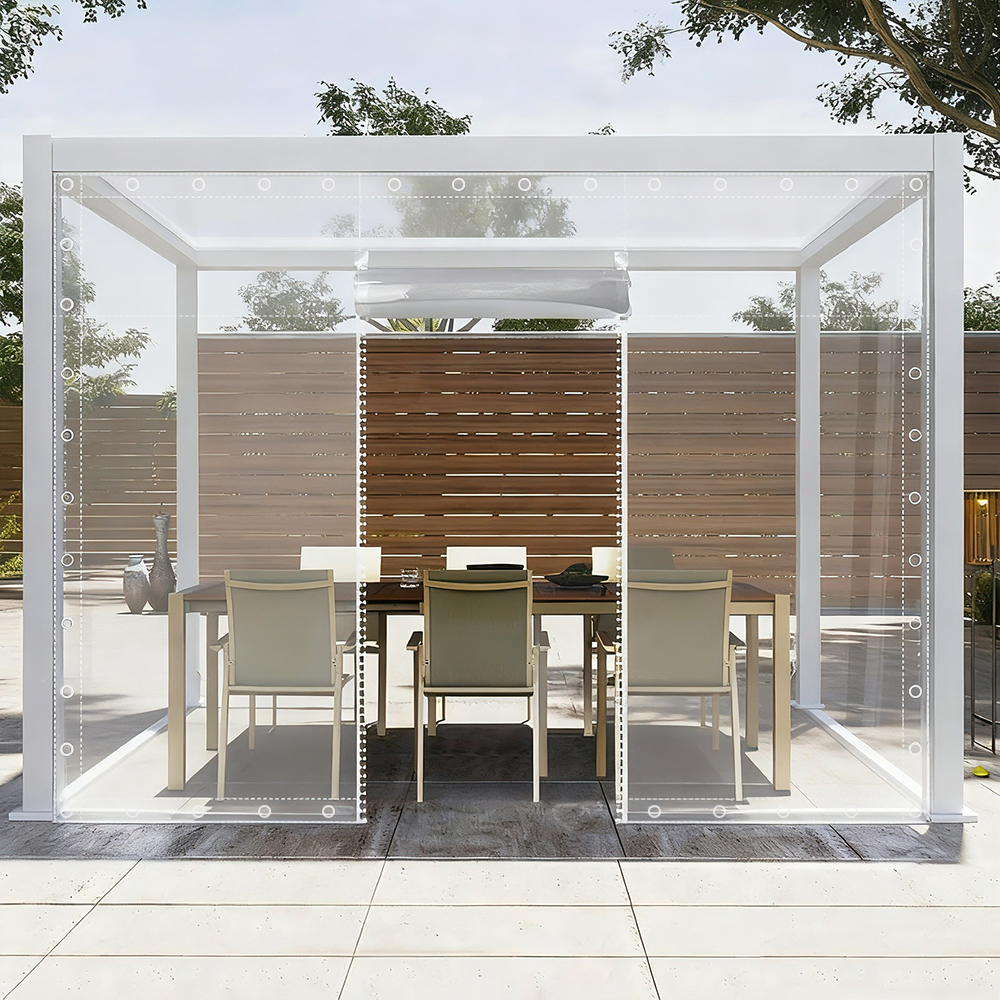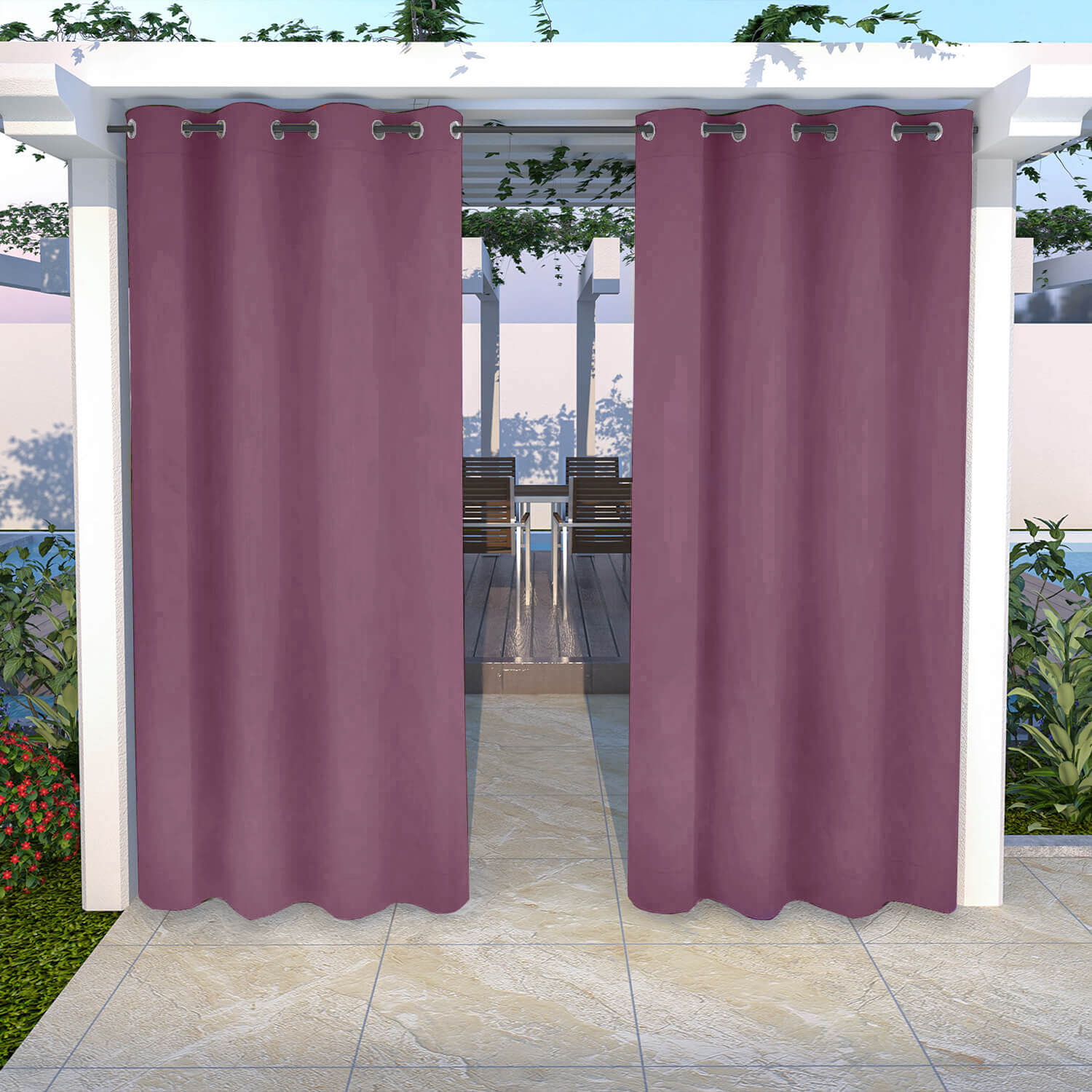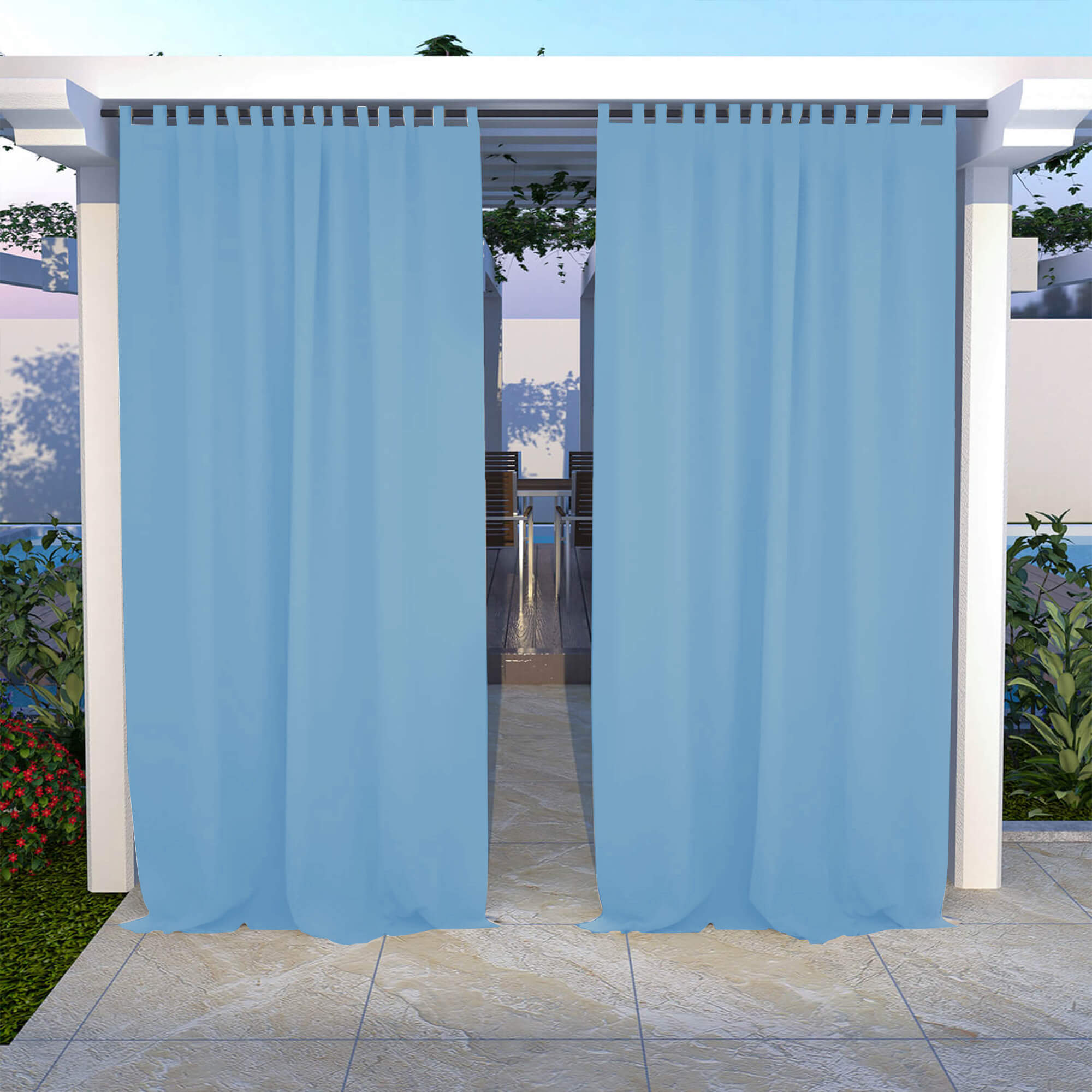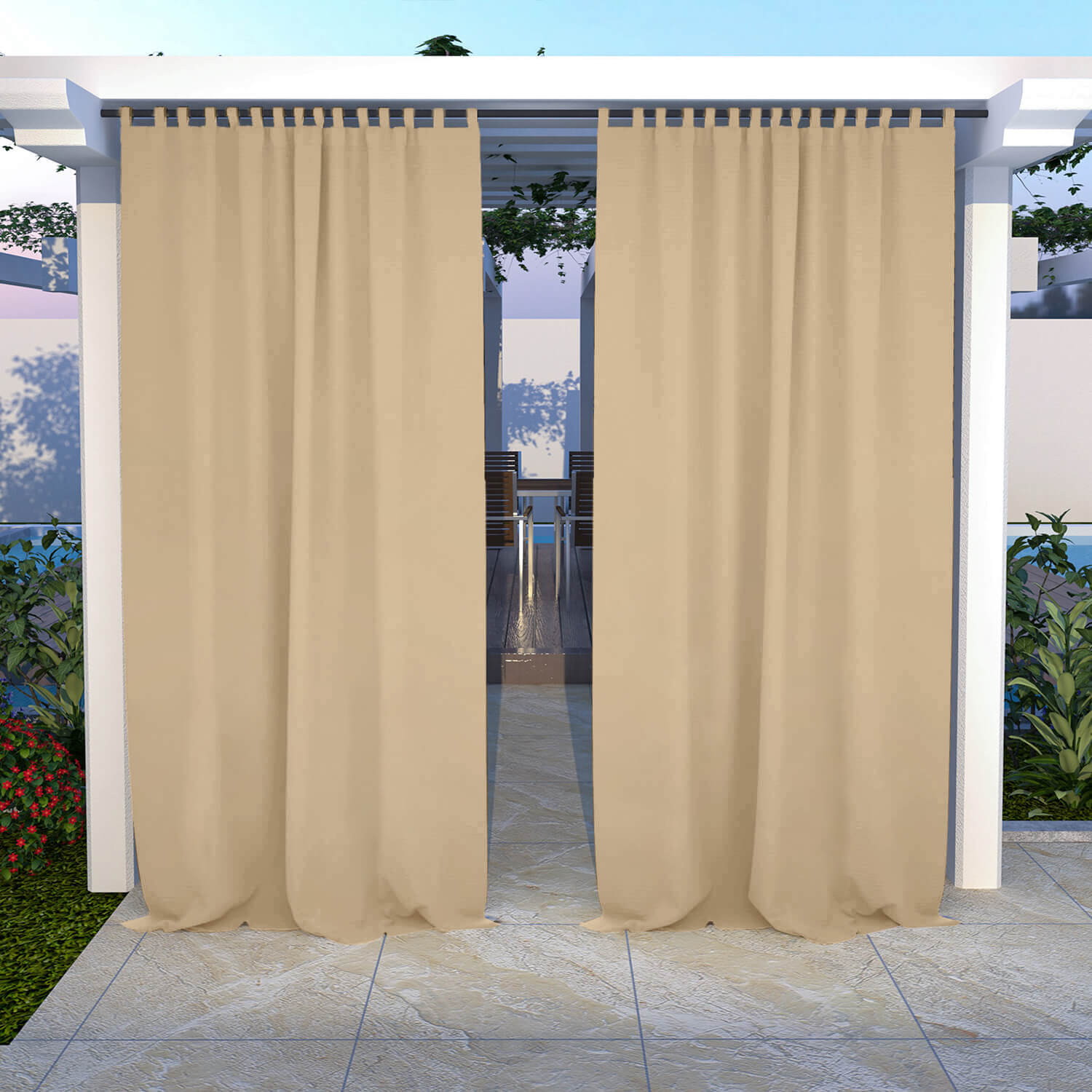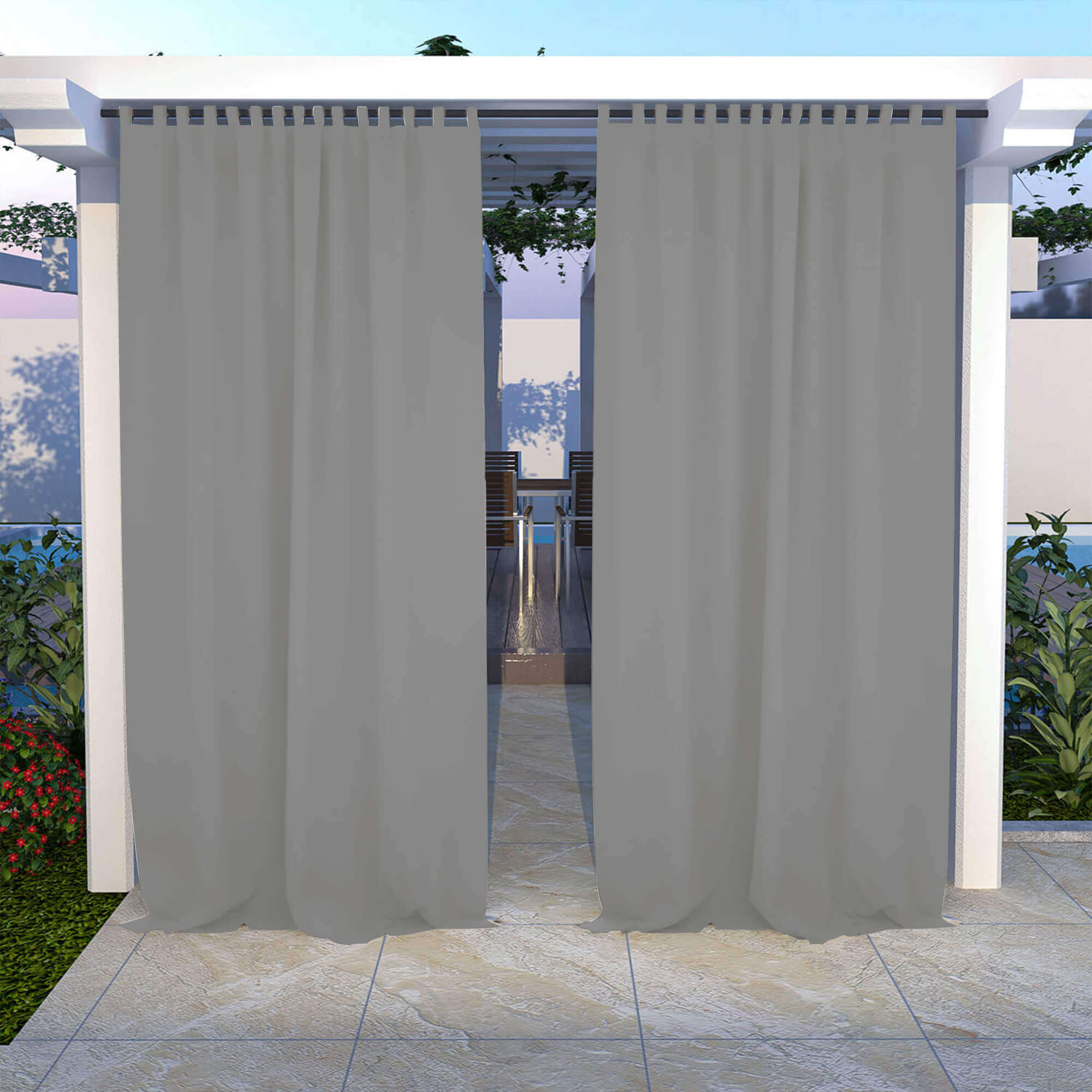
A gazebo can feel far less inviting in winter when cold air moves through the side openings. Gazebo winter curtains give you an adjustable layer of coverage: close a panel when the wind picks up, then open it when you want light and airflow. The best result comes from matching the curtain, hardware, and measurements to the structure instead of expecting fabric alone to create a sealed room.
What Makes Curtains Suitable for a Winter Gazebo?
Start with an outdoor-oriented panel that suits the exposure and the way your gazebo is built. Snowcity insulated outdoor curtains use a thermal cotton interlayer and are positioned for wind and everyday moisture exposure. A thicker panel across a sheltered opening can reduce the feeling of a direct draft and add privacy, but it cannot replace a permanent wall, a roof, or severe-weather protection.
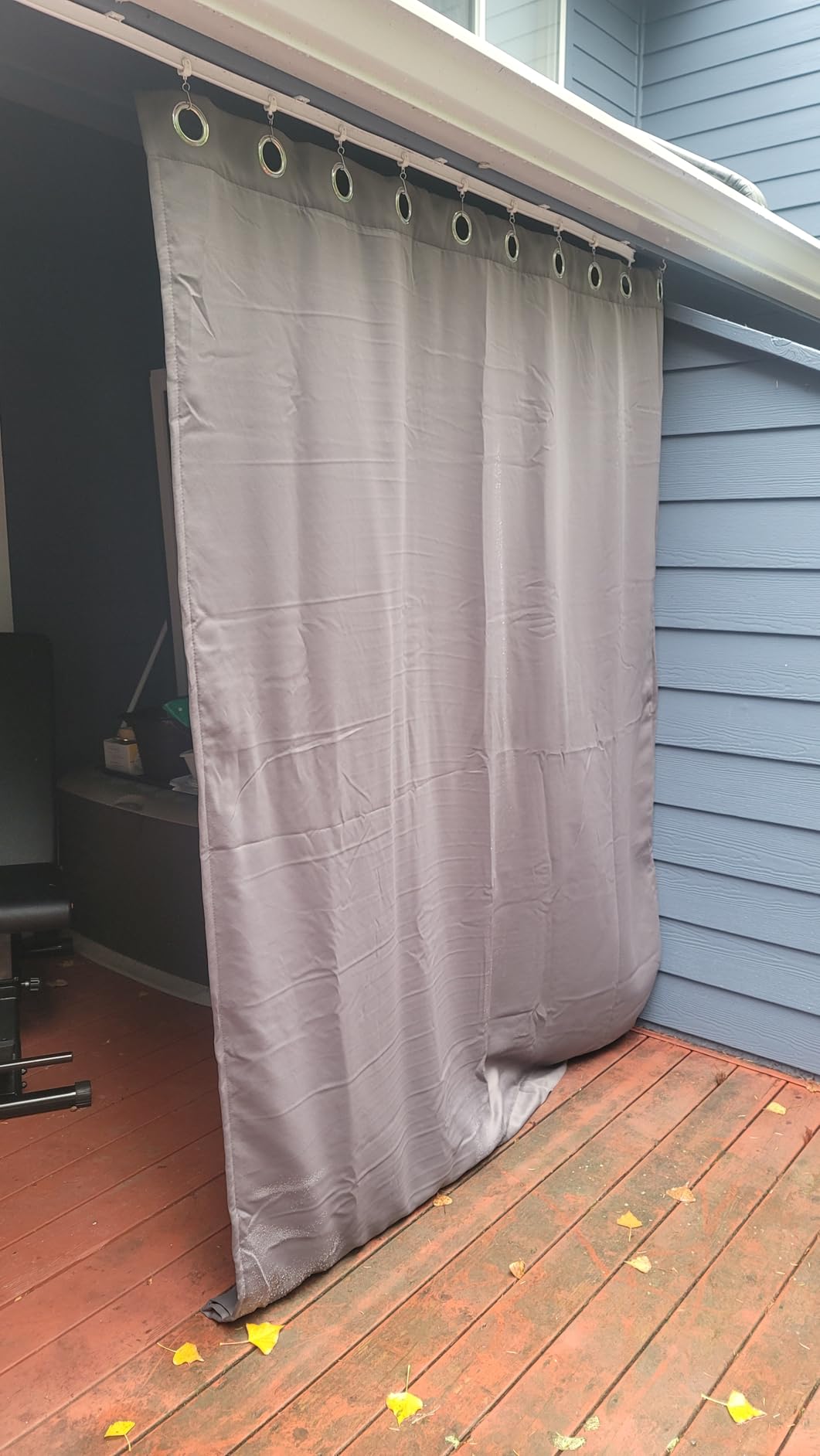
Look closely at the header, the panel weight, and the hardware connection. The Snowcity winter product offers Grommet Top, Grommet Top & Bottom, and Grommet Top & Bottom Perforated Tape options. Grommets can work well with a compatible rod or track; lower attachment points can be helpful when your installation needs additional restraint. Explore the Insulated Outdoor Curtains for Winter collection after you have identified your mounting method.
Insulated Fabric, Clear Panels, or Both?
Choose an insulated fabric panel when privacy, adjustable shade, and reduced direct airflow are the main goals. It is a practical option for a covered gazebo side where you can open, tie back, or secure the curtain as conditions change. Clear PVC-style panels may be useful where preserving a view and daylight matters most, but they have different mounting, condensation, and cleaning considerations.
Some gazebo layouts use both: a fabric panel on the most exposed or private side and a clear section where visibility is important. This is an installation decision, not a promise of a particular temperature change. Leave realistic gaps for drainage and operation, and do not treat either material as an airtight winter enclosure.
Measure Each Gazebo Opening Before Ordering
- Measure the width at the exact rod, track, or hook line—not only the distance between posts.
- Measure the finished height from installed hardware to the planned bottom edge.
- Note posts, railings, doors, lights, and furniture that affect where a panel can stack or close.
- Decide how much fullness you want so the curtain can gather without leaving unexpected gaps.
- Plan a small practical clearance above wet decking or ground to reduce abrasion and standing-water contact.
Snowcity's Measurement Method explains measuring the full pole length and using a 1.5–2 fullness ratio where appropriate. Measure every side separately: gazebo openings that look alike can vary once posts, roof angles, and hardware positions are included.
Reduce Side Gaps and Bottom Movement
The fit around the edges matters as much as the fabric. Place the rod or track where the panel can overlap the opening and use enough width for the coverage you need. For a divided side, consider overlapping panels rather than stopping two edges at the exact center. A sound mounting surface, outdoor-suitable fasteners, and hardware rated for the panel weight are essential.
At the bottom, avoid allowing fabric to drag continuously on a wet deck. Depending on the configuration, bottom grommets or other lower attachment points can help limit movement. Tiebacks, magnetic attachment, Velcro connection, or a zipper can be useful custom details when they solve a specific layout issue. In strong or severe weather, follow local guidance and secure, tie back, or remove fabric panels as appropriate for the hardware.
When Custom Sizing Helps
Custom sizing is worth considering for unusually wide or tall sides, openings interrupted by posts, or a setup that needs a PVC vision window, zipper, magnetic attachment, or Velcro connection. Standard sizes can be a simpler choice when they fit the measured opening and your hardware plan. Customization works best when it follows a complete measurement sheet rather than a rough estimate.
For product details and standard-size options, see the Snowcity Light Beige insulated outdoor curtain. Share your finished opening measurements and the intended attachment method when asking about a non-standard configuration.
A Practical Winter Gazebo Setup
Gazebo winter curtains are most useful as a flexible outer layer for a sheltered space: they can add privacy and make wind exposure feel more manageable while preserving the option to open the sides. Choose the header and dimensions around the actual structure, give the panel a secure mounting plan, and keep expectations grounded in the weather and the unavoidable openings around a fabric system.
Build a warmer gazebo setup with Snowcity insulated outdoor curtains. Browse the winter insulated outdoor curtain collection and select a size or custom configuration based on your measured gazebo openings.
Frequently Asked Questions
Do insulated gazebo curtains keep a gazebo warm?
They can add a thermal fabric layer and reduce a direct draft across a sheltered side. Comfort depends on the roof, gaps, wind direction, and installation; fabric panels do not create a sealed, heated room.
How wide should gazebo winter curtains be?
Measure at the installed hardware line and allow the fullness needed for the curtain style. For multiple panels, plan overlap at the meeting edges and account for posts or other obstructions.
Can I use a standard size for a gazebo?
Yes, when the standard panel fits the measured opening and hardware plan. Custom sizing is useful for irregular, unusually large, or feature-specific installations.