Exterior Thermal Curtains: When They Make Sense Outdoors
Aug 28,2026 | Snowcity
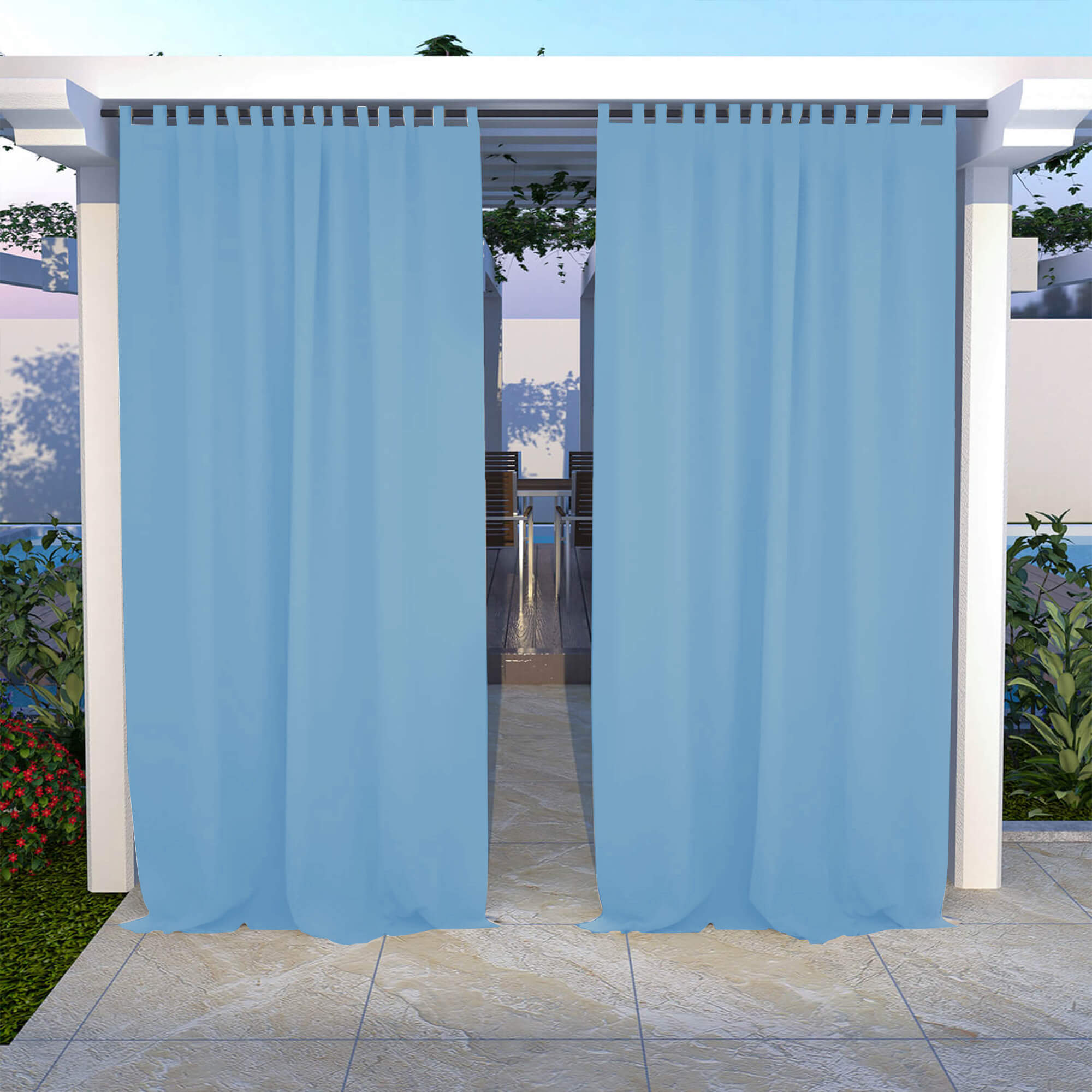
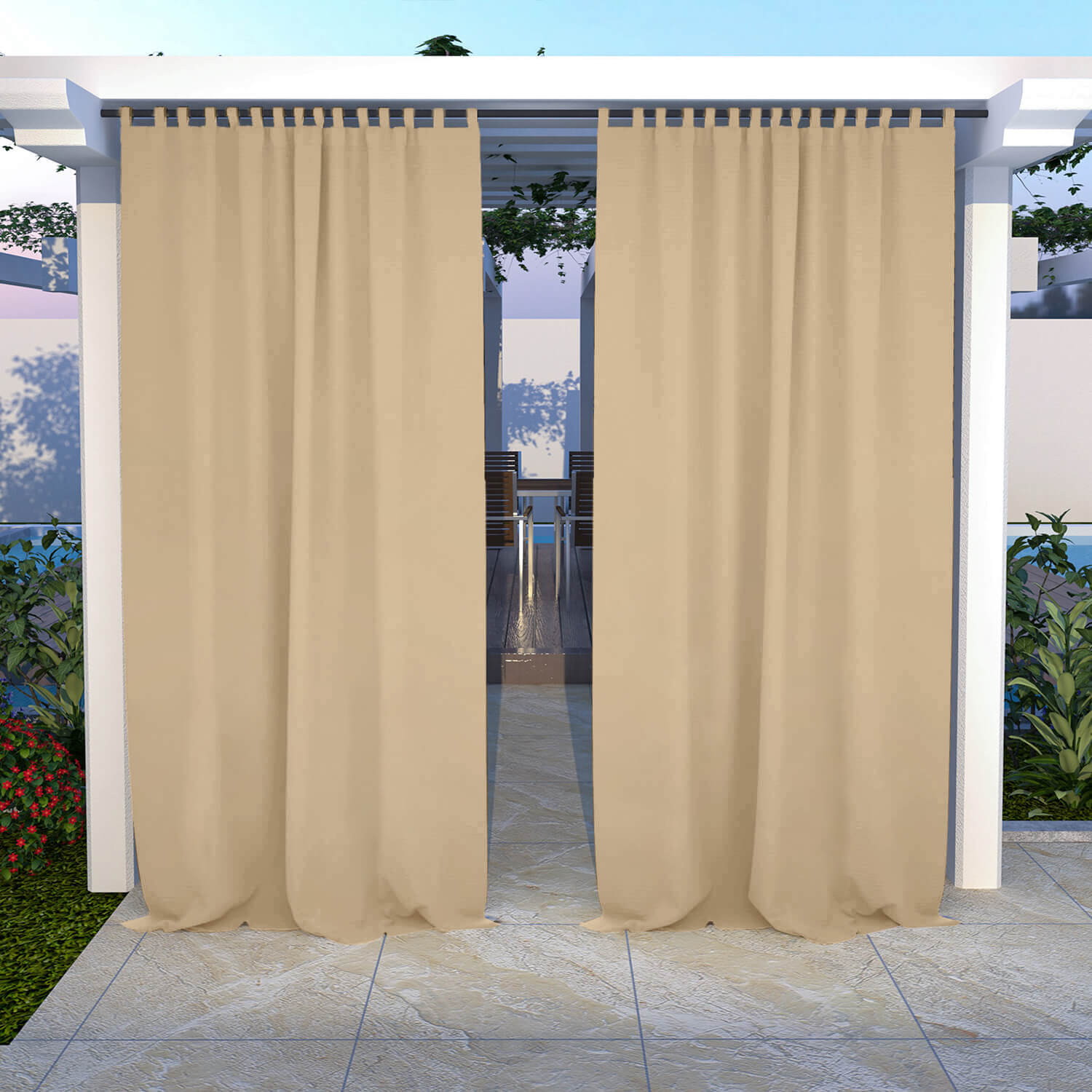
Exterior thermal curtains are fabric panels made for an opening that is exposed to outdoor conditions, such as a covered patio, porch, gazebo, garage bay, or pergola. In winter, they can add a flexible layer at the open side of a structure, helping reduce direct wind and making the space feel less exposed. They are not a replacement for a fully insulated wall, weatherproof construction, or safe heating.
For winter-ready choices, browse Snowcity’s Insulated Outdoor Curtains for Winter collection. The most useful option is the one that fits the actual opening, its mounting points, and the way the space will be used from day to day.
What are exterior thermal curtains?
Exterior thermal curtains are intended for use at outdoor or semi-outdoor openings rather than only in front of an indoor window. They typically combine a substantial curtain construction with outdoor-oriented attachment choices, so the panel can be hung from a rod, track, hooks, or grommets on an existing frame. A thermal layer can help the curtain act as part of a barrier between a covered area and cold moving air.
The result depends on the whole installation. A panel with gaps at the sides, a large gap at the bottom, or an unsecured center split will still allow wind through. Think of the curtain as one part of a measured, mounted system—not as a guarantee of a particular indoor temperature.
How they differ from indoor thermal drapes
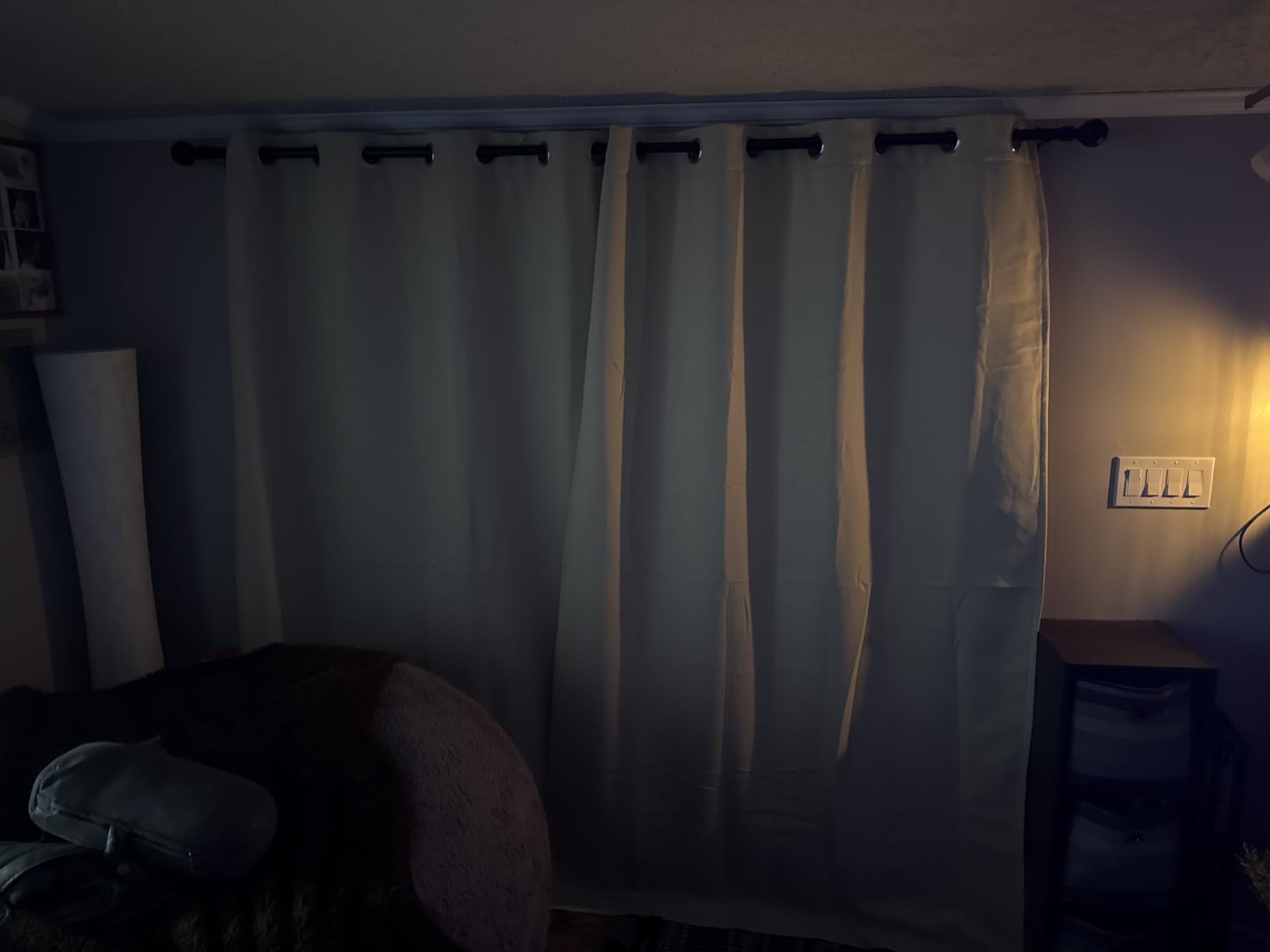
Indoor thermal drapes are commonly selected for a dry interior window and may focus on light control, decoration, and comfort near glass. Exterior thermal curtains need to suit a different setting: changing weather, larger openings, wind movement, and exterior hardware. Before using a panel outside, check that its materials, mounting method, care instructions, and location are appropriate for outdoor exposure.
Outdoor openings also need more planning around coverage. Two panels may need overlap where they meet, and a wide opening may need several sections. Weight, top style, and the strength of the mounting surface all matter when the curtain will be opened, closed, or tied back regularly.
Where exterior thermal curtains make sense
They are most practical where a structure already provides a clear frame or protected top but has one or more open sides. Common examples include:
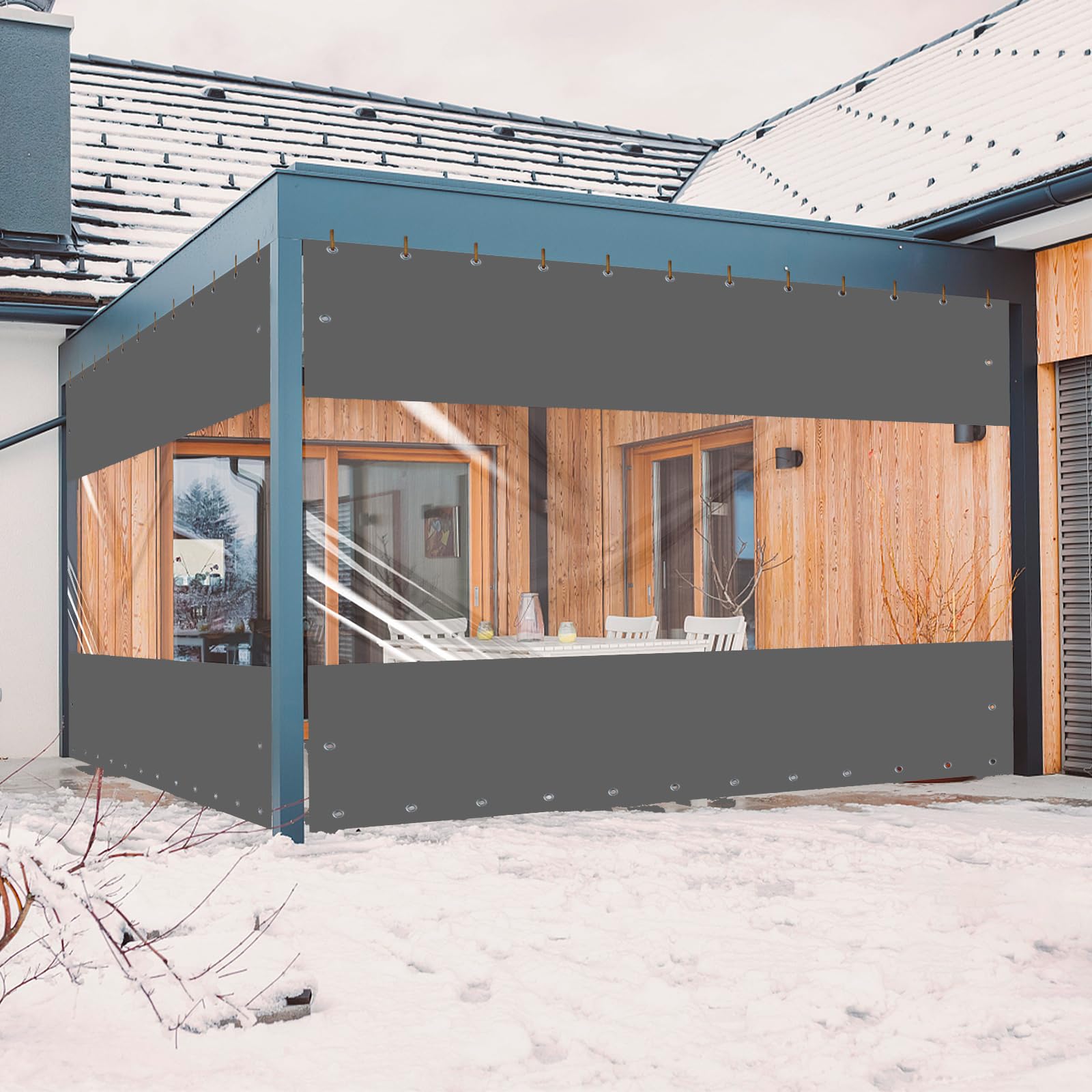
- Covered patios and porches: create a more sheltered perimeter while keeping the option to open the panels.
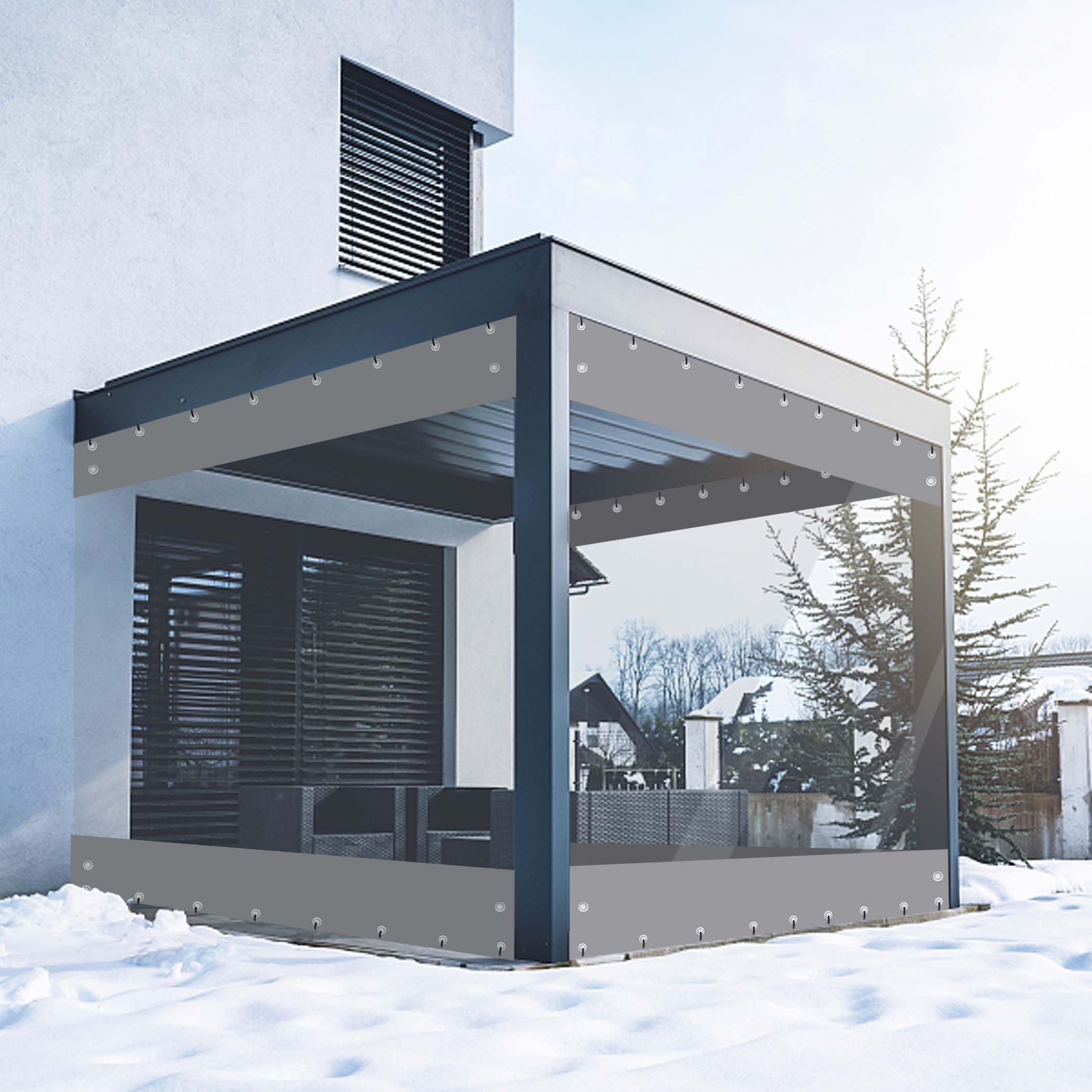
- Gazebos and pergolas: cover selected sides when posts, rails, or a suitable header provide secure mounting points.
- Balconies: manage wind and privacy only where building rules and safe attachment allow it.
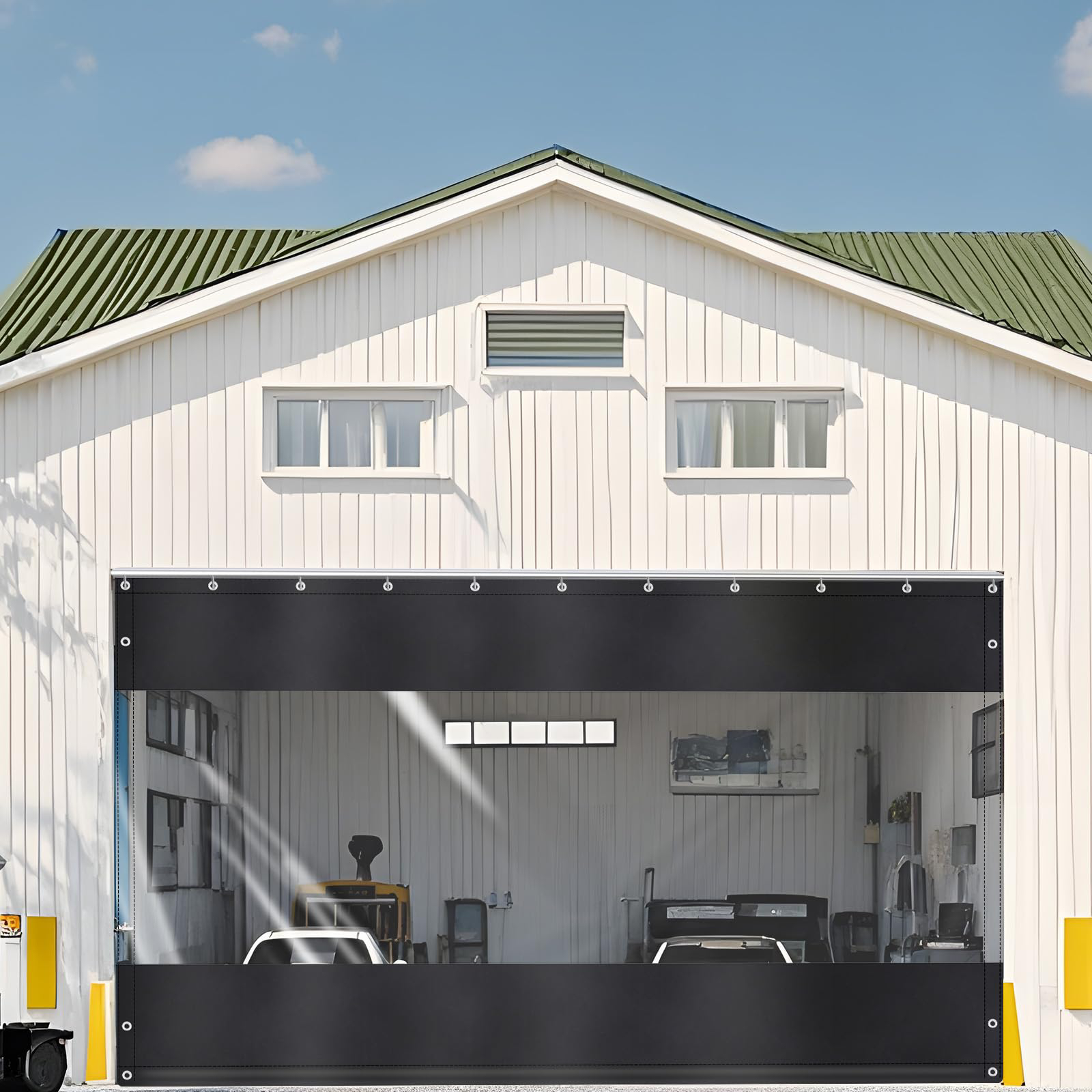
- Garages, workshops, and commercial bays: use measured panels for an opening when clearance, ventilation, and daily access have been considered.
For severe weather, follow the guidance for both the structure and the curtain. A removable fabric panel should be secured or removed when its manufacturer recommends that action.
Attachment choices that help control drafts
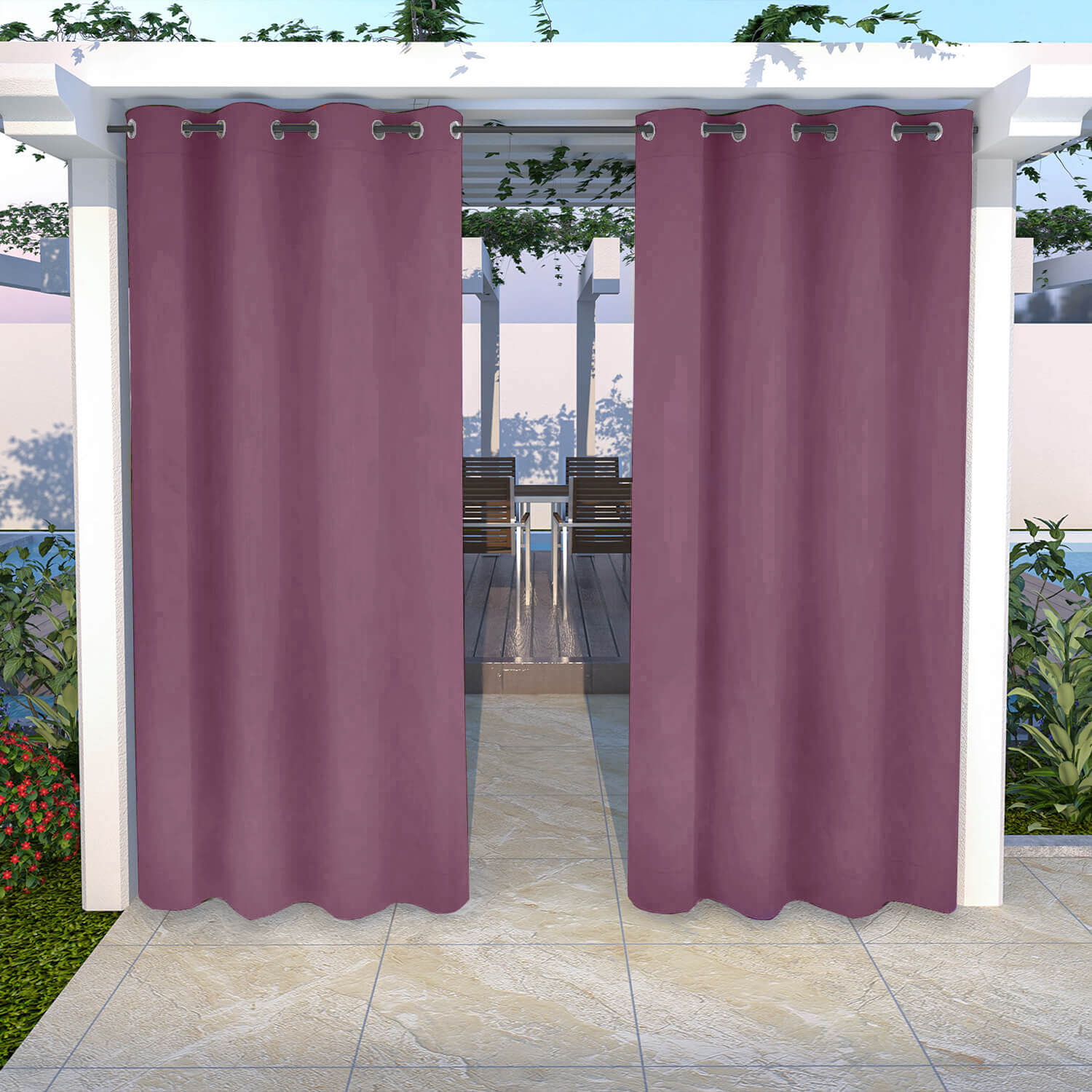
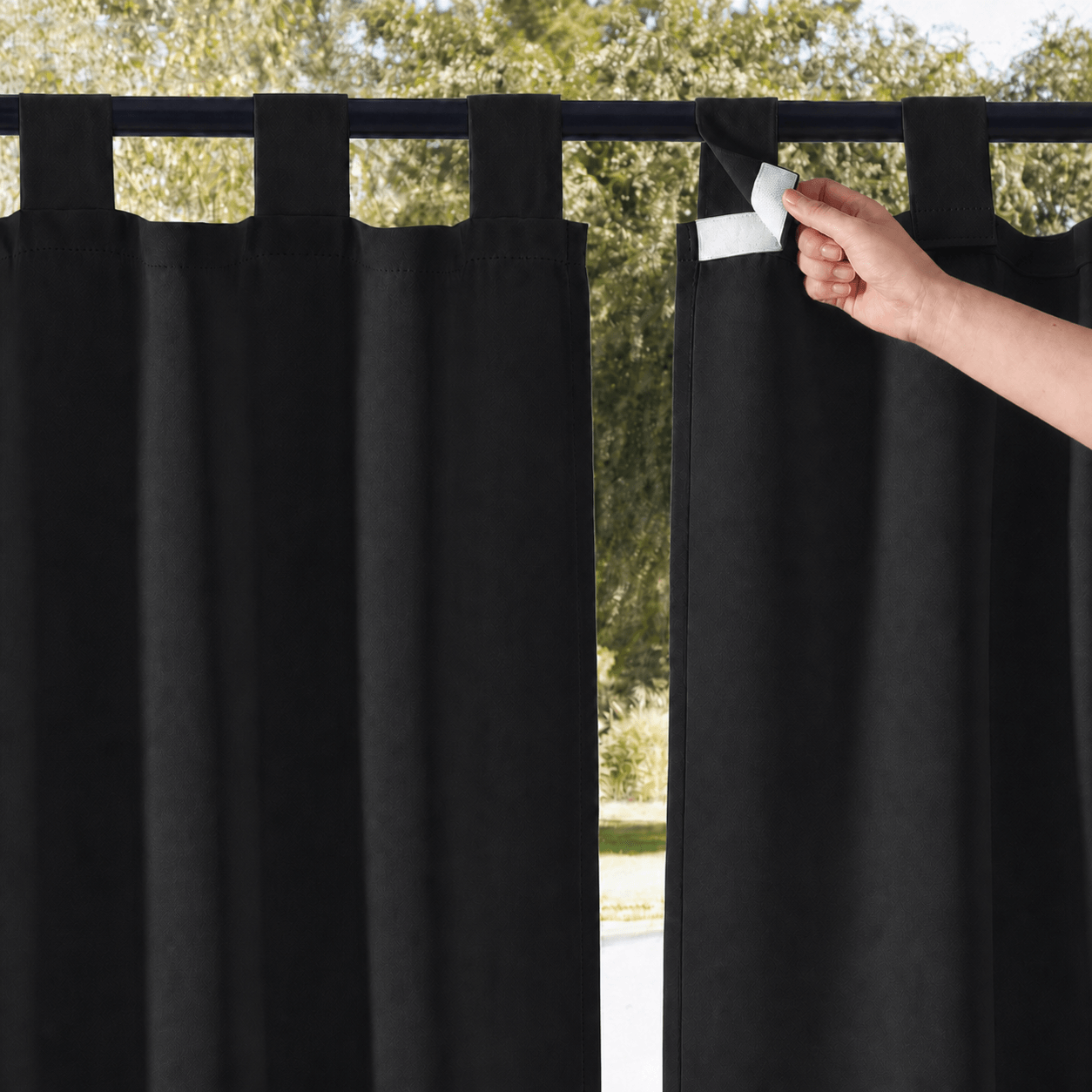
A secure attachment helps a curtain stay where it is intended to be, but no attachment method makes every opening airtight. Grommets can work well with a compatible exterior rod. Bottom grommets or other lower attachment points may help limit movement where the site and product design support them. For custom projects, a zipper, magnetic attachment, Velcro connection, or a vision window may be options worth discussing based on the opening and access needs.
Start with an accurate measurement: width between the finished mounting points, height from the installed header, and any obstacles such as railings, steps, or trim. Plan for panel overlap and a sensible bottom clearance so the fabric does not drag in standing water or collect debris.
Material, water exposure, and wind
For an outdoor location, look for materials and construction that are positioned for outdoor use, and review the current product details before ordering. Snowcity’s winter insulated curtain range is described as thermal insulated, windproof, and waterproof, with grommet-top options and custom solutions. Those features can be useful for an exposed covered opening, but site conditions still matter: wind direction, roof coverage, drainage, and hardware determine how a curtain performs in use.
Waterproof or water-resistant claims should be read alongside practical installation. A curtain cannot correct a leaking roof, poor drainage, or an opening where wind-driven rain reaches every edge. Keep safe clearances around heaters and never use fabric to enclose a heat source.
A Snowcity option for outdoor winter openings
The Snowcity Light Beige Insulated Outdoor Curtain is worth considering for a patio, porch, gazebo, or similar opening when its current size, style, and custom options match your project. The product page lists thermal insulation, windproof and waterproof positioning, grommet styles, and custom sizing; confirm live availability and care guidance before purchase.
Explore exterior thermal curtain options from Snowcity.
Frequently asked questions
Do exterior thermal curtains keep an outdoor space warm?
They can reduce direct wind and help a covered area feel less exposed when they are sized and secured correctly. They do not create the same conditions as a permanently insulated room.
Can I use indoor thermal curtains outside?
Only use a curtain outdoors when its product information and care guidance support that use. Indoor drapes may not be designed for exterior moisture, wind, or mounting conditions.
How do I choose the right width?
Measure the finished opening and allow room for overlap where panels meet. Include posts, hardware, and the space needed to slide or tie back the curtain.
Are exterior thermal curtains suitable around a heater?
Only if all heater clearance, ventilation, and operating requirements are met. Keep curtains and tiebacks outside required clearances and do not enclose a heat source.
Comment